Advocacy for Oromia: Promoting Oromo Rights
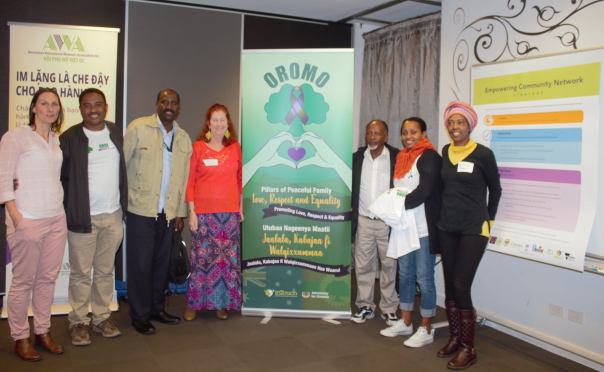
General Overview of Advocacy for Oromia’s Activities
Advocacy for Oromia is likely engaged in a range of activities aimed at promoting the rights, culture, and self-determination of the Oromo people. Here’s a breakdown of what such organizations typically do:
1. Raising Awareness
- Public Campaigns: Advocacy for Oromia likely runs campaigns to raise awareness about the Oromo struggle, including human rights violations, land dispossession, and political marginalization.
- Media Engagement: They may use social media, websites, and traditional media to share stories, reports, and updates about the Oromo people’s situation.
2. Human Rights Advocacy
- Documenting Abuses: The organization may document and report human rights violations against the Oromo people, including extrajudicial killings, arrests, and displacement.
- Engaging International Bodies: They likely work with organizations like the United Nations, African Union, and human rights groups to advocate for justice and accountability.
3. Cultural Preservation
- Promoting Oromo Culture: Advocacy for Oromia may organize events, workshops, and publications to celebrate and preserve Oromo language, traditions, and history.
- Supporting Cultural Institutions: They might support initiatives like Oromo language education, cultural festivals (e.g., Irreecha), and artistic expressions.
4. Political Advocacy
- Lobbying for Self-Determination: The organization likely advocates for the Oromo people’s right to self-determination, as enshrined in the Ethiopian Constitution.
- Engaging Policymakers: They may work with governments, international organizations, and policymakers to push for political reforms and recognition of Oromo rights.
5. Supporting Grassroots Movements
- Empowering Local Communities: Advocacy for Oromia might support grassroots initiatives, such as community organizing, youth empowerment, and women’s rights programs.
- Providing Resources: They may offer resources, training, and funding to local activists and organizations working on the ground.
6. Humanitarian Assistance
- Aid for Displaced Persons: The organization may provide support to Oromo refugees and internally displaced persons (IDPs), including food, shelter, and medical care.
- Crisis Response: They might mobilize resources during emergencies, such as natural disasters or conflicts, to assist affected Oromo communities.
7. Legal Advocacy
- Supporting Political Prisoners: Advocacy for Oromia may work to secure the release of Oromo political prisoners and provide legal assistance to those facing persecution.
- Challenging Injustices: They might engage in legal battles to challenge discriminatory policies or practices that affect the Oromo people.
8. Building International Solidarity
- Diaspora Engagement: The organization likely works with the Oromo diaspora to mobilize support, resources, and advocacy efforts.
- Alliances with Other Groups: They may collaborate with other marginalized communities and human rights organizations to build a broader movement for justice and equality.
9. Educational Initiatives
- Workshops and Seminars: Advocacy for Oromia might organize educational programs to inform the public about Oromo history, culture, and current issues.
- Publications: They may produce reports, articles, and books to document the Oromo struggle and share it with a wider audience.
10. Promoting Peace and Reconciliation
- Conflict Resolution: The organization may work to mediate conflicts within the Oromo community or between the Oromo and other ethnic groups.
- Advocating for Dialogue: They likely promote dialogue and reconciliation as a means to achieve lasting peace and justice.
How to Get Updated Information
To get the most accurate and up-to-date information about Advocacy for Oromia’s current activities, consider the following steps:
- Visit Their Website: Check if Advocacy for Oromia has an official website with news, updates, and reports.
- Follow Their Social Media: Look for their accounts on platforms like Twitter, Facebook, or Instagram for real-time updates.
- Contact the Organization: Reach out directly to Advocacy for Oromia via email or other contact methods for detailed information.
- Check News Outlets: Look for coverage in Ethiopian or international media outlets that focus on Oromo issues.
Conclusion
Advocacy for Oromia is likely engaged in a wide range of activities to support the Oromo people’s struggle for justice, equality, and self-determination. From raising awareness and advocating for human rights to preserving culture and supporting grassroots movements, their work is vital to the Oromo community. For the most current information, I recommend checking their official channels or reaching out to them directly. Let me know if you’d like further assistance!




 Advocacy for Oromia