Advocating for Oromo Rights: A Path to Justice
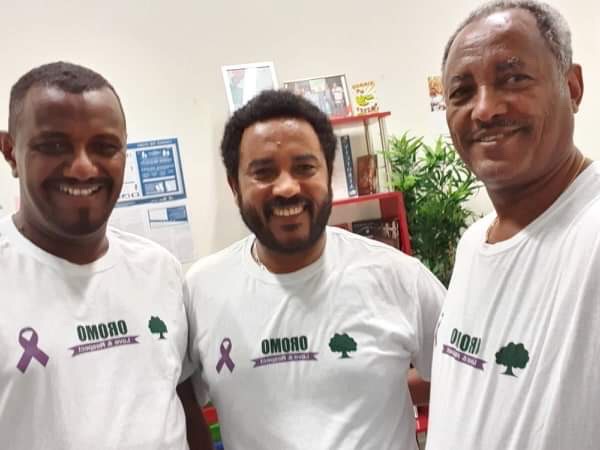
The concerns you raise about the Oromo struggle, the Ethiopian political landscape, and the need to restore the truth of the Oromo are deeply important. The Oromo people, as the largest ethnic group in Ethiopia, have long faced systemic marginalization, oppression, and erasure of their history, culture, and political rights. To address these issues and rebuild a peaceful and better Oromia, it is crucial to focus on truth-seeking, unity, strategic advocacy, and empowerment. Below are some key steps and strategies to achieve these goals:
1. Truth-Seeking and Historical Restoration
- Document Oromo History: Write and publish books, articles, and research that accurately document Oromo history, culture, and contributions to Ethiopia and the Horn of Africa. This includes highlighting the Gadaa system, Waaqeffannaa, and the Oromo’s role in shaping the region.
- Counter False Narratives: Actively challenge and debunk false narratives propagated by Ethiopian elites that erase or distort Oromo history and demands.
- Oral History Projects: Collect and preserve oral histories from Oromo elders, scholars, and community leaders to ensure that the Oromo narrative is passed down to future generations.
2. Unity and Solidarity
- Strengthen Oromo Unity: Foster unity among the Oromo people across different regions, religions, and political affiliations. A united Oromo front is essential for achieving collective goals.
- Build Alliances: Form alliances with other marginalized groups in Ethiopia who share similar struggles for justice, equality, and self-determination.
- Global Oromo Solidarity: Engage the Oromo diaspora to amplify the Oromo struggle on the global stage and mobilize resources and support.
3. Strategic Advocacy and Political Engagement
- Demand Inclusive Governance: Advocate for a political system that ensures Oromo representation and addresses Oromo demands for self-determination, justice, and equality.
- Engage in Peaceful Protests: Organize peaceful demonstrations, campaigns, and advocacy efforts to draw attention to Oromo issues and hold the government accountable.
- Leverage International Platforms: Use international platforms like the United Nations, African Union, and human rights organizations to highlight the Oromo struggle and seek support.
4. Empowerment Through Education and Economic Development
- Promote Oromo Education: Establish schools, universities, and cultural centers that teach Oromo history, language (Afaan Oromoo), and traditions.
- Economic Empowerment: Support Oromo-led businesses, cooperatives, and development projects to strengthen the economic foundation of Oromia.
- Youth and Women Empowerment: Invest in programs that empower Oromo youth and women, as they are critical to the future of the Oromo struggle.
5. Justice and Accountability
- Demand Justice for Past Crimes: Advocate for accountability for crimes committed against the Oromo people, including massacres, land dispossession, and cultural erasure.
- Legal Advocacy: Use legal avenues to challenge discriminatory policies and practices that marginalize the Oromo people.
- Truth and Reconciliation: Push for a truth and reconciliation process that addresses historical injustices and promotes healing.
6. Cultural Revival and Preservation
- Revive Oromo Culture: Promote Oromo cultural practices, such as Irreecha (thanksgiving festival), Gadaa ceremonies, and traditional arts and music.
- Language Preservation: Ensure that Afaan Oromoo is widely spoken, taught, and used in official capacities.
- Cultural Institutions: Establish museums, libraries, and cultural centers dedicated to preserving and celebrating Oromo heritage.
7. Building a Peaceful and Better Oromia
- Promote Peace and Reconciliation: Work towards resolving internal conflicts within Oromia and fostering unity among diverse communities.
- Good Governance: Advocate for transparent, accountable, and inclusive governance in Oromia that serves the interests of all Oromo people.
- Sustainable Development: Focus on sustainable development projects that improve infrastructure, healthcare, education, and livelihoods in Oromia.
8. Understanding and Countering Conspiracies
- Raise Awareness: Educate the Oromo people about the historical and ongoing conspiracies to weaken their struggle and erase their identity.
- Critical Thinking: Encourage critical thinking and analysis of political narratives and actions that undermine Oromo rights.
- Resist Divide-and-Rule Tactics: Be vigilant against efforts to divide the Oromo along religious, regional, or political lines.
9. Global Advocacy and Solidarity
- Engage the International Community: Build relationships with global human rights organizations, governments, and media to highlight the Oromo struggle.
- Diaspora Involvement: Mobilize the Oromo diaspora to advocate for Oromo rights, provide financial support, and share the Oromo narrative globally.
10. Long-Term Vision for Oromia
- Self-Determination: Continue to advocate for the right to self-determination, whether within a reformed Ethiopian federation or as an independent state, based on the will of the Oromo people.
- Inclusive Democracy: Build a democratic Oromia that respects the rights of all its citizens, regardless of ethnicity, religion, or gender.
- Sustainable Peace: Work towards a peaceful Oromia where justice, equality, and prosperity are accessible to all.
Conclusion
The Oromo struggle is a fight for truth, justice, equality, and self-determination. To restore the truth of the Oromo and rebuild a peaceful and better Oromia, the Oromo people must unite, empower themselves, and strategically advocate for their rights. By preserving their culture, demanding accountability, and building alliances, the Oromo can overcome the conspiracies against them and create a future where their demands are fully addressed. The journey is challenging, but with resilience, unity, and a clear vision, the Oromo people can achieve their goals.
#OromoStruggle
#JusticeForOromo
#OromiaShallBeFree




 Advocacy for Oromia