Claiming Oromo Truth: Strategies for Recognition and Rights
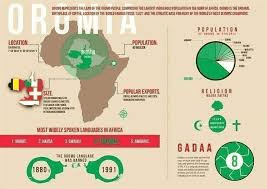
The Oromo people, the largest ethnic group in Ethiopia, have a long history of struggle for recognition, equality, and self-determination. Claiming the “Oromo truth” involves acknowledging and addressing historical injustices, advocating for cultural and political rights, and ensuring the Oromo voice is heard in national and international discourse. Below are some key aspects of how the Oromo truth can be claimed:
1. Historical Awareness and Education
Acknowledge History: Recognize the historical marginalization of the Oromo people, including the conquest and incorporation of Oromo territories into the Ethiopian Empire during the late 19th century under Menelik II.
Promote Oromo History: Educate people about Oromo history, culture, and contributions to Ethiopia and the Horn of Africa. This includes the Gadaa system, a traditional democratic governance system of the Oromo.
2. Cultural Preservation and Revival
Language and Identity: Promote the use of the Oromo language (Afaan Oromo) in education, media, and government. Language is a key part of cultural identity.
Cultural Practices: Revive and celebrate Oromo cultural practices, such as the Gadaa system, Irreecha (thanksgiving festival), and other traditions that have been suppressed or marginalized.
3. Political Representation and Self-Determination
Political Inclusion: Ensure fair and equitable representation of the Oromo people in Ethiopian politics. This includes addressing grievances related to land rights, resource allocation, and political power.
Self-Determination: Advocate for the right to self-determination, which may include greater autonomy or federalism within Ethiopia, as enshrined in the Ethiopian Constitution.
4. Social Justice and Equality
Address Injustices: Address past and present injustices, including human rights violations, land dispossession, and economic marginalization.
Equitable Development: Promote equitable development in Oromo regions, ensuring access to education, healthcare, infrastructure, and economic opportunities.
5. Grassroots Mobilization and Advocacy
Community Organizing: Strengthen grassroots movements and organizations that advocate for Oromo rights, such as the Oromo Liberation Front (OLF) and other civil society groups.
International Advocacy: Engage with international organizations, such as the United Nations, African Union, and human rights groups, to bring attention to the Oromo struggle and seek support.
6. Dialogue and Reconciliation
National Dialogue: Participate in and promote national dialogues aimed at addressing ethnic tensions and building a more inclusive and equitable Ethiopia.
Reconciliation: Work towards reconciliation between the Oromo and other ethnic groups in Ethiopia, fostering mutual understanding and cooperation.
7. Media and Communication
Oromo Media: Support and expand Oromo media outlets, including radio, television, and online platforms, to ensure the Oromo narrative is represented.
Counter Misinformation: Challenge and correct misinformation or stereotypes about the Oromo people in mainstream media.
8. Legal and Constitutional Reforms
Constitutional Rights: Advocate for legal and constitutional reforms that protect the rights of the Oromo people and ensure their full participation in the political process.
Land Rights: Push for reforms that address land ownership and use, particularly in Oromo regions, to prevent displacement and exploitation.
9. Solidarity and Alliances
Build Alliances: Form alliances with other marginalized groups in Ethiopia and beyond to strengthen the collective struggle for justice and equality.
Global Solidarity: Seek solidarity from the global Oromo diaspora and international human rights organizations to amplify the Oromo cause.
10. Peaceful Resistance and Advocacy
Nonviolent Resistance: Emphasize peaceful resistance and advocacy as a means to achieve Oromo rights, avoiding violence and promoting dialogue.
Youth and Women Empowerment: Empower Oromo youth and women to take active roles in the struggle for justice and equality, ensuring their voices are heard.
Claiming the Oromo truth is an ongoing process that requires persistence, unity, and a commitment to justice and equality. It involves both internal efforts within the Oromo community and external advocacy to ensure that the Oromo people’s rights and aspirations are recognized and respected.




 Advocacy for Oromia