Empowering Women in Careers: Strategies for Success
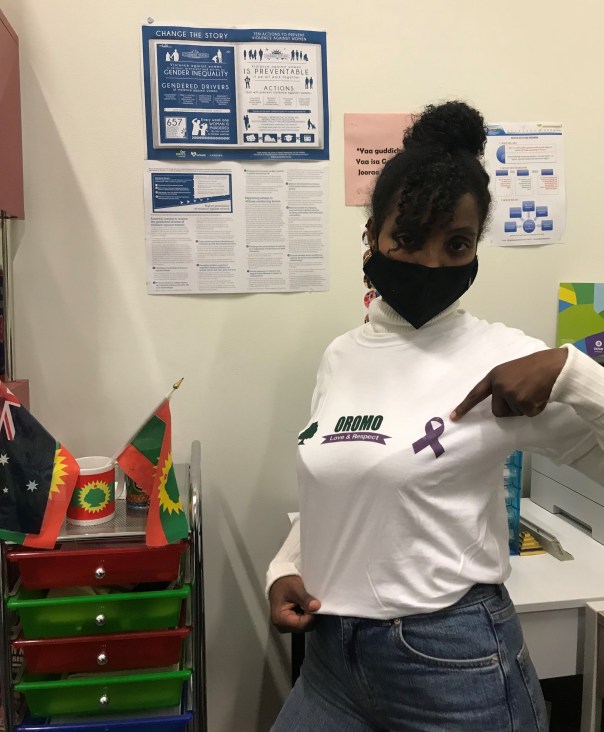
Empowering female professionals to achieve their career goals requires a combination of personal strategies, organizational support, and systemic change. Here’s my best advice for creating an environment where women can thrive and reach their full potential:
1. Build Confidence and Self-Advocacy
- Encourage Self-Belief: Women often face imposter syndrome or societal expectations that undermine their confidence. Encourage them to recognize their strengths, celebrate their achievements, and own their expertise.
- Teach Negotiation Skills: Equip women with the tools to negotiate for promotions, raises, and opportunities. Role-playing and workshops can help them practice these skills in a safe environment.
- Promote Visibility: Encourage women to speak up in meetings, share their ideas, and take credit for their contributions.
2. Foster Mentorship and Sponsorship
- Mentorship: Pair female professionals with mentors who can provide guidance, share experiences, and offer career advice. Mentors can help women navigate challenges and set realistic goals.
- Sponsorship: Encourage senior leaders (both men and women) to act as sponsors—advocating for high-potential women, recommending them for leadership roles, and creating opportunities for advancement.
3. Provide Access to Skill Development
- Continuous Learning: Offer training programs, workshops, and certifications to help women build new skills and stay competitive in their fields.
- Leadership Development: Create programs specifically designed to prepare women for leadership roles, focusing on strategic thinking, decision-making, and executive presence.
4. Advocate for Flexible Work Arrangements
- Work-Life Balance: Support flexible work schedules, remote work options, and parental leave policies to help women balance career and caregiving responsibilities.
- Normalize Flexibility: Ensure that flexible work arrangements are available to all employees, not just women, to avoid stigmatization.
5. Address Unconscious Bias
- Training: Provide regular training for employees and leaders to recognize and address unconscious bias in hiring, promotions, and day-to-day interactions.
- Inclusive Policies: Implement policies that promote fairness, such as blind recruitment processes and diverse hiring panels.
6. Create a Supportive Network
- Employee Resource Groups (ERGs): Establish ERGs for women to connect, share experiences, and support one another.
- Professional Associations: Encourage women to join industry-specific networks and associations to expand their professional circles and access new opportunities.
7. Set Clear Career Pathways
- Transparent Criteria: Clearly define the skills, experiences, and achievements required for promotions and leadership roles.
- Regular Feedback: Provide constructive feedback and career development discussions to help women understand their progress and areas for growth.
8. Encourage Risk-Taking and Resilience
- Embrace Challenges: Encourage women to take on stretch assignments, lead high-visibility projects, and step outside their comfort zones.
- Normalize Failure: Create a culture where failure is seen as a learning opportunity rather than a setback.
9. Advocate for Equal Pay and Representation
- Pay Equity: Regularly audit compensation practices to ensure women are paid fairly and equally for their work.
- Representation: Strive for gender balance in leadership roles and decision-making positions to create role models for aspiring female professionals.
10. Celebrate Successes
- Recognize Achievements: Publicly acknowledge and celebrate the accomplishments of female professionals, both big and small.
- Share Stories: Highlight the career journeys of successful women in the organization to inspire others and demonstrate what’s possible.
11. Address Systemic Barriers
- Policy Advocacy: Advocate for policies at the organizational and governmental levels that support women’s advancement, such as paid parental leave, affordable childcare, and anti-discrimination laws.
- Cultural Change: Challenge traditional gender roles and stereotypes that limit women’s career aspirations.
12. Lead by Example
- Role Models: Women in leadership positions should share their stories, challenges, and strategies for success to inspire others.
- Allyship: Encourage men to actively support gender equity initiatives and advocate for their female colleagues.
Conclusion:
Empowering female professionals to achieve their career goals requires a holistic approach that addresses individual, organizational, and societal factors. By fostering confidence, providing opportunities, and creating an inclusive environment, we can help women break through barriers and reach their full potential. When women succeed, organizations and societies thrive.
#IWD25 #LinkedInNewsAustralia




 Advocacy for Oromia