Iyasu Enoro’s Story: Resilience in the Face of Asylum Challenges
Mr Iyasu Enoro came to Australia in 2017 and applied for asylum because of concerns for his safety. Since then he has been forced to separate from his family, wife and three beloved children. The rearing and education of the children fell upon his wife. His daughter in particular was left without fatherly love and care after he fled the country. After a seven-year asylum application process, they learned his case was accepted and his family came to Australia.
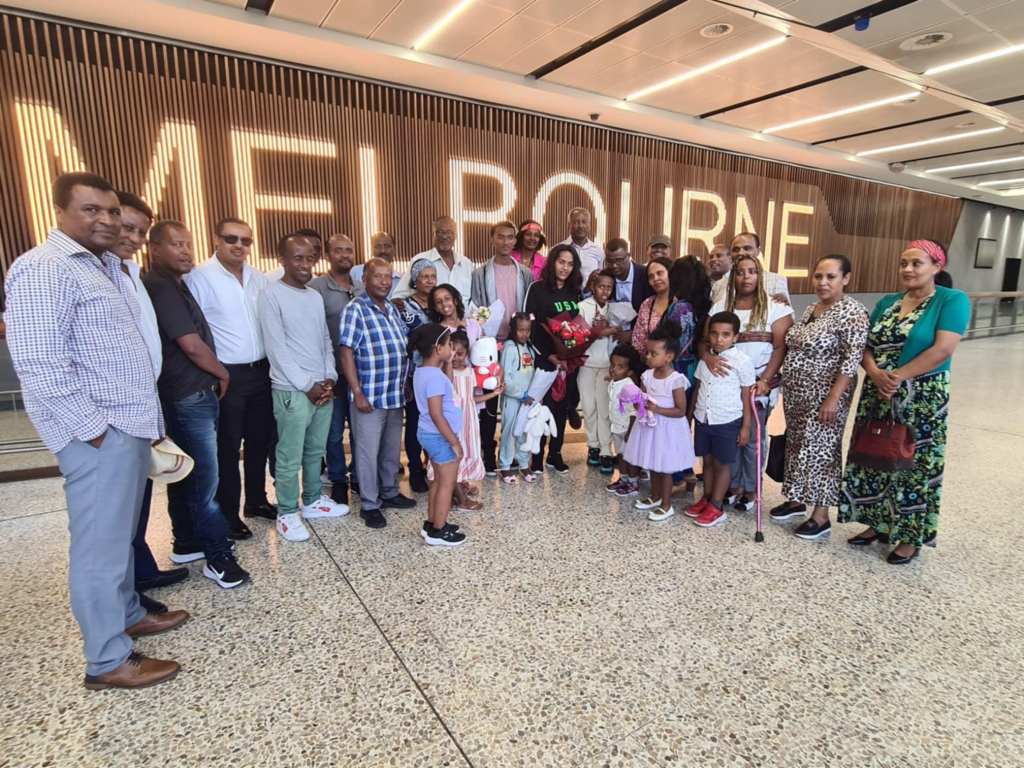
Advocacy for Oromia has been supporting and advocating for Iyasu and his family, stating that the situation in Ethiopia is dangerous for his life. How do we remember the hardships that Iyasu and his family went through?
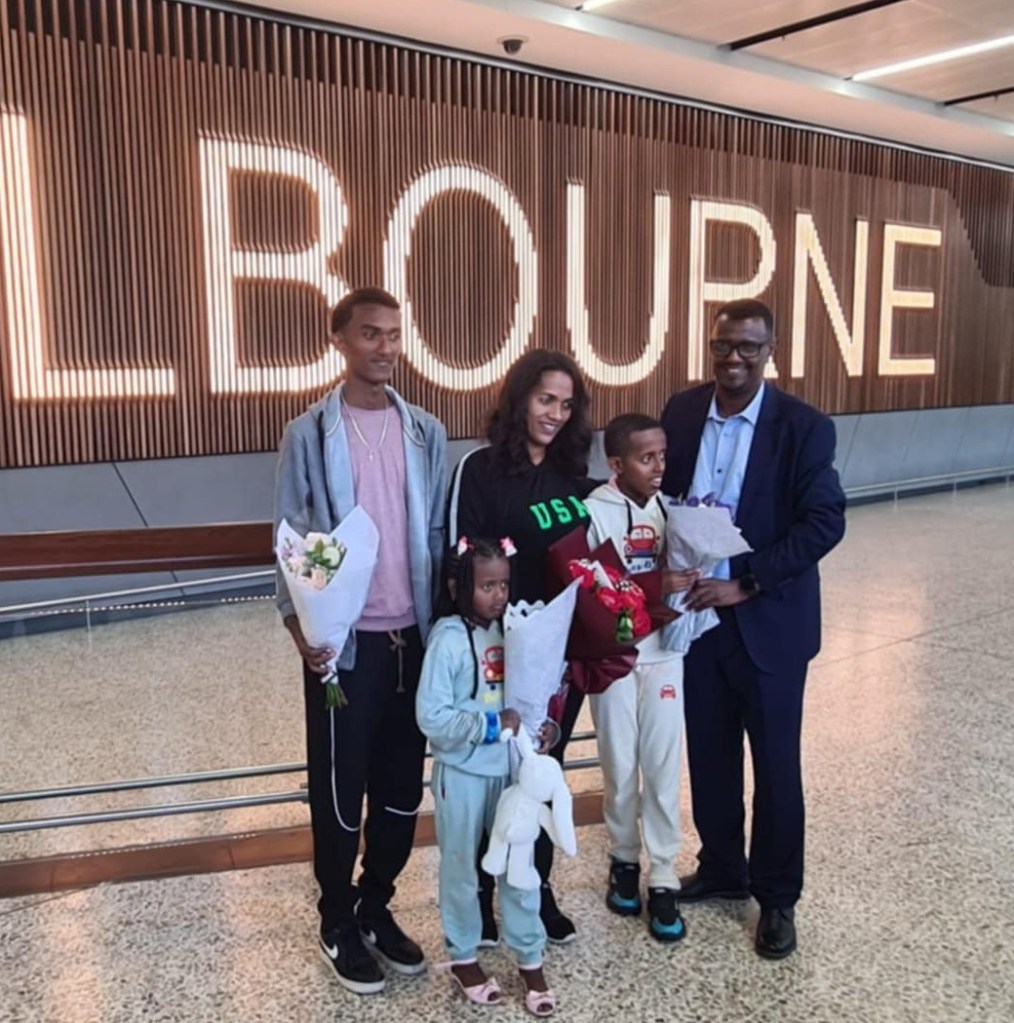
The story of Iyasu Enoro and his family is a powerful reminder of the struggles faced by many refugees and asylum seekers who are forced to flee their homes due to persecution, violence, or other threats to their safety. Remembering their hardships is not only a way to honor their resilience but also to raise awareness about the challenges faced by displaced families and the importance of advocacy and support. Here are some ways to remember and honor the hardships that Iyasu and his family endured:
1. Documenting Their Story
- Oral Histories: Record interviews with Iyasu, his wife, and his children to preserve their experiences and ensure their story is not forgotten.
- Written Accounts: Write articles, blogs, or even a book detailing their journey, highlighting the challenges they faced and the strength they demonstrated.
- Visual Media: Create a documentary or short film that captures their story, including their separation, struggles, and eventual reunion.
2. Public Awareness Campaigns
- Social Media: Share their story on platforms like Facebook, Twitter, and Instagram to raise awareness about the plight of refugees and the importance of asylum.
- Community Events: Organize events where Iyasu and his family can share their experiences with the community, fostering empathy and understanding.
3. Advocacy and Support
- Policy Change: Use their story to advocate for more compassionate and efficient asylum processes, reducing the time families spend separated.
- Support Organizations: Highlight the work of organizations like Advocacy for Oromia that supported Iyasu and his family, encouraging others to contribute to similar causes.
4. Cultural and Artistic Expressions
- Art Exhibitions: Commission artworks that depict Iyasu’s journey and the broader refugee experience.
- Music and Poetry: Encourage local artists to create songs or poems inspired by their story, which can be performed at community events.
5. Educational Initiatives
- School Programs: Develop educational materials or workshops that teach students about the challenges faced by refugees, using Iyasu’s story as a case study.
- University Lectures: Invite Iyasu and his family to speak at universities or colleges, sharing their experiences with students and academics.
6. Community Support and Solidarity
- Fundraising: Organize fundraisers to support Iyasu and his family as they rebuild their lives in Australia, as well as other refugee families in similar situations.
- Mentorship Programs: Create mentorship programs that connect refugee families with local communities, helping them integrate and thrive in their new environment.
7. Memorializing Their Journey
- Commemorative Events: Hold annual events to commemorate the day Iyasu’s asylum was granted or the day his family was reunited, celebrating their resilience and the support they received.
- Plaques or Monuments: Consider creating a plaque or monument in a community space to honor their journey and the broader refugee experience.
8. Personal and Family Healing
- Counseling and Support: Ensure that Iyasu and his family have access to counseling and support services to help them heal from the trauma of separation and displacement.
- Family Activities: Encourage activities that help the family bond and create new, positive memories together in Australia.
9. Global Solidarity
- International Advocacy: Share their story with international human rights organizations to highlight the broader issues faced by refugees and asylum seekers.
- Diaspora Engagement: Engage the Oromo diaspora and other refugee communities in supporting Iyasu’s family and advocating for systemic change.
10. Celebrating Their Resilience
- Recognition and Awards: Nominate Iyasu and his family for community awards that recognize their resilience and contributions to raising awareness about refugee issues.
- Community Celebrations: Organize celebrations to honor their strength and the support they received from Advocacy for Oromia and the broader community.
Conclusion
Remembering the hardships that Iyasu Enoro and his family endured is a way to honor their resilience, raise awareness about the challenges faced by refugees, and advocate for more compassionate policies. By documenting their story, supporting their healing, and celebrating their strength, we can ensure that their experiences are not forgotten and that their journey inspires positive change for others in similar situations.




 Advocacy for Oromia