Oromia Peace Institute: Bridging Dialogue and Community Action
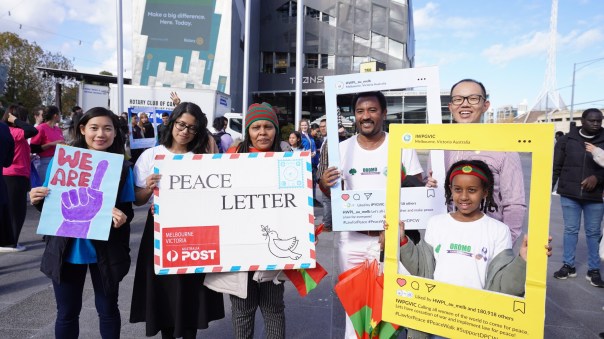
An Oromia Peace Institute is necessary to provide a permanent, professional, Oromo‑centered hub for conflict analysis, dialogue, and peace education that can guide political and community actors out of the current cycles of violence. It would connect Gadaa/Waaqeffannaa-based peace values, community experience, and modern peace-research methods into one institution that serves all of Oromia and contributes to Ethiopia-wide settlement efforts.[1][2][3]
Current gaps in Oromia
Studies on Oromia’s security show there is no clear, comprehensive regional peacebuilding framework, and indigenous Oromo mechanisms like Gadaa, Abba Gadaa, and Siinqee are not systematically used in present peace processes. Existing initiatives are often short-term projects run by NGOs or ad‑hoc committees, so lessons are lost, coordination is weak, and there is no single reference body for evidence-based advice on the Oromia conflict.[2][4][3][1]
What such an institute would do
An Oromia Peace Institute could systematically collect data on conflicts across zones and woredas, produce regular trend analyses, and advise government, parties, elders, and civic groups using rigorous and locally grounded research. It could design and support community-led dialogue processes that elevate elders, women, and youth, similar to participatory action research and dialogue models already piloted in Oromia by partner organisations.[4][3][5][2]
Linking tradition and modern peacebuilding
Research highlights the relevance of Gadaa peace principles and Oromo customary institutions for conflict transformation, but these are not yet meaningfully integrated into formal policy and security structures. A dedicated institute could document Gadaa and Siinqee peace norms, train mediators and local officials in their use, and translate them into practical tools for modern governance and inter-ethnic conflict management.[3][6][1]
Supporting political dialogue and long-term settlement
Recent calls for inclusive dialogue on Oromia’s crisis by Oromo political forces underline the need for neutral, credible technical support: mapping stakeholders, designing dialogue processes, and monitoring agreements. An Oromia Peace Institute can play this technical and moral support role, helping transform elite bargains into people-driven processes that include displaced communities, victims, women, and youth, and feeding Oromia’s experience into any broader Ethiopian peace architecture.[7][8][6]
Sources
[1] THE ROLE OF REGIONAL STATES IN MAINTAINING PEACE AND SECURITY IN ETHIOPIA: THE CASE OF OROMIA NATIONAL REGIONAL STATE https://www.academia.edu/122410465/THE_ROLE_OF_REGIONAL_STATES_IN_MAINTAINING_PEACE_AND_SECURITY_IN_ETHIOPIA_THE_CASE_OF_OROMIA_NATIONAL_REGIONAL_STATE
[2] The Peace Research Facility https://riftvalley.net/projects/horn-of-africa/the-peace-research-facility/
[3] Project profile — Strengthening Women-led Community … https://w05.international.gc.ca/projectbrowser-banqueprojets/project-projet/details/p011296002
[4] Our work in Ethiopia | Life & Peace Institute https://life-peace.org/our-work/ethiopia/
[5] Key Project: Peace Research Facility https://riftvalley.net/key_project/peace-research-facility/
[6] Religious Institutions, Conflict, and Peacebuilding in Ethiopia https://www.wilsoncenter.org/microsite/3/node/129907
[7] Strategies for Peacebuilding in Oromia https://advocacy4oromia.org/strategies-for-peacebuilding-in-oromia/
[8] Promoting Peace Through Dialogue: OLF and OFC’s … https://advocacy4oromia.org/2025/11/19/promoting-peace-through-dialogue-olf-and-ofcs-efforts-in-oromia/
[9] Advocacy for Oromia https://advocacy4oromia.org
[10] Regarding the Report of the EIP titled “The Potential for Peace in Western Oromia” OLF-OLA High Command January 17, 2023 https://qbo-abo-wbo.org/2023/01/18/regarding-the-report-of-the-eip-titled-the-potential-for-peace-in-western-oromia-olf-ola-high-command-january-17-2023/




 Advocacy for Oromia