Oromo Community Profile in Victoria, Australia
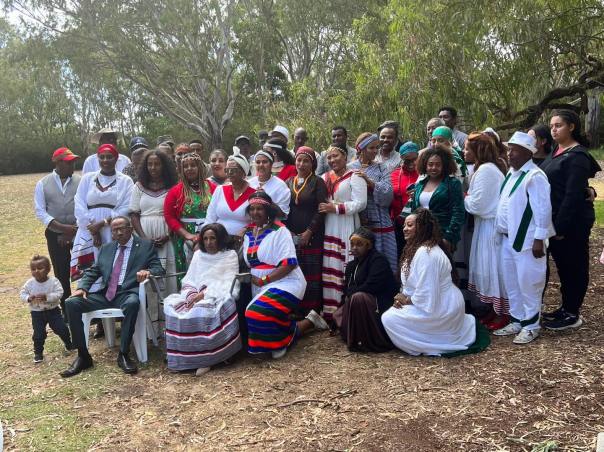
The Oromo community in Victoria is a vibrant and growing diaspora group with a rich cultural heritage. Below is a comprehensive profile of the community, including their history, location, language, religion, significant dates, and insights for communication and engagement.
History
- Migration Background:
- Many Oromo people fled Ethiopia due to political persecution, human rights abuses, and economic hardships.
- Before arriving in Australia, most spent time in refugee camps in countries such as Kenya, Sudan, Egypt, Yemen, or Somalia.
- Arrival in Australia:
- Oromo refugees began arriving in Australia in the early 1980s, with a significant increase during 2006–2009.
- The largest wave of Oromo refugees settled in Australia in 2008, with many choosing Victoria as their new home.
Location
- Where They Live:
- The Oromo community is primarily concentrated in Melbourne, particularly in the southeastern suburbs.
- Key areas include Dandenong, Springvale, Noble Park, and Clayton, which are known for their multicultural communities and affordable housing.
Oromo-Born Population
- Current Population: Approximately 5,000 Oromo-born individuals live in Victoria.
- Growth Factors:
- The community is growing through new births and family reunification, with some members still emigrating from refugee camps in Kenya.
Language
- Languages Spoken:
- Afaan Oromo: The native language of the Oromo people, widely spoken within the community.
- English: Many Oromo individuals, especially younger generations, are learning English to integrate into Australian society.
- English Language Proficiency:
- Proficiency levels vary, with older generations and new arrivals often having limited English skills.
- Younger Oromo Australians and those who have been in the country longer tend to have better English proficiency.
Religion
- Religious Diversity:
- The Oromo community in Victoria practices Islam, Christianity (Catholic, Protestant, or occasionally Ethiopian Orthodox), or the traditional Oromo monotheistic belief (Waaqeffannaa).
- Waaqeffannaa centers around one God, Waaqaa, and has influenced Oromo interpretations of Islam and Christianity.
- Coexistence:
- Oromo Muslims, Christians, and Waaqeffannaa followers have historically coexisted peacefully, both in Oromia and in Victoria.
Years of Arrival
- Early Arrivals: The first Oromo refugees arrived in Australia in the early 1980s.
- Peak Arrival: The largest number of Oromo refugees settled in Australia during 2006–2009, with a significant peak in 2008.
Names
- Naming Conventions:
- Oromo names follow a patronymic system, with a person’s given name followed by their father’s and grandfather’s names.
- Names often carry meanings related to success, wisdom, or prosperity.
- Popular Names:
- Male Names: Gemechu, Challa, Ibsaa.
- Female Names: Lensa, Chaltu, Ibsituu.
Significant Dates
- Irreecha: A traditional Oromo thanksgiving festival celebrated in the fall.
- Oromian Civil Resistance Day: Commemorates the struggle for Oromo rights and freedom.
- Shanan: A post-birth ritual celebrating motherhood and community support.
- Oromo Martyrs Day: Honors those who have died for the Oromo cause.
- New Year’s Day (January 1): An important family holiday.
Insights for Communication and Engagement
- Cultural Sensitivity:
- Respect Oromo cultural practices, such as the importance of family, elders, and community.
- Be mindful of the trauma many Oromo individuals have experienced due to persecution and displacement.
- Language Support:
- Provide translation services or bilingual materials to accommodate those with limited English proficiency.
- Encourage the use of Afaan Oromo in community programs to foster inclusivity.
- Community Involvement:
- Engage with Oromo community organizations, such as the Oromo Association in Victoria, to build trust and collaboration.
- Participate in cultural events like Irreecha to show respect and support for Oromo traditions.
- Education and Empowerment:
- Offer educational programs tailored to the needs of Oromo women and youth.
- Provide resources to help Oromo parents navigate the Australian education system.
- Religious Awareness:
- Acknowledge the religious diversity within the Oromo community and ensure that programs and services are inclusive of all faiths.
Sources of Information
- Community Organizations:
- Oromo Association in Victoria: Provides support, cultural programs, and advocacy for the Oromo community.
- Oromia Language and Cultural Academy (OLCA): Focuses on preserving Oromo language and culture.
- Advocacy for Oromia Association (A4O): Advocates for the rights and needs of disadvantaged Oromo individuals.
- Government and NGO Reports:
- Reports from the Department of Home Affairs and Settlement Services International (SSI) provide insights into refugee settlement patterns and needs.
- Local government initiatives in Melbourne often include data on multicultural communities.
- Academic Research:
- Studies on Oromo migration, settlement, and cultural preservation offer valuable insights into the community’s experiences.
Conclusion
The Oromo community in Victoria is a resilient and culturally rich group that has made significant contributions to the multicultural fabric of Australia. By understanding their history, cultural practices, and unique needs, service providers and community leaders can better support and engage with the Oromo community. Through collaboration and cultural sensitivity, we can help the Oromo people thrive in their new home.




 Advocacy for Oromia