Oromo Journalism: Preserving Culture and History
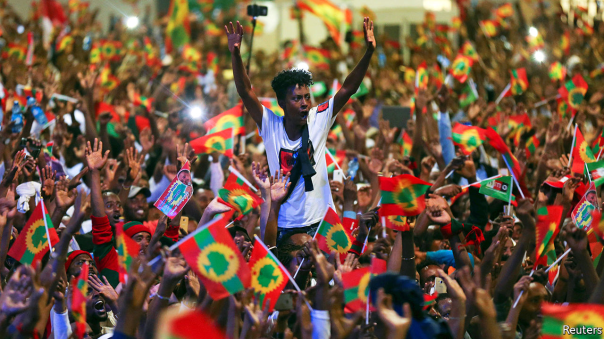
Oromo journalists hold immense power and responsibility in shaping the narrative about the Oromo nation and Oromia. In a world where misinformation and biased narratives often dominate, Oromo journalists have the unique opportunity to tell their own stories, preserve their history, and present the truth about their people, culture, and struggles. Here’s how Oromo journalists can counter the prevailing narratives and amplify the voice of the Oromo nation:
1. Telling Authentic Stories
Oromo journalists have the privilege of being the voice of their people. By sharing authentic stories that reflect the lived experiences, aspirations, and challenges of the Oromo nation, they can humanize their community and counter stereotypes. These stories should highlight:
- The rich cultural heritage of the Oromo people.
- The resilience and strength of Oromo women, men, and youth.
- The historical and ongoing struggles for justice, equality, and self-determination.
2. Preserving and Promoting Oromo History
Oromo journalists can play a critical role in documenting and disseminating the true history of the Oromo people. This includes:
- Educating the world about the Gadaa system, one of the oldest democratic systems in the world.
- Highlighting the contributions of Oromo leaders, activists, and intellectuals to Ethiopia and beyond.
- Exposing historical injustices, such as land dispossession and cultural suppression, to ensure they are not erased from public memory.
3. Challenging Misinformation and Bias
Oromo journalists must actively challenge false narratives and misinformation about the Oromo nation. This can be done by:
- Fact-checking and debunking false claims about Oromia and the Oromo people.
- Providing context and analysis to counter one-sided or biased reporting.
- Amplifying the voices of Oromo scholars, activists, and community leaders who can provide accurate insights.
4. Advocating for Justice and Human Rights
Journalism is not just about reporting; it is also about advocacy. Oromo journalists can use their platforms to:
- Shed light on human rights violations and injustices faced by the Oromo people.
- Advocate for the release of political prisoners and the protection of activists.
- Promote peace, reconciliation, and unity within Oromia and beyond.
5. Leveraging Digital Media
In the digital age, Oromo journalists have access to powerful tools to reach global audiences. They can:
- Use social media platforms to share stories, videos, and articles that highlight Oromo culture and issues.
- Create podcasts, YouTube channels, and blogs to engage younger audiences and the diaspora.
- Collaborate with international media outlets to bring Oromo stories to a wider audience.
6. Building Networks and Solidarity
Oromo journalists can strengthen their impact by building networks with other journalists, activists, and organizations. This includes:
- Collaborating with other marginalized communities to amplify shared struggles.
- Partnering with global media organizations to ensure Oromo stories are heard internationally.
- Supporting and mentoring young Oromo journalists to ensure the continuity of truthful storytelling.
7. Celebrating Oromo Achievements
While it is important to address challenges, Oromo journalists should also celebrate the achievements of their people. This includes:
- Highlighting the successes of Oromo entrepreneurs, artists, athletes, and scholars.
- Showcasing the beauty of Oromia’s landscapes, traditions, and innovations.
- Inspiring pride and hope within the Oromo community.
8. Upholding Ethical Journalism
To build trust and credibility, Oromo journalists must adhere to the highest standards of ethical journalism. This means:
- Reporting truthfully and accurately, without sensationalism or bias.
- Giving voice to diverse perspectives within the Oromo community.
- Remaining independent and resisting pressure from political or external forces.
Conclusion
Oromo journalists are not just reporters; they are storytellers, historians, and advocates for their people. By telling authentic stories, challenging misinformation, and advocating for justice, they have the power to reshape the narrative about the Oromo nation and Oromia. In doing so, they can inspire pride, foster understanding, and contribute to the global recognition of the Oromo people’s rich heritage and ongoing struggles.
Let us support and empower Oromo journalists as they continue to be the voice of truth and the guardians of their nation’s story.




 Advocacy for Oromia