Overcoming Challenges for Mothers Returning to Work
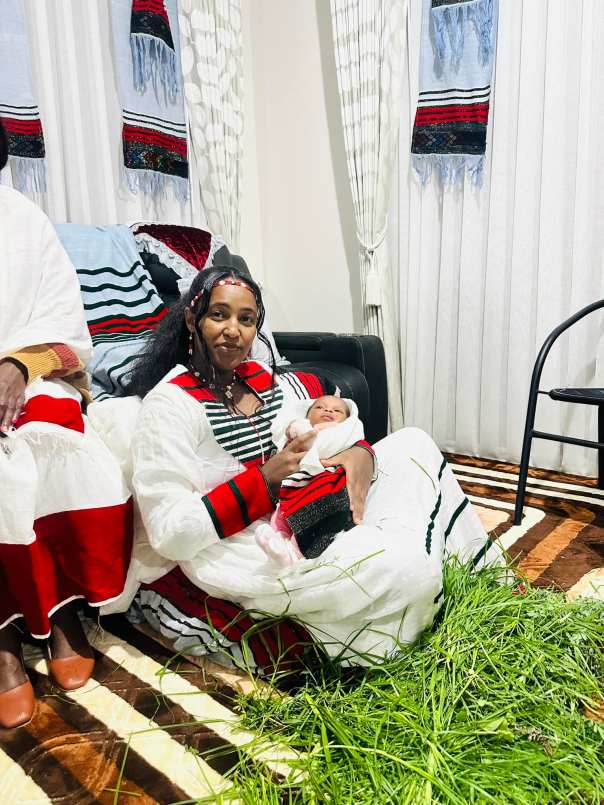
Women returning to work after maternity leave often face a range of challenges that can impact their professional and personal lives. These challenges can vary depending on the workplace culture, industry, and individual circumstances, but some of the most common issues include:
1. Lack of Flexible Work Arrangements
- Challenge: Many women struggle to balance work and caregiving responsibilities, especially if their workplace does not offer flexible hours or remote work options.
- Solution: Organizations can implement flexible work policies, such as hybrid work models, part-time options, or flexible start and end times, to help mothers transition back to work more smoothly.
2. Career Stagnation or Perceived Lack of Commitment
- Challenge: Women returning from maternity leave may face biases or assumptions that they are less committed to their careers, leading to missed promotions or opportunities.
- Solution: Organizations should actively combat bias by ensuring that performance evaluations and promotion decisions are based on objective criteria. Mentorship and sponsorship programs can also help women regain momentum in their careers.
3. Emotional and Mental Health Struggles
- Challenge: The transition back to work can be emotionally taxing, as women navigate the guilt of leaving their child, the stress of balancing responsibilities, and the pressure to perform at work.
- Solution: Providing access to mental health resources, such as counseling or employee assistance programs (EAPs), can help women manage this transition. Creating a supportive workplace culture where mothers feel comfortable discussing their challenges is also crucial.
4. Lack of Adequate Childcare Support
- Challenge: Access to affordable, reliable childcare is a significant barrier for many working mothers, particularly in regions where childcare options are limited or expensive.
- Solution: Organizations can support employees by offering on-site childcare facilities, subsidies for childcare costs, or partnerships with local childcare providers. Additionally, backup childcare services for emergencies can be a valuable benefit.
5. Reintegration into the Workplace
- Challenge: Women may feel out of touch with workplace developments, team dynamics, or industry trends after an extended leave, making reintegration difficult.
- Solution: Organizations can facilitate a smoother reintegration process by providing “return-to-work” programs, including refresher training, updates on company changes, and opportunities to reconnect with colleagues.
6. Workplace Discrimination and Bias
- Challenge: Some women face overt or subtle discrimination upon returning to work, such as being excluded from important projects or being treated differently because of their caregiving responsibilities.
- Solution: Organizations must enforce anti-discrimination policies and provide training to managers and employees to raise awareness about unconscious bias. Creating a culture of inclusivity and respect is essential.
7. Lack of Lactation Support
- Challenge: Nursing mothers often struggle to find private, hygienic spaces to pump breast milk at work, which can lead to discomfort or health issues.
- Solution: Organizations should provide dedicated lactation rooms with proper facilities and ensure that employees are aware of their rights to lactation breaks.
8. Financial Pressures
- Challenge: The cost of childcare, reduced income during leave, and other financial pressures can create stress for women returning to work.
- Solution: Offering paid parental leave, childcare subsidies, or financial planning resources can help alleviate some of these pressures.
How Organizations Can Better Support the Transition:
- Implement Comprehensive Parental Leave Policies:
- Offer paid maternity and paternity leave to ensure that both parents can share caregiving responsibilities.
- Provide phased return-to-work options, allowing employees to gradually increase their hours.
- Foster a Supportive Culture:
- Encourage open conversations about work-life balance and caregiving responsibilities.
- Train managers to support employees returning from leave and to recognize and address biases.
- Provide Career Development Opportunities:
- Offer mentorship, coaching, and training programs to help women rebuild their skills and confidence.
- Ensure that women returning from leave are considered for promotions and high-visibility projects.
- Enhance Benefits and Resources:
- Provide access to childcare support, mental health resources, and lactation facilities.
- Offer flexible work arrangements and remote work options.
- Normalize Shared Caregiving:
- Encourage men to take parental leave and actively participate in caregiving, helping to reduce the stigma and burden on women.
- Monitor and Measure Progress:
- Regularly assess the effectiveness of policies and programs supporting returning mothers.
- Collect feedback from employees to identify areas for improvement.
Conclusion:
The challenges women face when returning to work after maternity leave are multifaceted, but organizations have the power to make a significant difference. By implementing supportive policies, fostering an inclusive culture, and addressing systemic barriers, employers can help ensure that women can thrive both professionally and personally. This not only benefits individual employees but also contributes to a more diverse, equitable, and productive workplace.




 Advocacy for Oromia