Role of Oromo Women in Oromia’s Struggle for Freedom
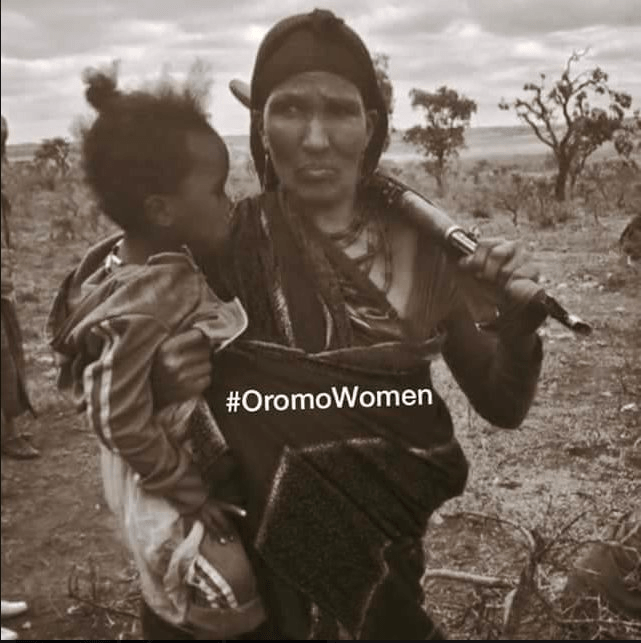
The role of Oromo women in Oromia’s struggle for freedom has been profound, multifaceted, and indispensable. Oromo women have not only been active participants but also leaders, caregivers, and symbols of resilience in the fight for justice, equality, and self-determination. Below is an exploration of their contributions and the significance of their role in the Oromo struggle:
1. Leadership and Activism
Oromo women have been at the forefront of the struggle, taking on leadership roles and mobilizing communities. They have organized protests, led movements, and advocated for Oromo rights at local, national, and international levels.
- Examples:
- Women like Siinqee (traditional Oromo women’s leaders) have historically played key roles in conflict resolution and community leadership.
- Modern activists such as Bekele Gerba, Jawar Mohammed’s mother (Mama Kadiga), and countless others have been vocal in demanding justice and equality.
2. Preservation of Culture and Identity
Oromo women have been the custodians of Oromo culture, language, and traditions. They have ensured that the Oromo identity remains strong and vibrant, even in the face of oppression and assimilation policies.
- Examples:
- Teaching the Afaan Oromo language to younger generations.
- Preserving and practicing traditional ceremonies like Irreecha and Siinqee.
3. Participation in Armed Struggle
During periods of armed resistance, Oromo women have actively participated in the fight for liberation. They have served as fighters, strategists, and supporters, often risking their lives for the cause.
- Examples:
- Women in the Oromo Liberation Front (OLF) and other resistance movements have taken up arms and contributed to the struggle.
- They have also provided logistical support, such as food, shelter, and medical care, to fighters.
4. Advocacy and Human Rights
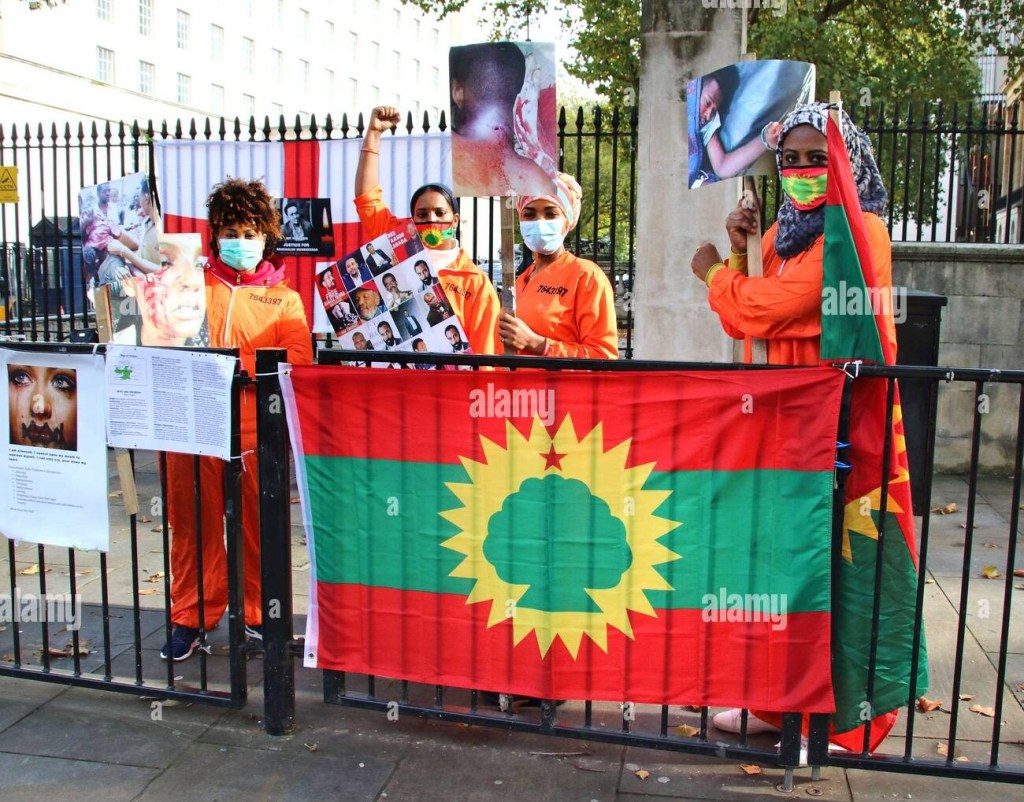
Oromo women have been vocal advocates for human rights, both within Oromia and on the global stage. They have highlighted the injustices faced by the Oromo people, including land dispossession, political repression, and cultural erasure.
- Examples:
- Organizing protests and campaigns against human rights violations.
- Using social media and international platforms to raise awareness about the Oromo struggle.
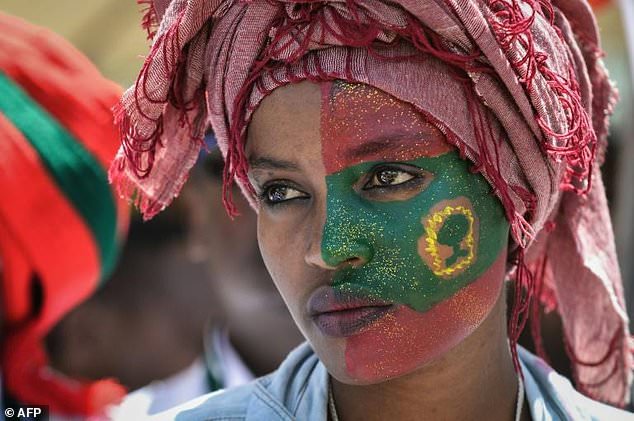
5. Caregiving and Community Building
In times of crisis, Oromo women have been the backbone of their communities. They have provided emotional and physical support to families, ensuring the survival and resilience of the Oromo people.
- Examples:
- Caring for children, the elderly, and those injured or displaced by conflict.
- Building networks of solidarity and support within communities.
6. Symbol of Resistance and Resilience
Oromo women have become symbols of resistance and resilience, embodying the strength and determination of the Oromo people. Their courage and sacrifices have inspired generations to continue the fight for freedom.
- Examples:
- The image of Oromo women leading protests, singing, and chanting slogans has become iconic in the struggle.
- Their ability to endure hardship and remain steadfast in their commitment to justice has earned them immense respect.
7. Political Representation
In recent years, Oromo women have increasingly taken on roles in politics and governance, advocating for the rights of women and marginalized groups within the broader Oromo struggle.
- Examples:
- Women leaders in the Oromo Federalist Congress (OFC) and other political organizations.
- Efforts to ensure gender equality and women’s representation in decision-making processes.
8. Role in the Qeerroo and Qarree Movements
Oromo women have played a significant role in the Qeerroo (Oromo youth) and Qarree (Oromo women’s) movements, which have been instrumental in recent protests and uprisings.
- Examples:
- Organizing and participating in mass demonstrations.
- Using social media to mobilize and raise awareness about the Oromo struggle.
Challenges Faced by Oromo Women
Despite their immense contributions, Oromo women face significant challenges, including:
- Gender-based violence: Both within and outside the struggle.
- Cultural and societal barriers: Traditional gender roles can limit their participation in leadership and decision-making.
- Lack of recognition: Their contributions are often overlooked or undervalued.
Conclusion
The role of Oromo women in Oromia’s struggle for freedom is a testament to their strength, resilience, and unwavering commitment to justice. They have been leaders, fighters, caregivers, and symbols of hope, ensuring that the Oromo people’s fight for freedom and self-determination continues. Their contributions are not only vital to the Oromo struggle but also serve as an inspiration to women and marginalized groups worldwide.
As the Oromo people move forward in their quest for freedom and equality, the role of Oromo women will remain central. Their voices, leadership, and sacrifices must be recognized, celebrated, and supported to ensure a just and equitable future for all. Long live the spirit of Oromo women!




 Advocacy for Oromia