Strategies for Peacebuilding in Oromia
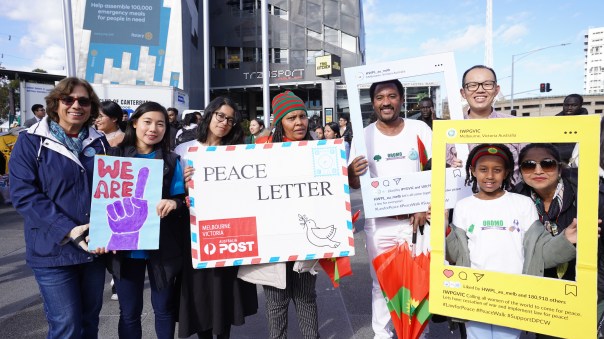
Maintaining and ensuring peace in Oromia, or any region, requires a multifaceted approach that addresses the root causes of conflict, promotes inclusivity, and fosters sustainable development. Below are some key strategies that could contribute to peacebuilding in Oromia:
- Inclusive Political Dialogue
Engage All Stakeholders: Facilitate dialogue between the Ethiopian government, Oromo political groups, community leaders, and other stakeholders to address grievances and build consensus on key issues.
Power-Sharing Agreements: Ensure fair representation of the Oromo people in federal and regional government structures to address historical marginalization.
Respect for Human Rights: Uphold the rule of law and protect the rights of all citizens, including freedom of expression, assembly, and political participation.
- Address Historical Grievances
Land Rights: Resolve disputes over land ownership and use, which have been a significant source of tension. Implement transparent and fair land policies.
Cultural Recognition: Promote and protect Oromo culture, language, and identity within the broader Ethiopian framework.
Justice and Accountability: Address past injustices through transitional justice mechanisms, such as truth and reconciliation commissions, to foster healing and accountability.
- Economic Development and Equity
Resource Distribution: Ensure equitable distribution of resources and development projects to reduce economic disparities between regions.
Job Creation: Invest in job creation programs, particularly for youth, to reduce unemployment and prevent the recruitment of young people into armed groups.
Agricultural Support: Provide support for smallholder farmers, who make up a significant portion of the population, to improve livelihoods and food security.
- Strengthening Local Governance
Decentralization: Empower local governments to address community-specific issues and deliver services more effectively.
Community Policing: Implement community-based policing models to build trust between security forces and local populations.
Conflict Resolution Mechanisms: Establish local conflict resolution mechanisms that involve traditional leaders and community elders.
- Promoting Social Cohesion
Inter-Ethnic Dialogue: Encourage dialogue and cooperation between different ethnic groups to reduce tensions and build mutual understanding.
Education and Awareness: Promote peace education in schools and communities to foster a culture of tolerance and non-violence.
Media Responsibility: Encourage responsible media reporting that avoids incitement and promotes peacebuilding narratives.
- Security Sector Reform
Professionalization of Security Forces: Train security forces in human rights and conflict-sensitive approaches to reduce abuses and build public trust.
Disarmament and Demobilization: Implement programs for the disarmament, demobilization, and reintegration (DDR) of former combatants.
Monitoring and Accountability: Establish mechanisms to monitor the conduct of security forces and hold them accountable for any abuses.
- International Support and Mediation
Regional and International Mediation: Engage regional organizations like the African Union (AU) and international partners to mediate conflicts and support peace processes.
Humanitarian Assistance: Provide humanitarian aid to communities affected by conflict to address immediate needs and prevent further instability.
Technical and Financial Support: Offer technical and financial support for peacebuilding initiatives, including capacity-building for local institutions.
- Youth and Women Empowerment
Youth Engagement: Involve young people in peacebuilding initiatives and provide them with opportunities for education, employment, and civic participation.
Women’s Participation: Ensure the active participation of women in peace processes and decision-making, as they often play a crucial role in conflict resolution and community resilience.
- Environmental Sustainability
Natural Resource Management: Address environmental degradation and resource scarcity, which can exacerbate conflicts. Promote sustainable land and water management practices.
Climate Resilience: Build resilience to climate change, which can impact livelihoods and contribute to displacement and conflict.
- Long-Term Peacebuilding
Sustainable Development Goals (SDGs): Align peacebuilding efforts with the SDGs to ensure long-term development and stability.
Monitoring and Evaluation: Establish mechanisms to monitor the progress of peacebuilding initiatives and adapt strategies as needed.
Conclusion
Peace in Oromia requires a comprehensive approach that addresses the political, economic, social, and security dimensions of conflict. It is essential to involve all stakeholders, including the Oromo people, the Ethiopian government, civil society, and international partners, in a collaborative effort to build a sustainable peace. The process will take time, but with commitment and cooperation, lasting peace is achievable.




 Advocacy for Oromia