Supporting Colleagues During Irreechaa Celebrations
10 Ways to Support Your Colleagues Celebrating Irreechaa
A workplace guide to honoring the Oromo Thanksgiving festival with inclusion and respect
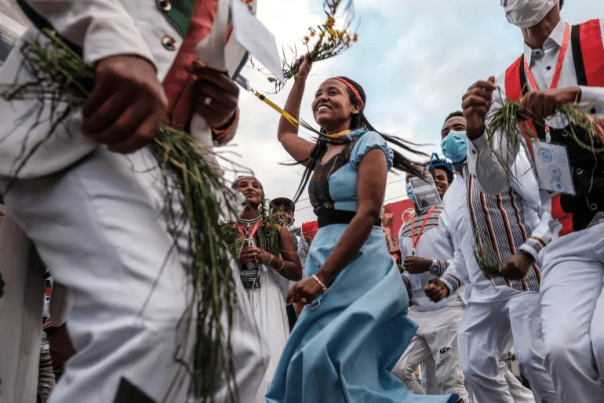
WORKPLACE — Irreechaa is the annual thanksgiving festival celebrated by the Oromo people, Ethiopia’s largest ethnic group, at the end of the main rainy season . The festival is a time of gratitude to Waaqa (God), marked by vibrant cultural expressions, traditional attire, gatherings around sacred rivers and lakes, and celebrations of unity, peace, and renewal .
For Oromo colleagues, Irreechaa represents far more than a cultural event—it is a profound expression of identity, heritage, and spiritual connection that was suppressed for generations and has been revived through decades of struggle . Creating an inclusive workplace where Oromo colleagues feel supported during this sacred time strengthens team cohesion, demonstrates respect for diversity, and enriches organizational culture.
Here are ten meaningful ways to support your colleagues celebrating Irreechaa.
1. Learn About Irreechaa and Its Significance
Support begins with understanding. Irreechaa is not merely a festival but a deeply meaningful tradition for Oromo people worldwide. Take time to learn:
- Irreechaa marks the end of the rainy season and expresses gratitude to Waaqa for the blessings of nature
- The festival involves placing fresh grass and flowers in water, symbolizing life, renewal, and hope
- Celebrants wear beautiful traditional attire—often white garments with distinctive accessories
- The festival has gained international recognition since UNESCO inscribed the Gadaa system as Intangible Cultural Heritage
- Irreechaa holds special significance as a symbol of Oromo cultural revival after generations of suppression
When you understand what Irreechaa represents, you can engage with genuine appreciation rather than superficial acknowledgment. Ask Oromo colleagues respectful questions about their traditions—most will appreciate your genuine interest .
2. Acknowledge the Festival Personally and Sincerely
A simple acknowledgment can mean a great deal. When Irreechaa approaches, reach out to Oromo colleagues with genuine warmth:
- “I understand Irreechaa is approaching. I hope you have a meaningful celebration with your community.”
- “Happy Irreechaa! I hope the festival brings you joy and connection.”
- “I’ve been reading about Irreechaa and its significance. Wishing you a beautiful celebration.”
What to avoid:
- Performative gestures that feel like checking a diversity box
- Expecting colleagues to educate you extensively about their culture (do basic research first)
- Assuming all Oromo people celebrate identically—practices vary
Authentic acknowledgment builds trust and signals that you see your colleagues fully .
3. Respect Leave Requests Around the Festival
Irreechaa celebrations typically span multiple days and often require travel. The main celebrations occur in Addis Ababa (Hora Finfinnee) and Bishoftu, drawing hundreds of thousands of participants . For Oromo colleagues in the diaspora, this may mean taking time off to travel or participate in local community celebrations.
Practical support:
- Process leave requests promptly and positively during the festival period
- Avoid scheduling important meetings or deadlines during major celebration days
- Understand that some colleagues may need extended time for travel or family obligations
- Plan ahead—know when Irreechaa occurs (typically October) and adjust schedules accordingly
As workplace inclusion research shows, managers who understand cultural leave needs can plan rotas more sensitively, supporting both employee wellbeing and operational coverage .
4. Create Space for Cultural Sharing
Many Oromo colleagues would welcome opportunities to share their culture with interested coworkers. When approached respectfully, cultural sharing builds mutual understanding and strengthens team bonds .
Ideas for inclusive cultural sharing:
- Invite Oromo colleagues (without pressure) to share about Irreechaa during team meetings
- Organize a cultural lunch where colleagues can bring traditional Oromo dishes
- Display information about Irreechaa on team communication boards or newsletters
- If colleagues wear traditional attire to post-celebration gatherings, appreciate and acknowledge it
- Share photos and stories from celebrations (with permission) to help others understand
As one workplace inclusion initiative found, “Even the small actions of showing interest in each other has had a strong impact on engagement and wellbeing” .
5. Be Mindful of Workplace Events During Irreechaa
If Irreechaa coincides with important workplace events, consider timing and participation:
- Avoid scheduling mandatory meetings on major celebration days when possible
- If critical events must occur, record them for colleagues who cannot attend
- When planning team celebrations, check whether dates conflict with Irreechaa
- Consider rotating cultural acknowledgments throughout the year so all traditions receive attention
One powerful example of thoughtful inclusion comes from a team that rescheduled an after-work meal to accommodate a colleague observing Ramadan—they ensured the timing allowed them to break fast together . The same principle applies to Irreechaa: small adjustments demonstrate genuine care.
6. Understand the Festival’s Historical and Political Context
Irreechaa carries profound historical weight. For generations, Oromo cultural expression—including Irreechaa—was suppressed under successive Ethiopian regimes . The festival was revived in the late 1990s after decades of struggle, and the 2016 Irreechaa saw tragic violence that became a turning point in Ethiopian politics .
Why this matters in the workplace:
- Understanding this history helps you appreciate why Irreechaa holds deep meaning beyond celebration
- It explains why some Oromo colleagues may feel emotional or reflective during this time
- It contextualizes conversations about cultural identity and recognition
- It demonstrates genuine rather than superficial engagement with Oromo culture
Approach this understanding with sensitivity—your role is to understand, not to probe colleagues about painful history unless they choose to share.
7. Celebrate Diversity Broadly, Not Just Major Festivals
While Irreechaa deserves specific recognition, building an inclusive workplace means valuing diversity consistently . Employees thrive when their whole identity—cultural, religious, linguistic—is respected year-round, not just during high-visibility festivals.
Long-term inclusion practices:
- Regularly feature diverse cultural content in internal communications
- Ensure representation in decision-making bodies and leadership
- Address microaggressions and bias when they occur
- Support employee resource groups for Oromo and other cultural communities
- Learn about other significant Oromo traditions beyond Irreechaa
As one inclusion initiative noted, consistency matters—cultural recognition should “become part of workplace culture,” not occasional events .
8. Offer Flexible Work Arrangements During Celebration Periods
Beyond formal leave, flexibility can make a significant difference during Irreechaa:
- Allow flexible start times for colleagues attending evening community celebrations
- Permit remote work when needed (some may travel to family but can work partially)
- Be understanding about reduced capacity during celebration periods
- Consider compressed work weeks that accommodate extended weekends
The goal is to support colleagues in honoring their traditions while maintaining professional responsibilities. Flexibility communicates that you trust employees to manage their time responsibly.
9. Include Families and Community When Appropriate
Irreechaa is deeply communal, bringing together families, elders, and community members across generations . Where workplace culture allows, extending inclusion to families can deepen connection:
- Invite colleagues to bring family members to appropriate workplace celebrations
- Ask about their family’s Irreechaa traditions with genuine interest
- If your organization hosts family-friendly events, consider scheduling them at culturally inclusive times
- Acknowledge that community connection is central to Oromo identity
When employees feel their families and communities are respected, workplace loyalty and engagement deepen .
10. Support Oromo Cultural Initiatives Beyond the Workplace
Genuine allyship extends beyond workplace accommodations. Consider how your organization can support Oromo culture more broadly:
- Partner with Oromo community organizations for cultural events or learning opportunities
- Support Oromo-owned businesses when sourcing for workplace needs
- Include Oromo representation in diversity programming and leadership development
- Advocate for resources that support Oromo employees’ professional growth
- Ensure your organization’s diversity metrics include and track Oromo representation
When organizations invest in cultural communities beyond performative gestures, they build trust and demonstrate authentic commitment .
What to Avoid: Well-Intentioned but Problematic Approaches
Don’t tokenize. Avoid asking one Oromo colleague to represent or explain everything about their culture. This places unfair burden on them.
Don’t assume homogeneity. Oromo culture is diverse—practices vary across regions, families, and individuals. Ask about individual experiences rather than assuming all Oromos celebrate identically.
Don’t politicize. While Irreechaa has political dimensions historically, avoid bringing workplace politics into celebrations or making assumptions about colleagues’ political views.
Don’t expect performance. Some colleagues may prefer not to share their culture at work. Respect this choice completely—inclusion means honoring preferences, not demanding visibility.
Don’t forget follow-up. Acknowledgment before the festival matters—but so does checking in afterward. A simple “How was your Irreechaa celebration?” shows ongoing care.
The Business Case for Cultural Inclusion
Supporting colleagues celebrating Irreechaa isn’t just about kindness—it makes good business sense. Research consistently shows that inclusive workplaces benefit from:
- Enhanced employee engagement when people can bring whole selves to work
- Stronger team relationships through cross-cultural understanding
- Improved retention of talented employees from diverse backgrounds
- Better problem-solving through diverse perspectives
- Positive organizational reputation as an inclusive employer
As one workplace initiative found, “The whole [organization] has a sense of community, we understand and respect the mix of cultures and enjoy learning from each other” .
Conclusion: Small Gestures, Significant Impact
Supporting colleagues celebrating Irreechaa ultimately comes down to genuine respect, curiosity, and care. You don’t need to become an expert on Oromo culture or orchestrate elaborate celebrations. What matters most is consistent, authentic acknowledgment that your Oromo colleagues and their traditions are valued.
As one workplace inclusion reflection noted, “While these may seem like small things, it’s these considerate actions that breathe life into our inclusive culture. Everyday gestures of kindness and understanding mean that we thrive and actively celebrate different backgrounds and traditions” .
Happy Irreechaa to all Oromo colleagues celebrating. May the festival bring peace, unity, and renewed connection to your communities.




 Advocacy for Oromia