The Importance of Shanan in Oromo Community Support
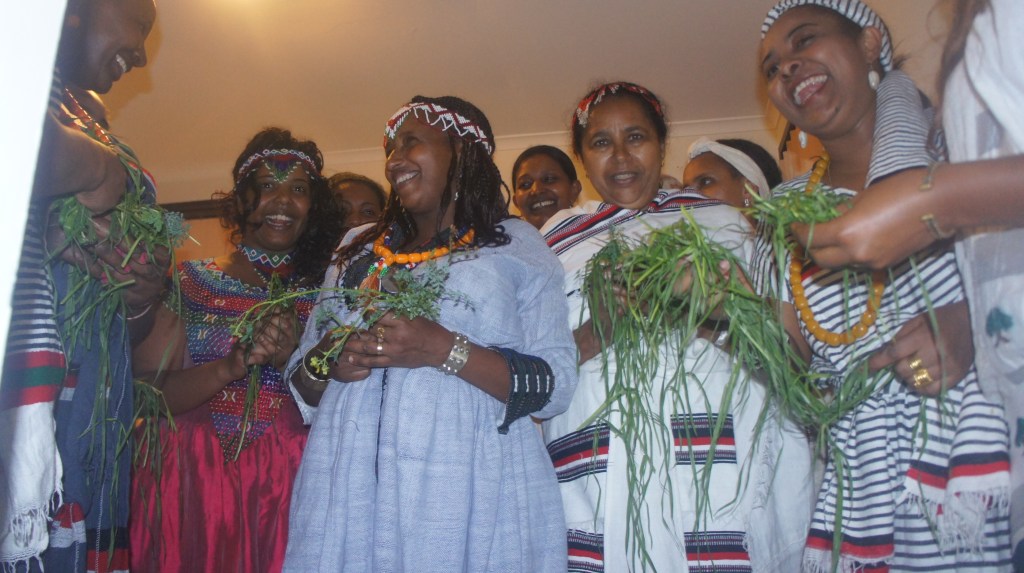
In Oromo culture, Shanan (the five days of childbirth) is a deeply significant traditional practice that underscores the communal and collective nature of Oromo society. This period is marked by rituals, celebrations, and communal support that not only honor the new mother but also strengthen social bonds within the community. Below is an exploration of how Shanan contributes to community cohesion and support:
What is Shanan?
- Shanan refers to the five-day period following childbirth, during which the new mother and her family receive support and blessings from the community.
- On the fifth day, a special gathering is held where family, neighbors, and friends come together to celebrate the birth and encourage the mother.
- The event includes the serving of marqaa, a traditional Oromo food, which symbolizes blessings, care, and communal solidarity.
Key Elements of Shanan
- Communal Gathering:
- Family, neighbors, and friends gather to celebrate the birth and support the new mother.
- This gathering reflects the Oromo value of collectivism, where the community comes together to share joys and challenges.
- Rituals and Blessings:
- Elders and community members offer blessings to the mother and the newborn, wishing them health, strength, and prosperity.
- These rituals reinforce cultural traditions and pass them on to younger generations.
- Marqaa (Traditional Food):
- Marqaa, a nutritious and symbolic food, is prepared and served to the mother and guests.
- The act of sharing marqaa represents communal care and solidarity.
- Encouragement and Support:
- The community encourages the mother to stay strong and endure the challenges of childbirth and motherhood.
- This support helps the mother feel valued and empowered.
How Shanan Strengthens the Oromo Community
- Fostering Social Bonds:
- Shanan brings people together, strengthening relationships and fostering a sense of belonging.
- It reinforces the idea that childbirth is not just a personal event but a communal celebration.
- Preserving Cultural Traditions:
- The rituals and practices associated with Shanan help preserve Oromo cultural heritage.
- Elders play a key role in passing down these traditions to younger generations.
- Providing Emotional and Practical Support:
- The new mother receives emotional support and encouragement from her community, which can help alleviate postpartum stress and anxiety.
- Practical support, such as preparing food and helping with household chores, eases the mother’s burden during the postpartum period.
- Empowering Women:
- Shanan celebrates the strength and resilience of women, affirming their role as mothers and caregivers.
- The communal recognition and support empower women to embrace their new role with confidence.
- Promoting Collective Responsibility:
- Shanan reflects the Oromo value of collective responsibility, where the community shares in the joys and challenges of its members.
- This sense of shared responsibility strengthens community cohesion and mutual support.
Shanan in the Diaspora
For Oromo communities in the diaspora, such as in Southeast Melbourne, Shanan serves as a vital link to cultural roots and identity. It provides a way for Oromo women and families to:
- Maintain cultural traditions in a foreign environment.
- Build a sense of community and belonging among Oromo migrants.
- Support new mothers who may lack extended family networks in their new country.
Conclusion
Shanan is more than just a postpartum ritual; it is a celebration of life, community, and cultural identity. By bringing people together to honor the new mother and her child, Shanan strengthens social bonds, preserves cultural traditions, and provides essential emotional and practical support. In both Oromia and the diaspora, this practice reflects the enduring values of collectivism, mutual support, and the empowerment of women in Oromo society.




 Advocacy for Oromia