The Oromo of Kenya: A Community Preserves its History and Prophecy of Unity
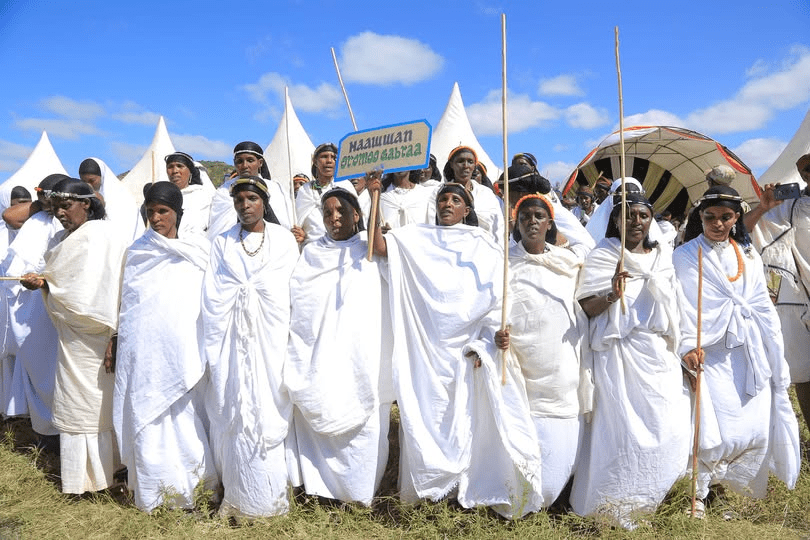
In Kenya’s Tana River County, a community of Oromo people upholds the traditions of their ancestors. While the Oromo are one of the largest ethnic groups in Ethiopia, this community’s presence in Kenya is the result of a centuries-old migration, a story kept alive by their elders.
To understand their origins, we spoke with Haji Kulisa Bona, an elder and representative of the community. He shared the oral history of how his people journeyed from their ancestral homeland.
The Great Migration and a Change of Name
Haji Kulisa explains that their ancestors migrated from a place in Ethiopia known as “Tula Saglan” or “Megga.” As he states, “We are Ethiopians whose history here began 523 years ago. We came from Mega, passed through Moyal, and finally settled where we live now.”
This journey was not taken lightly. According to tradition, the community’s wise leaders, the Abba Geda, initially opposed the migration. A pivotal moment came when a scholar named ‘Kotte Golo Wata’ was sent to a group known as the Warda, who had already left. His mission was to convince them to return.
The Warda’s response was definitive. Haji Kulisa recounts, “They refused, saying, ‘Even if you stay with us for seven days, we will not come back. We are Oromo, from you, and we are Oromo.'” It was after this separation that the name “Oromo” was fully embraced, replacing their previous identifier, “Warda.”
The Parting of Brothers and a Prophecy
The separation was formalized in a poignant ceremony. Haji Kulisa describes the words of the wise men: “We are born as brothers. We cannot be parted by force. Let us live apart, but let us not hate each other. Instead, let us visit and know one another’s situation.”
A prophecy was made at this parting 512 years ago: two children, a red Warda boy and a black Borana boy, would one day be the key to reuniting the divided people.
Two Migratory Paths
The migrants then split into two main groups:
· The Anna Akkar group, led by Lemmeeso, attempted to reach the “sea of Salalu” (likely Sudan) but were thwarted by floods. They eventually settled in areas of Kenya like Mandera County and Wajir.
· The Anna Bakke group successfully crossed the Salalu sea and settled in what is now Jubaland, Somalia.
Haji Kulisa notes that these groups faced subsequent pressures, including conflicts with other tribes like the Jarrol, which led to further dispersal and the loss of some traditional practices like the Gada system.
The Fulfillment of the Prophecy and a Hope for Unity
Today, it has been 523 years since the initial migration, and over 200,000 Oromos live in Tana River County. Haji Kulisa believes the ancient prophecy is coming true.
He reveals that a decade ago, he traveled to Borana in Ethiopia and met with the community there, fulfilling the prophecy of the two “children” reconnecting. “They said the day of Oromo unity is coming soon,” Haji Kulisa states.
Expressing the community’s deepest wish, he concludes: “We have been separated before. Now we know each other. We want the Oromo people to come together, to know one another, and not to fight. The day for the Oromos to unite has come.”




 Advocacy for Oromia