Understanding True Peace for the Oromo People
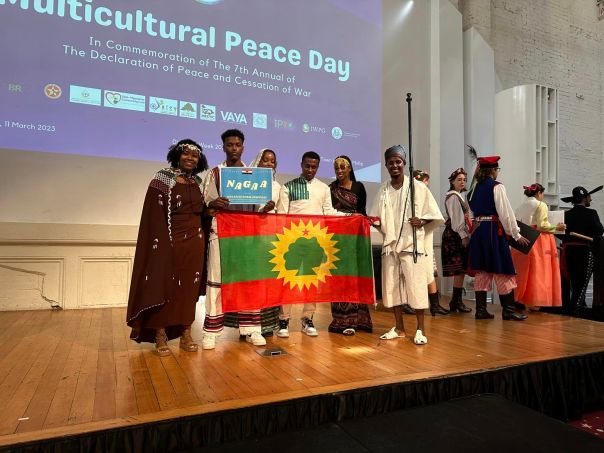
For the Oromo people, true peace is not merely the absence of conflict but the presence of justice, equality, and self-determination. It encompasses the resolution of historical grievances, the recognition of Oromo identity and rights, and the establishment of a society where the Oromo people can thrive politically, economically, and culturally. Here’s a deeper exploration of what true peace means for the Oromo people:
1. Justice and Accountability
- Addressing Historical Injustices: True peace requires acknowledging and addressing the historical marginalization, land dispossession, and cultural suppression faced by the Oromo people since the expansion of the Ethiopian Empire in the late 19th century.
- Transitional Justice: Implementing mechanisms for truth, reconciliation, and reparations to heal the wounds of the past and hold perpetrators of human rights abuses accountable.
2. Self-Determination and Political Representation
- Right to Self-Determination: True peace means respecting the Oromo people’s right to self-determination, as enshrined in the Ethiopian Constitution. This includes the ability to govern themselves and make decisions about their political, economic, and cultural future.
- Inclusive Governance: Ensuring fair and equitable representation of the Oromo people in all levels of government, both within Oromia and at the federal level in Ethiopia.
3. Economic Equity and Development
- Land Rights: Resolving land ownership and use issues, particularly in Oromia, to prevent displacement and ensure that the Oromo people benefit from their natural resources.
- Economic Empowerment: Promoting equitable economic development in Oromia, including job creation, infrastructure development, and access to education and healthcare.
4. Cultural and Linguistic Rights
- Cultural Revival: True peace involves the preservation and promotion of Oromo culture, language (Afaan Oromo), and traditions, which have been historically suppressed.
- Language Rights: Ensuring that Afaan Oromo is used in education, media, and government, fostering a sense of pride and identity among the Oromo people.
5. Security and Stability
- Ending Violence: True peace requires an end to state-sponsored repression, ethnic conflicts, and human rights abuses in Oromia. This includes demilitarizing the region and establishing a professional, accountable security force.
- Community Safety: Creating a safe environment where Oromo individuals and communities can live without fear of violence or persecution.
6. Social Justice and Equality
- Equal Rights: Ensuring that the Oromo people have equal access to opportunities and resources, free from discrimination and marginalization.
- Youth and Women Empowerment: Empowering Oromo youth and women to participate fully in political, economic, and social life, ensuring their voices are heard and their contributions recognized.
7. National and International Recognition
- National Dialogue: Facilitating a national dialogue to address ethnic tensions and build a more inclusive and equitable Ethiopia, where the rights of all ethnic groups are respected.
- International Support: Garnering support from the international community to recognize and uphold the rights of the Oromo people, ensuring that their struggle for justice and equality is acknowledged globally.
8. Grassroots Engagement and Community Building
- Community Involvement: Ensuring that grassroots organizations, elders, and community leaders are actively involved in peacebuilding and decision-making processes.
- Reconciliation: Promoting reconciliation and unity within the Oromo community and between the Oromo and other ethnic groups in Ethiopia.
9. Sustainable Development and Environmental Justice
- Environmental Protection: Addressing environmental degradation and ensuring sustainable development in Oromia, where the Oromo people can benefit from their natural resources without exploitation.
- Climate Resilience: Building resilience to climate change and ensuring that Oromo farmers and communities are supported in adapting to environmental challenges.
10. A Vision for the Future
- Intergenerational Justice: True peace means creating a future where Oromo children can grow up in a society that values their identity, culture, and rights, free from the burdens of past injustices.
- Hope and Aspiration: It involves fostering a sense of hope and aspiration among the Oromo people, where they can envision and work towards a brighter future.
Challenges to Achieving True Peace
While the vision of true peace is clear, there are significant challenges to achieving it:
- Political Will: The willingness of the Ethiopian government and other political actors to address Oromo grievances and implement meaningful reforms.
- Internal Divisions: The need for unity and solidarity within the Oromo community and among different ethnic groups in Ethiopia.
- Resource Constraints: Ensuring that the necessary resources are available to support economic development, justice mechanisms, and peacebuilding efforts.
Conclusion
For the Oromo people, true peace is a comprehensive and transformative concept that goes beyond the absence of conflict. It involves justice, equality, self-determination, and the recognition of their cultural and political rights. Achieving true peace requires addressing historical injustices, promoting inclusive governance, and fostering economic and social development. By working towards these goals, the Oromo people can build a future where they can live with dignity, security, and hope.




 Advocacy for Oromia