What shared struggles or dreams already exist in Oromo nation?
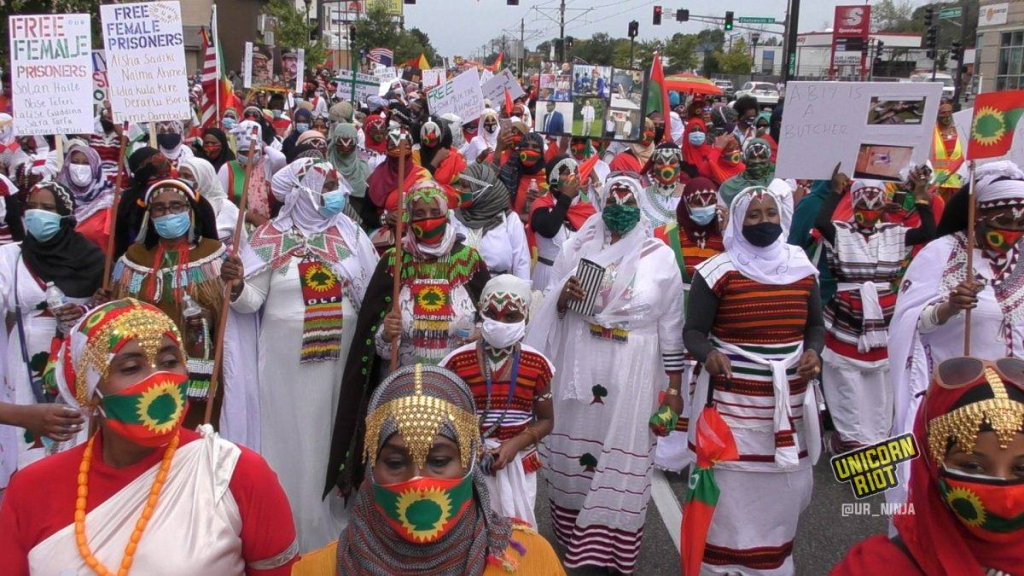
The Oromo community—both in Ethiopia and across the diaspora—shares **struggles rooted in historical oppression** but also **collective dreams of justice, self-determination, and cultural flourishing**. Here’s a breakdown of key shared experiences and aspirations:
### **Shared Struggles**
1. **Historical Marginalization**
– Centuries of systemic exclusion under Ethiopian empires (e.g., land dispossession, banned language *Afaan Oromo* pre-1991).
– Ongoing political repression (e.g., killings, arrests of Oromo leaders like Jawar Mohammed, shutdowns of Oromo media).
2. **Displacement & Refugee Crises**
– Thousands fleeing violence (e.g., 2014–2018 Oromo protests, Tigray war spillover) to Kenya, Sudan, and beyond.
– Asylum seekers facing detention/deportation (e.g., Saudi Arabia’s raids on Oromo migrants).
3. **Cultural Erasure**
– *Gadaa system* (Oromo indigenous governance) was suppressed for decades; now fighting for UNESCO recognition.
– Stereotypes labeling Oromo activism as “separatism” rather than calls for federal rights.
### **Shared Dreams**
1. **Self-Determination Within Ethiopia**
– Meaningful autonomy under Ethiopia’s federal system (e.g., Oromia’s control over resources, language, education).
– An end to militarized violence in Oromia (e.g., OLA conflict, mass arrests).
2. **Cultural Revival**
– *Afaan Oromo* as a national working language (progress since 1991 but uneven implementation).
– Global recognition of *Gadaa* as a model of democracy and environmental stewardship.
3. **Diaspora Unity & Advocacy**
– Leveraging global Oromo networks (e.g., #OromoProtests, lobbying for HR 6600/S 3199 in the U.S.).
– Supporting Oromo refugees’ integration abroad while preserving identity.
4. **Justice & Accountability**
– Truth commissions for atrocities (e.g., 2002–2016 Oromo genocide claims).
– Economic equity (e.g., Addis Ababa land disputes, Oromo exclusion from industries).
### **Bridges to a Common Narrative**
– **Unifying Symbols**: The *Oromo flag*, *Fincila Diddaa Gabruma* (resistance hymns), and *Irreecha* (thanksgiving festival) as shared heritage.
– **Shared Oppression**: The 2014–2018 protests showed unity across religions/classes against tyranny.
– **Diaspora Role**: Oromo scholars/artists (e.g., Shay Bensusan, Jawar Mohammed) reframing global narratives.
### **How to Leverage This for Shared Identity**
1. **Truth-Telling Projects**: Document oral histories of *Qeerroo* (youth movement) elders and refugees.
2. **Solidarity Campaigns**: Partner with Amhara, Somali activists on shared federalist goals.
3. **Cultural Diplomacy**: Push UNESCO to recognize *Gadaa* as intangible heritage.




 Advocacy for Oromia