Why do we remember Mr. Dabessa Gemelal in Oromo history?
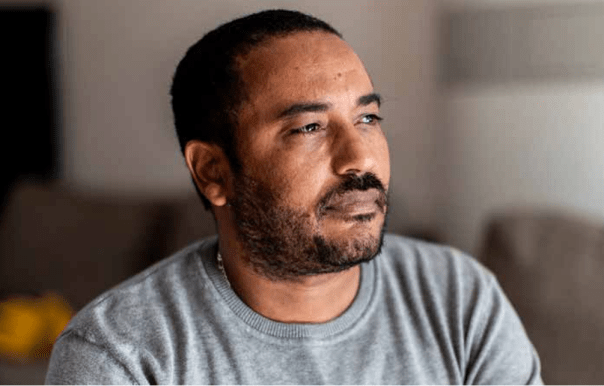
We remember Mr. Dabessa Gemelal (also spelled Dhabessa/Wakjira/Dabasssa) in Oromo history as a courageous journalist, a steadfast political prisoner, and a dedicated cultural activist whose life story embodies the multifaceted struggle of the Oromo people for freedom of expression, justice, and cultural preservation.
His legacy is not defined by a single dramatic event, but by a consistent and resilient commitment across different spheres, even in the face of severe persecution.
Here is a breakdown of why he holds a significant place in Oromo collective memory:
1. A Voice for the Voiceless: Journalism and Exposing Truth
Dabessa Gemelal worked as a journalist and editor for the Afaan Oromo desk at Ethiopian Television (ETV) during a time when the Oromo voice was systematically suppressed.
- Witness to Injustice: He risked his career and safety to report on critical issues like the famine in Eastern and Southern Oromia and other human rights violations.
- Censorship and Defiance: His reports were often blocked by government censors who claimed they “harmed their politics.” This experience highlighted the Ethiopian state’s active role in silencing information about Oromo suffering, making him a symbol of the struggle for media freedom and truth-telling.
2. The Ultimate Price: Enduring Political Imprisonment
His arrest and imprisonment are central to his legacy.
- Targeted for His Work: He was abducted, detained, and tortured for three years (2004-2007) on suspicion of “sympathizing with the OLF.” This was a direct reprisal for his journalism and his perceived political views.
- Resilience Under Duress: Enduring 125 court appearances over a single case demonstrates the Kafkaesque legal persecution faced by Oromo activists. His ability to survive this ordeal made him a symbol of resilience and unwavering commitment.
3. Cultural Preservation as Resistance: Writing and Waaqeffannaa
Even in prison, he continued his activism through cultural work.
- Author in Captivity: He wrote the book “Daaniyaa” on the culture and religion of Waaqeffannaa, which was published in 2006 while he was still imprisoned. This act was a powerful form of resistance—using incarceration as a site for preserving and promoting Oromo spiritual heritage.
- Unpublished Works: He also wrote “Jaarraa Oromummaa” (The Age of Oromummaa) in prison, cementing his role as an intellectual and chronicler of the Oromo political consciousness.
4. Diaspora Activism: Sustaining the Struggle in Exile
After fleeing Ethiopia, he continued his work tirelessly in the diaspora (Nairobi and later Australia).
- Multi-faceted Organizer: He was instrumental in:
- Preparing news for the Voice of Oromo Liberation.
- Organizing key commemorations like Oromo Martyrs’ Day (April 15) and Waaqeffannaa festivals (Hulluuqoo).
- Editing and preparing magazines like Dungoo, Xirroo, and Waaqomsaa, which were vital for intellectual discourse and cultural continuity.
- Founding Institutions: He played a key role in founding the Gumii Waaqeffannaa Assembly, working to institutionalize and revitalize Oromo traditional religion.
5. A Life of Continuous Service: Integration and Advocacy
His later life in Australia demonstrates that his commitment was lifelong.
- Community Service: He translated his advocacy into professional social work, working as a case manager and senior settlement case manager, directly helping refugees and newcomers.
- Sustained Volunteerism: He continued to volunteer with Oromo Voice Radio and the Advocacy for Oromia Association, proving that his dedication to his community never wavered.
Summary: Why We Remember Him
Mr. Dabessa Gemelal is remembered as a quintessential “organic intellectual” of the Oromo struggle. His life story represents a bridge between:
- Journalism and Activism
- Political Prison and Cultural Production
- The Struggle in Oromia and the Diaspora Advocacy
He is not just a martyr who suffered, but a persistent doer who used every tool at his disposal—the camera, the pen, the radio, and community organization—to advance the cause of Oromo freedom, cultural dignity, and truth.
Remembering him is to remember the countless Oromo journalists, writers, and cultural workers who have risked everything to ensure their people’s story is told and their heritage survives. His legacy is a testament to the unbreakable spirit of the Oromo people.




 Advocacy for Oromia