Monthly Archives: September 2024

Irreecha Is Inclusive Festival: Scholars

Addis Ababa, October 7/2023 (ENA)- Irreecha festival, which is the annual Oromo people ‘Thanksgiving Day’ is a culture of inclusivity, according to scholars.

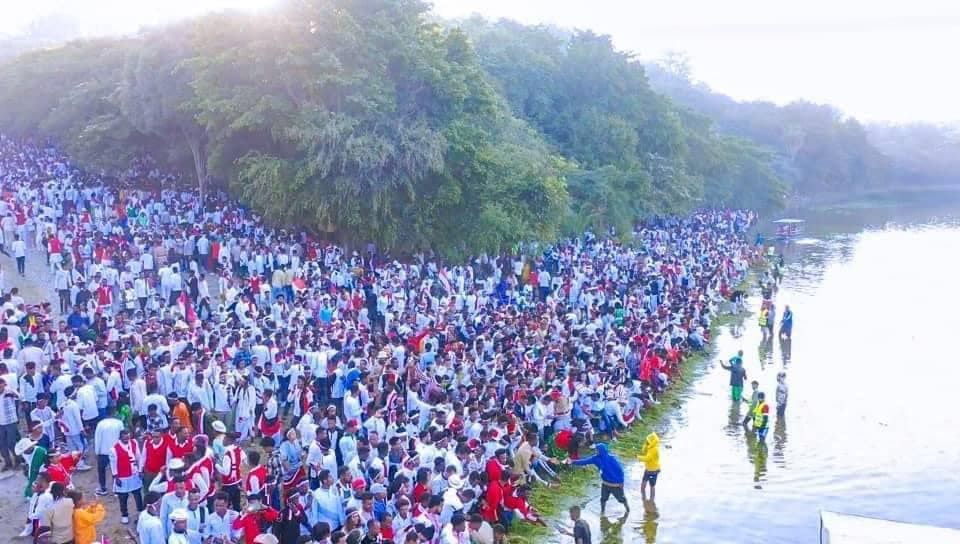
Irreechaa is an annual festival celebrated to mark the end of the rainy season and the beginning of the harvesting season. The festival is observed to thank God for his blessings that the people cherish.

This year’s Irreechaa is being celebrated in Addis Ababa and Bishoftu town of Oromia region.

In an exclusive interview with ENA, Haramaya University Vice President, Professor Jeylan Woldyie said Irreechaa, which is principally the Oromo culture is a culture of inclusivity.

The festival promotes cultural and moral unity as the Oromo people together with other people of Ethiopia and beyond are able to come together and share values, and understanding.
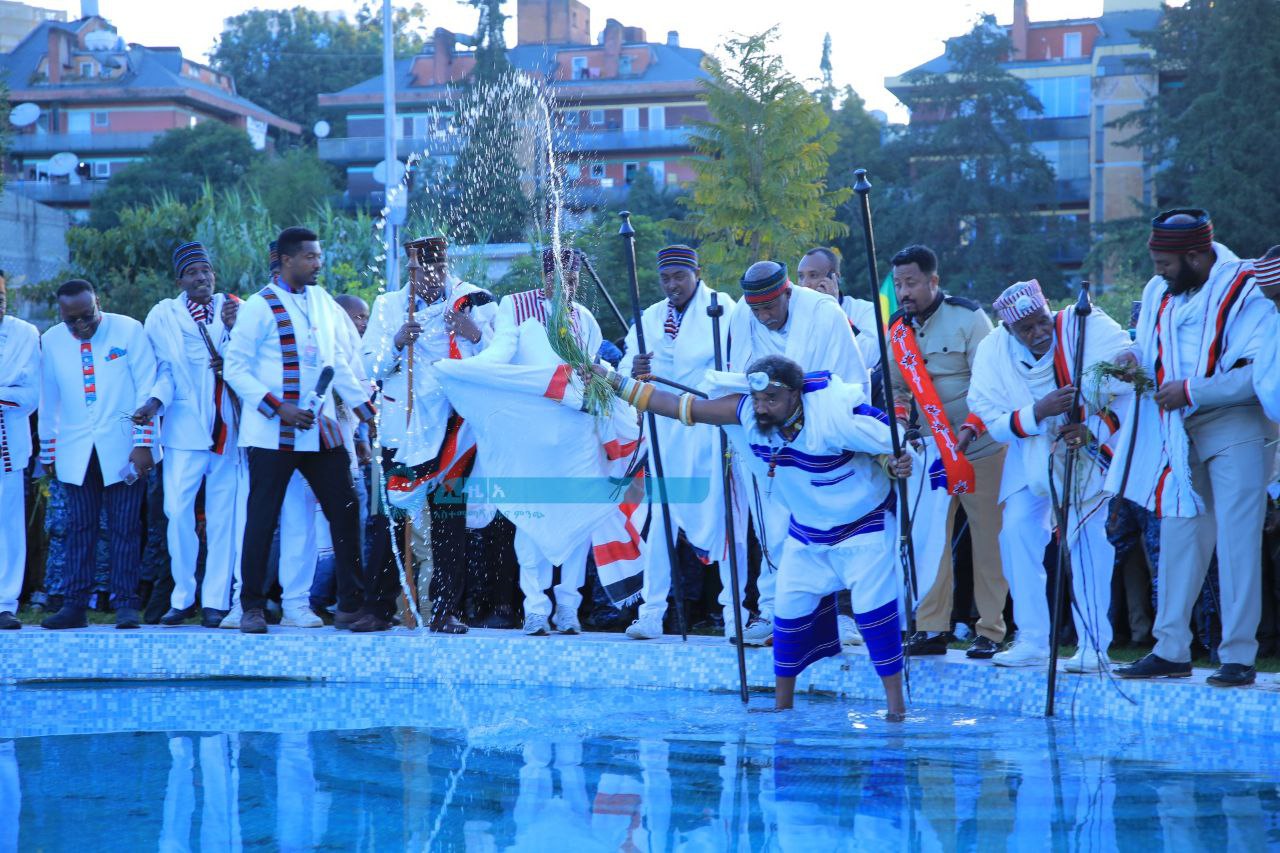
Due to this, “Irreechaa is the culture of inclusivity. All people irrespective of their place of origin, irrespective of the language, irrespective of their face, are not only included in the celebration but they are embraced.”

Irreecha festival transcends linguistic, cultural and territorial boundaries; it transcends cultural boundaries he said, adding that all people irrespective of where they come from are united around the principle of peace, mutuality and coexistence which are deeply embedded in the Irreecha culture.

“People coming from all civilizations, all age groups are brought together and allowed to exercise their values, moralities. That’s why we say it’s the culture of creativity.”
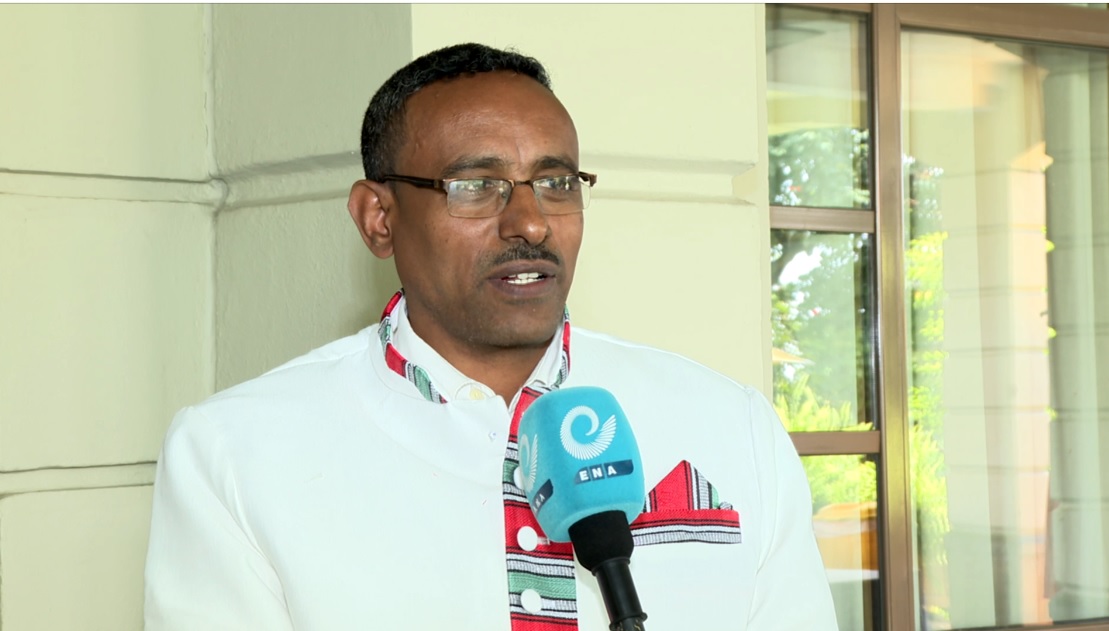
Associate Professor at the Addis Ababa University Tadesse Jaleta said for his part Irreechaa is an inclusive national festival because it includes all persons coming from different religious, cultural backgrounds or different ages and sex.

“Any person participates in Irreechaa. Irreechaa includes not only human being but also nature. It is a symbol of the combination of nature and the human beings. It is a festival where human beings express a unity to nature and give thanks to God. That’s why we say Irreecha is an inclusive national festival,” he stated.

Moreover, he elaborated that the values of Irreechaa are applicable to people of all cultures.
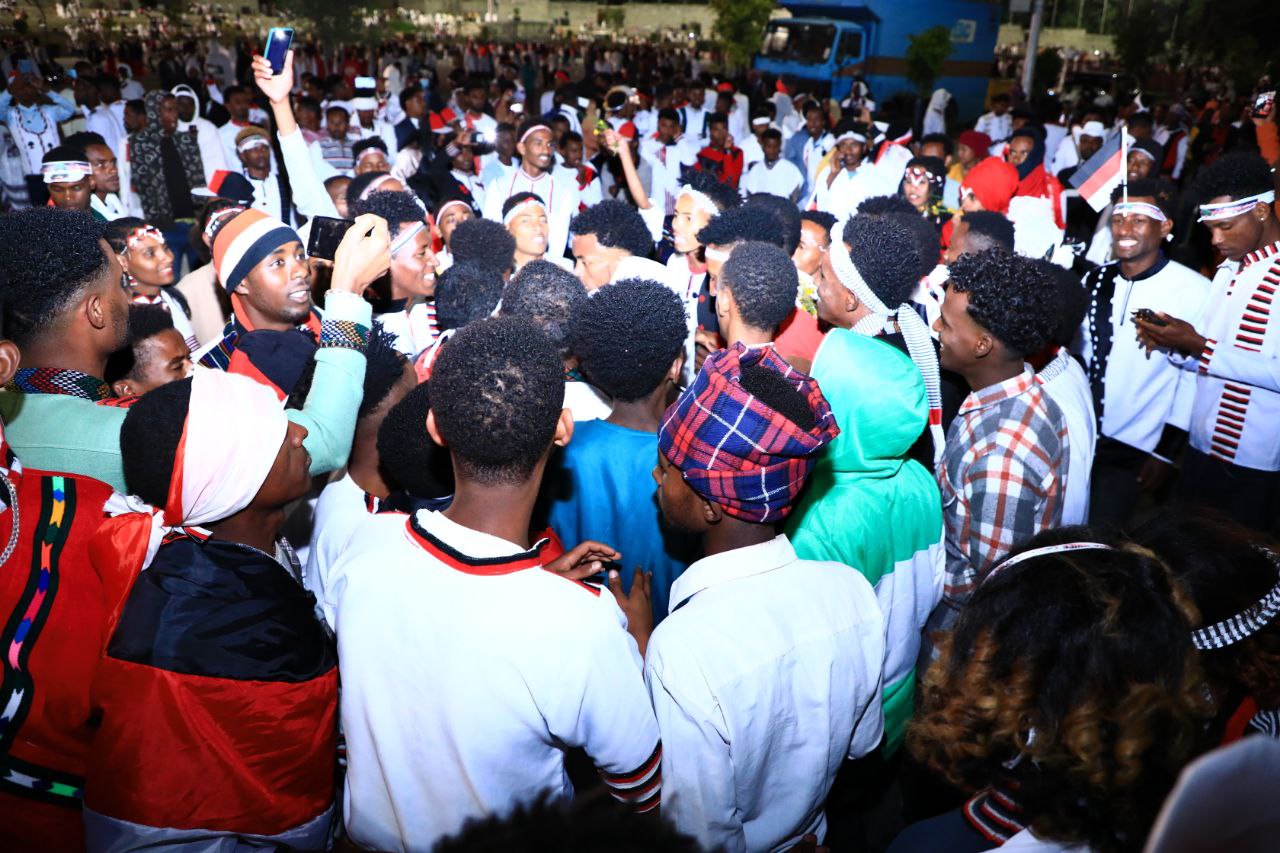
“It is about peace. It’s about unity, it’s about love. It is about being respectful and being brother with other people. These values are applicable to all people. Irreechaa is useful not only to Oromo but to all nations, and nationalities of the country.”

The festival unites different cultures and brings different people together, Tadesse indicated adding that people from different cultures and languages learn, enjoy and express their beauty with each other.

It is one of the best festivities of Ethiopia where cultural singing and dancing are common.

This grand festival attracts a large number of the Oromo people and people from all parts of the country regardless of age, religion, political affiliations and sex to come together and celebrate the festival with extraordinary love, chanting and unity.
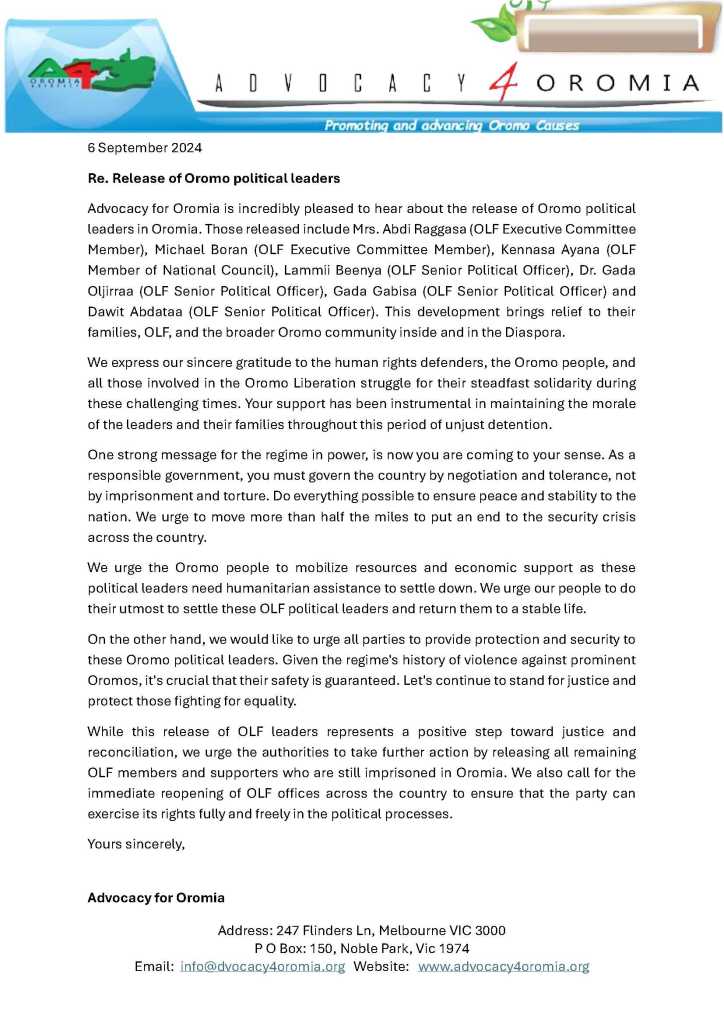
Re. Release of Oromo political leaders

The annual Oromo Irreechaa festival is approaching this month.

The 2024 Irreecha festival is going to be celebrated in a warm and special atmosphere in Oromia and abroad.
The annual Oromo Irreechaa festival, the Oromo Thanksgiving Day, in Oromia and diaspora is approaching this month. Irreechaa is not merely a festival; it is the vibrant heart of Oromo culture, a celebration that transcends mere tradition to embody the essence of gratitude, unity, and renewal.
As the Oromo people gather each year to honor this grand occasion, they connect deeply with their history and the rhythms of nature, marking a profound celebration of life and harmony.
Irreechaa, the Oromo Thanksgiving Day, is celebrated twice annually: once at the banks of rivers or lakes during Irreecha Malkaa/Birraa in late September, and again on mountain tops or hills during Irreecha Tuulluu/Arfaasaa in autumn. The former, occurring at the close of winter and the dawn of spring, is a tribute to the end of the rainy season and the promise of new beginnings. The latter, celebrated in the dry season, heralds the approach of winter, symbolizing reflection and preparation.
The term "Irreechaa" itself conjures images of verdant green, symbolizing fertility and thriving life, nourished by the blessings of Waaqaa, the Creator. This ancient festival, with roots extending over 6,000 years, was momentarily eclipsed during the late 19th century when the Oromo were integrated into the Abyssinian Empire. However, the spirit of Irreechaa has persisted, thriving in Oromia and among the Oromo diaspora worldwide, from North America to Europe.
Central to the celebration is the belief that every element of creation is imbued with the spirit of Waaqaa. The Oromo consider that the divine essence resides in natural elements such as the sea, great rivers, and mountain peaks. Thus, Irreechaa is celebrated at these sacred places—rivers and mountains—where the Oromo people express their gratitude and seek blessings.
The essence of Irreechaa lies in giving thanks to Waaqaa for guiding the Oromo people through the trials of winter, for the sustenance provided throughout the year, and for the transition to a season of growth and harvest. It is a time to appreciate the divine for the survival of families, the flourishing of crops, and the bounty of the spring season. Beyond gratitude, Irreechaa also serves as a celebration of the forthcoming harvest and a joyous welcome to the new season.
The rainy season, stretching from June to September, is seen as a challenging period marked by floods and isolation. It is during this time that Irreechaa provides a platform for peace, reconciliation, and renewal. The festival is renowned for its emphasis on unity and the restoration of harmony. Elders and Abbaa Gadaas (community leaders) play a crucial role, offering blessings and promoting the values of peace and coexistence.
Irreechaa also serves as a communal stage for significant life events, including naming ceremonies, weddings, and matchmaking. It is a moment when the community comes together to celebrate Oromummaa (Oromoness) and sabboonummaa (nationality), transcending differences in age, sex, religion, or social status. It embodies a collective affirmation of unity, respect, and shared heritage.
The celebration culminates at major sites like Hora Finfinnee and Lake Arsadi, where thousands of Oromos converge. The evening of Irreechaa is a poignant moment of reflection and reconciliation. Elders ask the community whether they are at peace with one another and with Waaqaa. Those with unresolved conflicts are encouraged to seek resolution before the festivities begin, underscoring the festival’s commitment to harmony.
Irreechaa is a powerful expression of Oromo cultural values, a living testament to the strength and unity of the Oromo people. It is a celebration that not only acknowledges the past and the present but also renews the bonds of community and the shared joy of life’s blessings.
Festivals of peace are a wonderful way to understand other cultures, and the values that matter to them.