Oromo Unity and Self-Governance: A Path Forward
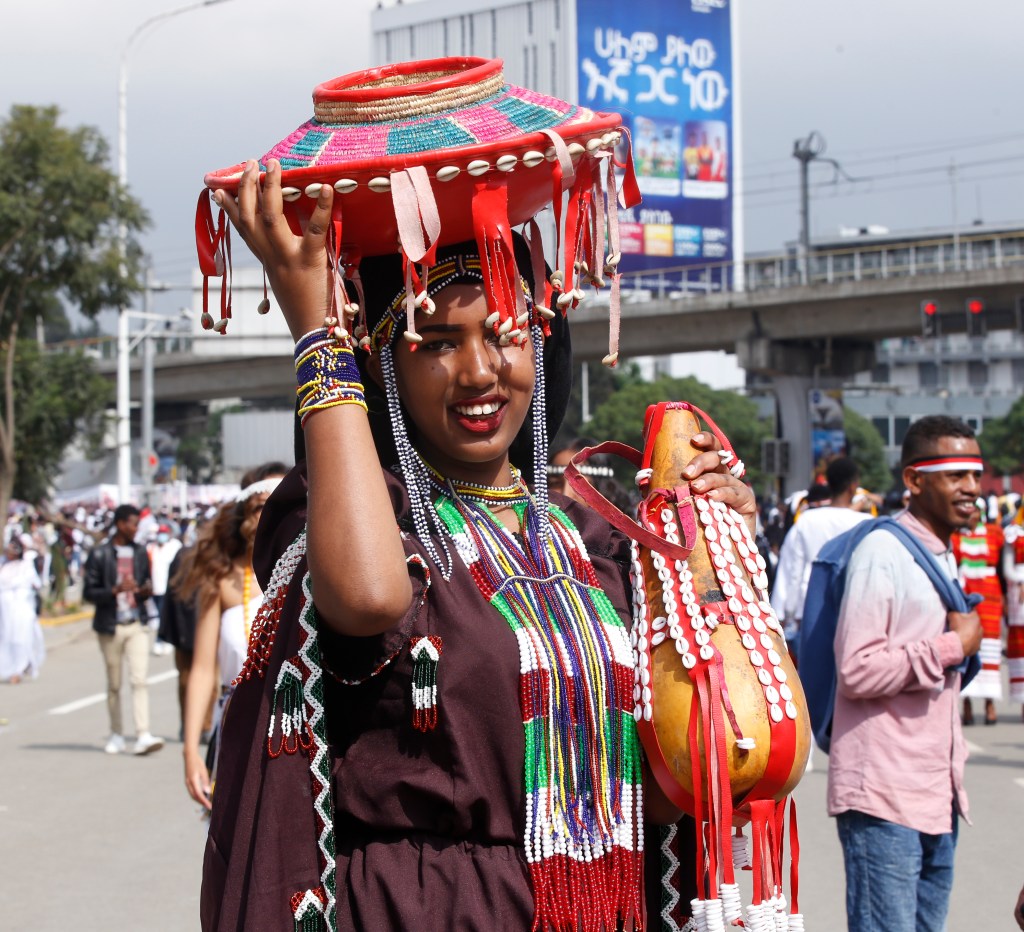
Achieving self-governance for the Oromo people in Ethiopia is a complex process that requires a multifaceted approach involving political, social, and economic strategies. Here are 15 points outlining what the Oromo must do to work toward self-governance, emphasizing unity, advocacy, organization, and dialogue.
### 1. **Unity Among Oromo Groups**
To effectively push for self-governance, the Oromo community must foster unity among various political parties, organizations, and grassroots movements. A coordinated approach with a shared vision and objectives can amplify their demands and enhance their negotiating power.
### 2. **Build Strong Political Institutions**
Establishing and strengthening Oromo political institutions and parties is crucial. These entities should focus on ideological coherence and strategic policy-making while representing the interests of the Oromo people.
### 3. **Promote Civic Education**
Educating the Oromo populace about their rights, governance structures, and political engagement is essential. Civic education initiatives can empower citizens to participate actively in governance, demand accountability, and understand the importance of self-governance.
### 4. **Engage in Negotiations with the Government**
Oromo leaders must engage in direct and constructive negotiations with Ethiopian government officials to articulate their aspirations for self-governance. Presenting a clear, unified set of demands can enhance the legitimacy of their claims.
### 5. **Leverage International Support**
Building relationships with international organizations, foreign governments, and diaspora communities can provide the Oromo movement with external pressure on the Ethiopian government to recognize their demands. This could include raising awareness about human rights violations and advocating for Oromo autonomy.
### 6. **Utilize Legal Frameworks**
Oromo leaders should leverage Ethiopia’s constitution, which provides for ethnic federalism and the right to self-determination. Engaging in legal battles to assert these rights can strengthen their claims and establish a precedent for autonomy.
### 7. **Develop Economic Strategies**
Creating sustainable economic models within Oromo regions can demonstrate the viability of self-governance. Focusing on local resources, agriculture, and trade can build economic resilience and show that the Oromo can thrive independently.
### 8. **Foster Inter-Ethnic Dialogue**
Promoting dialogue with other ethnic groups can decrease tensions and create alliances. Engaging in collaborative projects that benefit multiple communities can help build a coalition in favor of a more decentralized governance structure.
### 9. **Cultural Promotion and Preservation**
Oromo culture, language, and heritage need active promotion. Fostering a sense of cultural pride can mobilize support for self-governance and appeal to broader audiences, emphasizing the unique identity of the Oromo people.
### 10. **Strengthen Civil Society Organizations**
Developing robust civil society organizations focused on Oromo rights and self-governance can facilitate grassroots activism. These organizations can engage in advocacy, education, and protection of ethnic rights.
### 11. **Compile and Present Data**
Collecting data about the socio-economic conditions in Oromia and using this information to demonstrate the need for self-governance can make a compelling case. Presenting evidence to various stakeholders may help facilitate discussions around autonomy.
### 12. **Empower Youth and Women**
Engaging youth and women more actively in political processes and governance discussions is essential. Their involvement can bring fresh ideas, strengthen community ties, and ensure a more inclusive approach to governance.
### 13. **Form Alliances with Political Parties**
Collaborating with other political parties that support federalism and regional autonomy can create a broader political base. Seeking partnerships with organizations that share similar goals can amplify their voice and visibility.
### 14. **Monitor Political Developments**
Staying informed about local, national, and international political developments is critical. Understanding the political landscape in Ethiopia and the global context can aid in strategic planning and response to challenges that arise.
### 15. **Commit to Non-Violent Protest and Advocacy**
Adopting a non-violent approach in advocating for self-governance can increase support and legitimacy. This includes organizing peaceful protests, engaging in dialogue, and leveraging media to spread awareness of their cause.
### Conclusion
Achieving self-governance for the Oromo people necessitates a comprehensive approach that combines unity, advocacy, legal strategies, cultural promotion, and economic development. By building strong institutions and engaging constructively with stakeholders, the Oromo can effectively articulate their aspirations and work toward greater autonomy within Ethiopia. The journey toward self-governance will require resilience, strategic planning, and a commitment to peaceful dialogue, ultimately contributing to a more inclusive and equitable Ethiopian state.

Posted on December 29, 2024, in Uncategorized. Bookmark the permalink. Leave a comment.




 Advocacy for Oromia
Leave a comment
Comments 0