20 Principles to Foster Oromo Unity
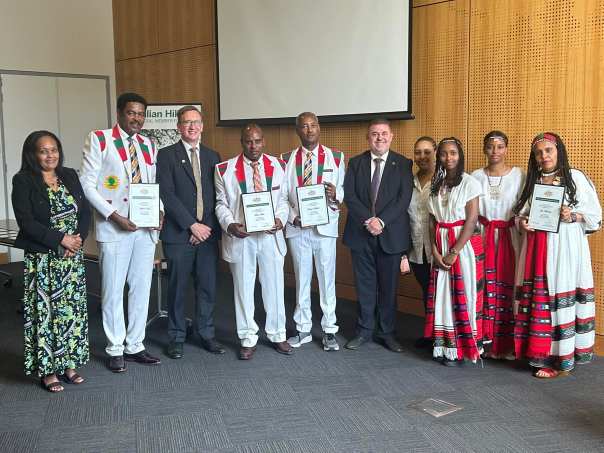
Oromo Unity
By Aliye Geleto
### Introduction
The Oromo people are one of the largest ethnic groups in the Horn of Africa, primarily found in Ethiopia. Despite their rich cultural heritage and significant historical presence, the Oromo have faced numerous challenges that have hindered their unity and collective progress. To address these challenges and foster a sense of solidarity among the Oromo, it is essential to focus on unifying principles that harness their diverse strengths and aspirations. This document outlines 20 key points that can contribute to Oromo unity, emphasizing culture, political engagement, economic collaboration, and social cohesion.
### 1. Cultural Preservation and Promotion
**Cultural Heritage:** The Oromo have a rich cultural heritage with unique traditions, languages, music, and arts. Promoting and preserving this cultural wealth is vital for unity. Celebrating festivals, traditional practices, and arts can foster a sense of belonging and shared identity among the Oromo.
### 2. Language Unity
**Language as a Unifier:** Oromiffa ( Afaan Oromo) is the primary language of the Oromo people. Promoting the use of Oromiffa in education, media, and public discourse can strengthen communication and unite different Oromo sub-groups. It can also enhance pride in their identity and facilitate political and social discourse.
### 3. Historical Reconciliation
**Acknowledging Past Grievances:** The history of the Oromo is marked by struggles against oppression and marginalization. A unified approach to understanding these historical injustices can promote healing and reconciliation. Establishing forums for dialogue and education about Oromo history can help unify different factions within the community.
### 4. Political Awareness and Engagement
**Empowerment through Politics:** Encouraging political engagement and awareness is crucial for the Oromo people. This includes educating the community about their rights, the political system, and the importance of voting. Active participation in democratic processes can strengthen the Oromo voice in national politics.
### 5. Building Strong Institutions
**Institutional Development:** Establishing and strengthening Oromo organizations, both at local and national levels, can provide a framework for collective action. These institutions can serve as platforms for advocacy, resource mobilization, and community development, reinforcing unity among the Oromo.
### 6. Economic Collaboration
**Cooperative Economies:** The creation of cooperative economic ventures can foster economic unity among the Oromo. Encouraging businesses to work together and share resources can enhance economic stability and create jobs, which are essential for community development.
### 7. Education Equity
**Access to Education:** Expanding access to quality education for all Oromo children, regardless of their background, is crucial for long-term unity. Supporting educational initiatives that reflect the Oromo culture and language can empower future generations and foster a sense of shared identity.
### 8. Gender Inclusivity
**Empowering Women:** Promoting gender equality and empowering women within the Oromo community is essential for unity. Women’s contributions to social, economic, and political spheres should be recognized and supported. Gender-based organizations can help amplify women’s voices and ensure their involvement in decision-making processes.
### 9. Youth Engagement
**Youth as Catalysts for Change:** The Oromo youth represent a significant demographic and hold the potential to drive change. Creating platforms for youth engagement, leadership training, and participation in social issues can energize the community and foster a culture of activism and unity.
### 10. Respect for Diversity within the Oromo
**Acknowledge Internal Diversity:** The Oromo are not a monolithic group; they comprise various sub-groups, cultures, and traditions. Acknowledging and respecting this diversity while promoting a common Oromo identity can enhance social cohesion and reduce internal conflicts.
### 11. Strengthening Religious Tolerance
**Interfaith Dialogues:** The Oromo community encompasses multiple religions, including Christianity, Islam, and traditional beliefs. Promoting religious tolerance and understanding through interfaith dialogues can strengthen bonds among different groups, fostering unity and cooperation.
### 12. Conflict Resolution Mechanisms
**Peacebuilding Initiatives:** Establishing conflict resolution mechanisms within the community is essential for addressing grievances. Through dialogue, mediation, and peacebuilding initiatives, the Oromo can resolve conflicts amicably, contributing to a more cohesive society.
### 13. Fostering a Strong Oromo Identity
**Civic Education:** Teaching the youth about their heritage, history, and the significance of Oromo identity can foster pride and commitment to unity. Civic education programs that emphasize the importance of community and solidarity can shape a cohesive identity.
### 14. Promoting Volunteerism
**Community Service:** Encouraging volunteerism within the community can foster unity and a sense of responsibility toward one another. Engaging in community service projects can strengthen bonds among individuals and promote collective well-being.
### 15. Utilization of Media for Advocacy
**Social Media Campaigns:** Utilizing media, especially social media, as a tool for advocacy can promote unity. Campaigns that highlight shared goals, achievements, and challenges common to the Oromo people can rally support and create a collective identity.
### 16. Health Initiatives
**Healthcare Accessibility:** Improving healthcare access and quality for the Oromo population is crucial. Collaborating on health initiatives and creating awareness campaigns can strengthen the community’s overall well-being and unity.
### 17. Protecting the Environment
**Sustainable Practices:** Promoting environmental conservation and sustainable practices within the community can unify the Oromo around common interests. Collaborative efforts to protect their lands and natural resources can strengthen their sense of belonging and shared responsibility.
### 18. Forming Alliances with Other Ethnic Groups
**Building Bridges:** Forming alliances and partnerships with other ethnic groups in Ethiopia can create a united front advocating for mutual interests. Understanding and solidarity among different ethnic communities can foster a more inclusive national dialogue.
### 19. Celebrating Oromo Achievements
**Recognition of Success:** Highlighting and celebrating the achievements of the Oromo people in various fields can inspire hope and pride in their capabilities. Recognition of progress can enhance unity and motivate individuals to contribute to the community’s development.
### 20. Leading by Example
**Community Leadership:** Leaders within the Oromo community should exemplify unity, integrity, and inclusivity in their actions. By setting a positive example, they can inspire others to engage in unifying initiatives and work toward common goals.
### Conclusion
Fostering unity among the Oromo people is a multifaceted endeavor that requires collective action, commitment, and a shared vision of progress. By embracing and implementing these 20 points, the Oromo can navigate their challenges, celebrate their rich heritage, and work toward a prosperous and unified future. Unity among the Oromo will not only benefit the community but will also contribute to the broader social and political stability of Ethiopia and the Horn of Africa.

Posted on January 17, 2025, in Uncategorized. Bookmark the permalink. Leave a comment.




 Advocacy for Oromia
Leave a comment
Comments 0