Daily Archives: January 18, 2025
Shocking Executions Highlight Ethiopia’s Violence


The two Amanuels
By Tullu Liban
Amanuel Wondimu of Dembidollo and Amanuel Ephrem of Boji Birmeji are executed in the same fashion by government forces. What a horror!
We have witnessed quite a number disturbing of slaughters over the last few years. When such free and barbaric killings are conducted by savage elements words fail you to express your utmost anger, grief and frustration. Such is a moment when you give up on your country and any of its functionary apparatuses. Such is a moment when you are forced to condemn the horrible acts in all possible terms.
What is this insanity? Is there a moral ground for the Ethiopian security forces to claim they are enforcing law and order? Is an extra judicary killing of such type a reward for blood thirsty beasts in human image and clothing? Does this kind of violence grant legitimacy to the regime? Can it stop resented citizens from protesting the suppression they are doomed to? Is brutal killing of the youth before their parents in the open a solution to the crisis the regime is indulged in? Is it how the Ethiopian security forces are trained to discharge their responsibilities?
Just a challenge. Can the Ethiopian parliament speak up to the commander-in-chief of the armed forces to get explanation about the legal framework, if any, that granted unlimited power and unaccountability leverage for free killing? How does he communicate with the security forces he is heading from top of the helmet?

Navigating Career Paths: Oromo Youth in Australia
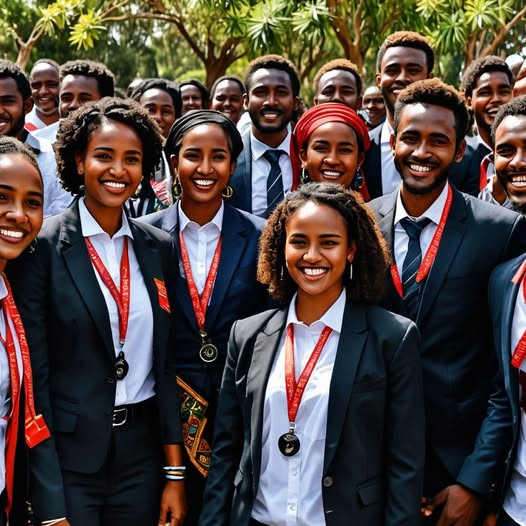
Preparing Oromo youth for successful careers in Australia by 2030 involves a multifaceted approach that combines education, skill development, cultural awareness, and personal growth.
As the global job market continues to evolve, it is crucial for the Oromo community to equip its youth with the tools, knowledge, and confidence needed to thrive in an increasingly competitive environment. Below are 15 detailed points to help guide this preparation, each encompassing essential strategies and insights to empower Oromo youth in Australia.
### 1. **Education and Skills Development**
– **Pursue Quality Education**: Encourage youth to seek education that aligns with their interests and strengths. Formal education, whether through universities, vocational training, or technical colleges, should be prioritized. Knowledge in fields such as healthcare, engineering, IT, and trade skills is increasingly valuable.
– **Lifelong Learning**: Instill a culture of continuous learning. Encourage participation in workshops, online courses, and certification programs that add to their skill set. Knowledge of emerging trends, especially in technology and sustainability, will be beneficial.
### 2. **Cultural Identity and Pride**
– **Embrace Oromo Heritage**: Empower youth to take pride in their cultural identity. Encourage participation in community organizations and cultural events that celebrate Oromo heritage. A strong cultural foundation enhances self-esteem and resilience.
– **Bicultural Competence**: Prepare youth to navigate the Australian cultural landscape while honoring their Oromo roots. Understanding both cultures will facilitate better communication and integration into diverse work environments.
### 3. **Career Guidance and Mentorship**
– **Establish Mentorship Programs**: Create networks connecting Oromo youth with mentors in various professions. Mentorship provides guidance, industry insights, and support, fostering professional and personal development.
– **Career Counseling**: Offer career guidance services that help youth explore their strengths, interests, and marketable skills. This counseling should also include information about available educational and vocational pathways in Australia.
### 4. **Networking Opportunities**
– **Build Professional Networks**: Encourage involvement in community events, professional associations, and industry conferences. Networking is essential for job hunting and can lead to valuable connections in respective fields.
– **Utilize Social Media**: Teach digital literacy, including effective networking through platforms like LinkedIn. Establishing an online professional presence can broaden job opportunities and visibility in their chosen fields.
### 5. **Soft Skills Development**
– **Communication and Interpersonal Skills**: Focus on developing soft skills such as effective communication, teamwork, and problem-solving. These skills are often as important as technical expertise and are highly valued by employers.
– **Emotional Intelligence**: Encourage youth to cultivate emotional intelligence, which encompasses self-awareness, empathy, and social skills. This ability to understand and manage emotions will enhance interactions in the workplace.
### 6. **Understanding the Job Market**
– **Research Industry Trends**: Educate youth on current and future job market trends in Australia. Highlight in-demand occupations and sectors such as healthcare, renewable energy, education, and technology.
– **Job Search Strategies**: Provide training on effective job search techniques, including resume writing, interview preparation, and leveraging job portals. Knowledge of these tools increases the chances of securing employment.
### 7. **Promote STEM Education**
– **Encourage Interest in STEM**: Promote science, technology, engineering, and mathematics (STEM) fields among Oromo youth. These areas are critical to future job markets and can lead to high-paying career opportunities.
– **STEM Initiatives**: Introduce programs that engage youth in STEM through workshops, coding camps, and science fairs. Engagement in STEM at a young age fosters problem-solving skills and creativity.
### 8. **Financial Literacy**
– **Teach Financial Management**: Provide education on personal finance, budgeting, and investment. Understanding how to manage finances is vital for young adults as they transition into the workforce.
– **Entrepreneurship Education**: Inspire entrepreneurial thinking, encouraging youth to consider starting their own businesses. Provide resources and training on business planning, marketing, and financial management.
### 9. **Work Experience and Internships**
– **Promote Practical Experience**: Encourage youth to seek internships, part-time jobs, or volunteering opportunities in their fields of interest. Practical experience enhances employability and provides insight into workplace dynamics.
– **Partnerships with Employers**: Collaborate with local businesses to create internship opportunities tailored for Oromo youth. This partnership can lead to job placements and reciprocal benefits for employers seeking diverse talent.
### 10. **Digital Literacy**
– **Enhance Technological Skills**: Emphasize the importance of digital literacy in today’s job market. Equip youth with essential skills in software applications, digital communication, and online collaboration tools.
– **Cybersecurity Awareness**: With increasing reliance on technology, training in cybersecurity best practices is necessary. Teaching youth to protect personal data and privacy aligns with the digital landscape’s demand.
### 11. **Utilizing Community Resources**
– **Leverage Community Organizations**: Encourage youth to engage with community resources that offer career training, financial assistance, or educational support. Local organizations can provide valuable networks and opportunities.
– **Culturally Relevant Programs**: Develop initiatives specifically designed for Oromo youth, addressing their unique challenges and enhancing their career prospects through tailored support.
### 12. **Volunteerism and Community Service**
– **Encourage Volunteering**: Highlight the benefits of volunteering in building a resume, gaining experience, and networking. Community service fosters a sense of purpose and connectivity in the local community.
– **Leadership Development**: Promote leadership roles in volunteer activities. Leadership experience can enhance confidence and competence, traits that are attractive to future employers.
### 13. **Health and Well-being**
– **Promote Mental Health Awareness**: Address the importance of mental well-being and provide resources for support. Ensuring that youth are mentally healthy will allow them to focus on career development.
– **Work-life Balance**: Teach the importance of maintaining a healthy work-life balance. Encourage participation in recreational activities, hobbies, and community engagement to support overall well-being.
### 14. **Understanding Rights and Responsibilities**
– **Employee Rights Education**: Inform youth about their rights in the workplace, including fair pay, anti-discrimination laws, and workplace safety. Knowledge of these rights empowers them to advocate for themselves.
– **Civic Engagement**: Encourage engagement in civic activities and an understanding of their responsibilities as citizens. Knowledge of governmental structures and voting rights incentivizes active participation in society.
### 15. **Celebrating Successes**
– **Recognize Achievements**: Celebrate the accomplishments of Oromo youth as they navigate their career paths. Recognizing achievements, no matter how small, fosters motivation and a sense of community support.
– **Role Models and Success Stories**: Highlight success stories of successful Oromo professionals in various fields. Showcasing role models inspires youth to aspire to similar achievements and provides tangible examples of potential pathways.
### Conclusion
Preparing Oromo youth for careers in Australia by 2030 requires a holistic approach that encompasses education, cultural identity, skills development, and community engagement. By fostering a supportive environment that encourages learning, networking, and personal growth, we can equip young people with the tools they need to succeed in a diverse and competitive job market.
Additionally, collaboration among families, community organizations, educational institutions, and local businesses is crucial for creating opportunities tailored to the needs of Oromo youth. As they gain confidence and competence, they will not only enhance their own futures but also contribute positively to the broader Australian society. By focusing on these 15 key points, we can empower the next generation of Oromo leaders and professionals to achieve their dreams and aspirations in Australia by 2030.




 Advocacy for Oromia