Honoring 50 Years of OLF Sacrifices in Oromo Struggle
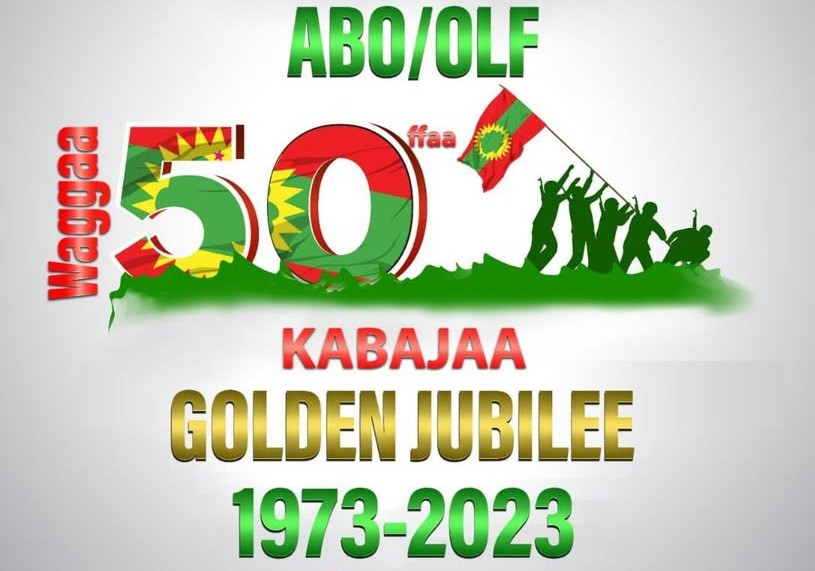
How do we remember the sacrifices of the OLF in the 50 years of the Oromo liberation struggle?
Remembering the sacrifices of the Oromo Liberation Front (OLF) and honoring their role in the 50 years of the Oromo liberation struggle is crucial for preserving the history, resilience, and aspirations of the Oromo people. The OLF, founded in 1973, has been a central force in the fight for Oromo self-determination, cultural preservation, and political rights. Below are ways to commemorate and honor their sacrifices:
- Document and Preserve History
Oral Histories: Collect and record the testimonies of OLF members, veterans, and their families to preserve firsthand accounts of the struggle.
Written Records: Support historians, scholars, and writers in documenting the history of the OLF, including its formation, key battles, political strategies, and challenges.
Archives: Establish digital and physical archives to store documents, photographs, videos, and other materials related to the OLF’s activities.
- Commemorative Events and Ceremonies
Anniversaries: Organize annual events to mark the founding of the OLF (August 1973) and other significant dates in the Oromo liberation struggle.
Memorials: Build monuments, museums, or cultural centers dedicated to the OLF and its fallen heroes.
Cultural Celebrations: Incorporate the remembrance of OLF sacrifices into Oromo cultural festivals like Irreecha, where songs, poems, and performances can honor their legacy.
- Education and Awareness
Curriculum Development: Advocate for the inclusion of the OLF’s history and the Oromo liberation struggle in school and university curricula, both in Ethiopia and in the diaspora.
Public Lectures and Seminars: Host events where scholars, activists, and former OLF members can share their knowledge and experiences.
Media and Publications: Produce documentaries, books, articles, and social media content to educate younger generations about the OLF’s role in the struggle.
- Honoring Fallen Heroes
Heroes’ Day: Designate a day to honor OLF members who lost their lives in the struggle, similar to Martyr’s Day observed by other liberation movements.
Naming Institutions: Name schools, hospitals, streets, and community centers after OLF leaders and martyrs to keep their memory alive.
Support Families: Provide support to the families of fallen OLF members, including financial assistance, educational opportunities, and public recognition.
- Art and Cultural Expression
Music and Poetry: Encourage artists to create songs, poems, and plays that celebrate the sacrifices of the OLF and inspire future generations.
Visual Arts: Support painters, sculptors, and filmmakers to produce works that depict the OLF’s struggle and its significance to the Oromo people.
Storytelling: Use traditional Oromo storytelling methods to pass down the history and values of the OLF to younger generations.
- Political and Social Advocacy
Continue the Struggle: Honor the OLF’s sacrifices by continuing to advocate for the goals they fought for, such as self-determination, equality, and justice for the Oromo people.
Unity and Solidarity: Promote unity among Oromo political organizations and the broader Oromo community to ensure that the sacrifices of the OLF are not in vain.
Human Rights Advocacy: Highlight the OLF’s role in fighting against oppression and use their legacy to advocate for human rights and democracy in Ethiopia.
- Recognition and Reconciliation
National Recognition: Advocate for the Ethiopian government and international bodies to formally recognize the sacrifices of the OLF and their contributions to the struggle for freedom and equality.
Reconciliation Efforts: Use the memory of the OLF’s sacrifices to promote reconciliation and dialogue among different ethnic and political groups in Ethiopia.
- Diaspora Engagement
Global Commemoration: Encourage the Oromo diaspora to organize events, exhibitions, and discussions about the OLF’s role in the liberation struggle.
Fundraising: Mobilize resources from the diaspora to support memorial projects, educational initiatives, and families of OLF martyrs.
- Symbolic Acts
Flags and Symbols: Use the OLF flag and other symbols of the struggle in commemorative events to remind people of the movement’s enduring legacy.
Moments of Silence: Observe moments of silence during public gatherings to honor those who sacrificed their lives for the Oromo cause.
- Inspire Future Generations
Youth Engagement: Educate Oromo youth about the OLF’s history and encourage them to take up the mantle of leadership in the ongoing struggle for justice and equality.
Role Models: Highlight the stories of OLF leaders and members as role models of courage, resilience, and dedication to the Oromo cause.
Conclusion
The sacrifices of the OLF over the past 50 years are a testament to the Oromo people’s unwavering commitment to freedom, justice, and self-determination. By remembering and honoring these sacrifices, we not only pay tribute to those who fought and died for the cause but also ensure that their legacy inspires future generations to continue the struggle for a just and equitable society. The Oromo liberation struggle is a story of resilience, and the OLF’s role in it must never be forgotten.

Posted on January 29, 2025, in Uncategorized. Bookmark the permalink. Leave a comment.




 Advocacy for Oromia
Leave a comment
Comments 0