Oromo Struggle: Sacrifices for Self-Determination
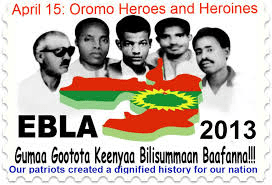
The Oromo struggle for self-determination, cultural recognition, and political rights has been a long and arduous journey, marked by significant sacrifices by Oromo fighters and activists. These sacrifices have taken various forms, including loss of life, imprisonment, displacement, and enduring immense personal hardship. Below are some key ways in which Oromo fighters and activists have sacrificed to promote the Oromo struggle:
1. Loss of Life
- Armed Resistance: Many Oromo fighters have lost their lives in armed resistance against oppressive regimes. Groups like the Oromo Liberation Front (OLF) and others have engaged in armed struggle to fight for the rights of the Oromo people, often facing superior military forces.
- Massacres and Extrajudicial Killings: Oromo activists and civilians have been targeted in massacres and extrajudicial killings by government forces. Notable incidents include the 2004 massacre in the Oromia region and the widespread killings during the 2015-2018 Oromo protests.
2. Imprisonment and Torture
- Political Prisoners: Many Oromo fighters and activists have been imprisoned for their political beliefs and activities. Prominent figures like Bekele Gerba, a leader of the Oromo Federalist Congress, have spent years in prison under harsh conditions.
- Torture and Abuse: Detained Oromo activists often face torture and inhumane treatment. Reports of physical and psychological abuse in Ethiopian prisons are common, aimed at breaking their spirit and deterring others from joining the struggle.
3. Displacement and Exile
- Internal Displacement: Many Oromo families have been displaced from their homes due to conflict and government crackdowns. These internally displaced persons (IDPs) often live in dire conditions, lacking access to basic necessities.
- Refugees: Thousands of Oromo people have fled to neighboring countries like Kenya, Sudan, and South Sudan, as well as to distant countries, to escape persecution. Living in exile often means separation from family and community, and facing uncertain futures.
4. Economic Hardship
- Loss of Livelihood: Many Oromo fighters and activists have abandoned their livelihoods to join the struggle. Farmers, students, and professionals have left their jobs and studies, facing economic hardship and uncertainty.
- Destruction of Property: Government forces have destroyed homes, farms, and businesses belonging to Oromo families suspected of supporting the struggle, leading to significant economic losses.
5. Social and Psychological Impact
- Family Separation: The struggle has led to the separation of families, with members often scattered across different regions or countries. This separation causes emotional and psychological distress.
- Trauma: The constant threat of violence, imprisonment, and loss has left deep psychological scars on many Oromo fighters and their families. The trauma of war and persecution affects mental health and well-being.
6. Cultural Suppression
- Suppression of Oromo Culture: The Ethiopian government has historically suppressed Oromo culture, language, and traditions. Oromo fighters and activists have worked tirelessly to preserve and promote their cultural heritage, often at great personal risk.
- Attacks on Cultural Institutions: Oromo cultural institutions and leaders have been targeted, with efforts to erase Oromo identity and history. Despite this, Oromo fighters have continued to resist and promote their culture.
7. Sacrifices in Education
- Interrupted Education: Many young Oromo students have had their education interrupted due to their involvement in the struggle or because of government crackdowns on schools and universities.
- Targeting of Students: Oromo students have been particularly targeted during protests, with many killed, arrested, or expelled from educational institutions for participating in demonstrations.
8. International Advocacy
- Exile Activism: Many Oromo activists in exile have dedicated their lives to advocating for the Oromo cause on the international stage. They work to raise awareness, lobby governments, and seek support from international organizations, often facing significant challenges and risks.
- Documentation and Reporting: Activists have documented human rights abuses and shared their findings with international bodies, often at great personal risk. This documentation is crucial for holding perpetrators accountable and seeking justice.
Conclusion
The sacrifices made by Oromo fighters and activists are a testament to their resilience and commitment to justice, equality, and self-determination. Their efforts have brought international attention to the Oromo struggle and have inspired a new generation of activists. While the path to achieving their goals remains challenging, the sacrifices of these individuals continue to fuel the movement for a better future for the Oromo people.

Posted on January 29, 2025, in Uncategorized. Bookmark the permalink. Leave a comment.




 Advocacy for Oromia
Leave a comment
Comments 0