Daily Archives: January 30, 2025
Understanding Qanafa Culture in Oromo Society
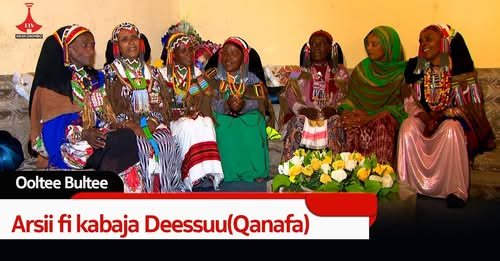
The Qanafa culture is a beautiful and deeply rooted tradition within the Oromo community that embodies the values of community support, solidarity, and care, particularly during significant life events such as childbirth, weddings, or times of hardship. The term “Qanafa” refers to the collective effort of community members coming together to provide assistance, whether it be emotional, physical, or material, to individuals or families in need. This tradition is a cornerstone of Oromo society and reflects the communal ethos of the Oromo people.
Key Aspects of Qanafa Culture
- Community Solidarity and Mutual Support
- Collective Responsibility: Qanafa emphasizes the idea that the well-being of an individual or family is the responsibility of the entire community. It fosters a sense of unity and shared purpose.
- Helping Hands: During events like childbirth, illness, or bereavement, community members come together to offer practical help, such as cooking, cleaning, or providing resources.
- Emotional and Spiritual Support
- Blessings and Prayers: In the context of childbirth, as described in your friend Marta Ingida’s experience, local women gather to offer blessings, prayers, and encouragement to the mother and the newborn. This creates a nurturing and supportive environment.
- Shared Joy and Sorrow: Qanafa is not limited to times of hardship; it also extends to celebrations like weddings, where the community shares in the joy of the family.
- Preservation of Cultural Practices
- Traditional Knowledge: Qanafa often involves the use of traditional practices, such as preparing special foods, performing rituals, or sharing wisdom passed down through generations.
- Cultural Identity: By participating in Qanafa, the Oromo people reaffirm their cultural identity and strengthen their connection to their heritage.
- Empowerment of Women
- Women’s Role: In many cases, Qanafa is led by women, who play a central role in organizing and providing support during events like childbirth. This highlights the importance of women in Oromo society as caregivers and community leaders.
- Intergenerational Bonding: Older women often guide younger women during these events, passing on knowledge and traditions.
- Economic and Practical Assistance
- Resource Sharing: Qanafa often involves sharing resources, such as food, clothing, or money, to alleviate the burden on the family in need.
- Labor Sharing: Community members may contribute their time and labor to help with tasks like farming, building, or household chores.
Qanafa in the Context of Childbirth
The example you shared, where Marta Ingida participated in a traditional Oromo service during childbirth, is a perfect illustration of Qanafa in action. Here’s how it typically works:
- Preparation: Local women gather to prepare traditional foods, such as Injera, Waaddii, or Mooraa, which are believed to nourish and strengthen the mother.
- Blessings and Rituals: The women offer blessings and prayers for the mother and the newborn, ensuring their health and well-being.
- Assistance: They provide practical help, such as caring for the mother, cleaning the home, or looking after other children in the family.
- Celebration: The birth of a child is celebrated as a communal event, with singing, dancing, and sharing of stories.
Benefits of Qanafa Culture
- Strengthens Community Bonds: Qanafa fosters a sense of belonging and unity, ensuring that no one faces challenges alone.
- Preserves Cultural Heritage: It keeps traditional practices and values alive, passing them down to future generations.
- Provides Emotional Comfort: The presence of community members during significant life events offers emotional support and reassurance.
- Promotes Gender Roles: It highlights the vital role of women in maintaining and nurturing the community.
- Encourages Generosity and Compassion: Qanafa teaches the importance of giving and sharing, reinforcing the values of empathy and kindness.
Modern Relevance of Qanafa
While urbanization and modernization have impacted traditional practices, Qanafa remains a vital part of Oromo culture. In diaspora communities, such as those in Australia, the United States, or Europe, Oromo people continue to practice Qanafa by supporting one another during weddings, funerals, or other significant events. This helps maintain their cultural identity and provides a sense of home in foreign lands.
Conclusion
The Qanafa culture is a testament to the Oromo people’s deep sense of community, compassion, and resilience. It is a tradition that not only provides practical and emotional support but also strengthens cultural identity and unity. The experience shared by Marta Ingida in Adaabbaa, Oromia, highlights the enduring importance of Qanafa in celebrating life, supporting one another, and preserving the rich heritage of the Oromo people. This tradition serves as a reminder of the power of collective care and the beauty of communal living.

Understanding the Controversy Surrounding Jawar Mohammed

Jawar Mohammed is a prominent Oromo activist, media entrepreneur, and political figure whose role in the Oromo struggle for justice, equality, and self-determination has made him both a celebrated and controversial figure within the Oromo community and beyond. His political stance and actions have sparked debate and division for several reasons:
1. Perceived Shifts in Political Allegiances
- From Activist to Politician: Jawar began as a grassroots activist and founder of the Oromia Media Network (OMN), which played a critical role in mobilizing the Oromo protests of 2014–2018. However, his transition into formal politics, particularly his association with the Oromo Federalist Congress (OFC) and later the Oromo Liberation Front (OLF), led some to question his motives and consistency.
- Alignment with Abiy Ahmed: Jawar was initially seen as a key supporter of Prime Minister Abiy Ahmed, who came to power in 2018 amid widespread Oromo protests. However, their relationship soured, and Jawar became a vocal critic of Abiy’s government, leading to accusations from some quarters that he was opportunistic or inconsistent in his alliances.
2. Criticism of His Leadership Style
- Centralization of Power: Some critics argue that Jawar has concentrated too much influence within himself, sidelining other Oromo leaders and organizations. This has led to concerns about a lack of inclusivity and democratic decision-making within the Oromo political landscape.
- Polarizing Rhetoric: Jawar’s speeches and statements have sometimes been seen as divisive, particularly when addressing ethnic tensions or criticizing other political groups. This has alienated some Oromos and non-Oromos who favor a more unifying approach.
3. Controversial Role in the 2018–2020 Political Crisis
- October 2019 Unrest: In October 2019, Jawar claimed that the government was attempting to withdraw his security detail, which he interpreted as a threat to his life. This sparked widespread protests and violence, particularly in Oromia, leading to accusations that he had incited unrest.
- Arrest and Detention: Jawar was arrested in July 2020 following the assassination of Hachalu Hundessa, a prominent Oromo musician and activist. His arrest and subsequent detention further polarized opinions, with some viewing him as a political prisoner and others accusing him of fueling ethnic violence.
4. Ethnic Nationalism vs. Pan-Ethiopianism
- Advocacy for Oromo Rights: Jawar is a strong advocate for Oromo self-determination and has been critical of what he sees as the historical marginalization of the Oromo people. While this resonates with many Oromos, it has also led to accusations of promoting ethnic nationalism at the expense of national unity.
- Tensions with Other Ethnic Groups: Some non-Oromo Ethiopians view Jawar’s rhetoric as exclusionary or divisive, contributing to ethnic tensions in a country already struggling with inter-ethnic conflicts.
5. Media Influence and Accountability
- OMN’s Role: As the founder of the Oromia Media Network, Jawar has wielded significant influence over Oromo public opinion. While many credit OMN with amplifying the Oromo struggle, others criticize it for biased reporting or for being a tool to advance Jawar’s political agenda.
- Lack of Transparency: Some critics argue that Jawar’s media and political activities lack transparency, raising questions about funding, accountability, and the balance between activism and journalism.
6. Differing Visions for Oromia and Ethiopia
- Federalism vs. Centralization: Jawar advocates for a strong federal system that grants significant autonomy to Oromia and other regions. This stance is controversial among those who favor a more centralized Ethiopian state.
- Oromo Unity: While Jawar has worked to unify the Oromo political movement, his efforts have sometimes been seen as exclusionary or dismissive of other Oromo leaders and organizations, leading to internal divisions.
7. Perception of External Influence
- Diaspora Connections: Jawar’s background as a diaspora-based activist has led to suspicions among some Ethiopians that he is influenced by foreign agendas or lacks a deep understanding of the realities on the ground in Ethiopia.
- Funding and Support: Questions have been raised about the sources of funding for Jawar’s media and political activities, with some accusing him of being backed by external actors with their own interests.
8. Impact on the Oromo Youth (Qeerroo)
- Youth Mobilization: Jawar has been instrumental in mobilizing the Oromo youth (Qeerroo), who played a central role in the 2014–2018 protests. While many youth see him as a champion of their cause, others criticize him for exploiting their energy and idealism for his own political gain.
- Unrealistic Expectations: Some argue that Jawar’s rhetoric has raised unrealistic expectations among the Oromo youth, leading to frustration and disillusionment when these expectations are not met.
Conclusion
Jawar Mohammed’s political stance and actions are controversial because they sit at the intersection of deeply complex issues: ethnic identity, federalism, historical grievances, and the future of Ethiopia. While many Oromos view him as a fearless advocate for their rights and a symbol of resistance against oppression, others see him as a polarizing figure whose actions and rhetoric have exacerbated divisions within the Oromo community and Ethiopia at large. His legacy will likely remain a subject of debate as the Oromo struggle for justice and self-determination continues to evolve.
Benefits of Holidays for Oromo Family Health
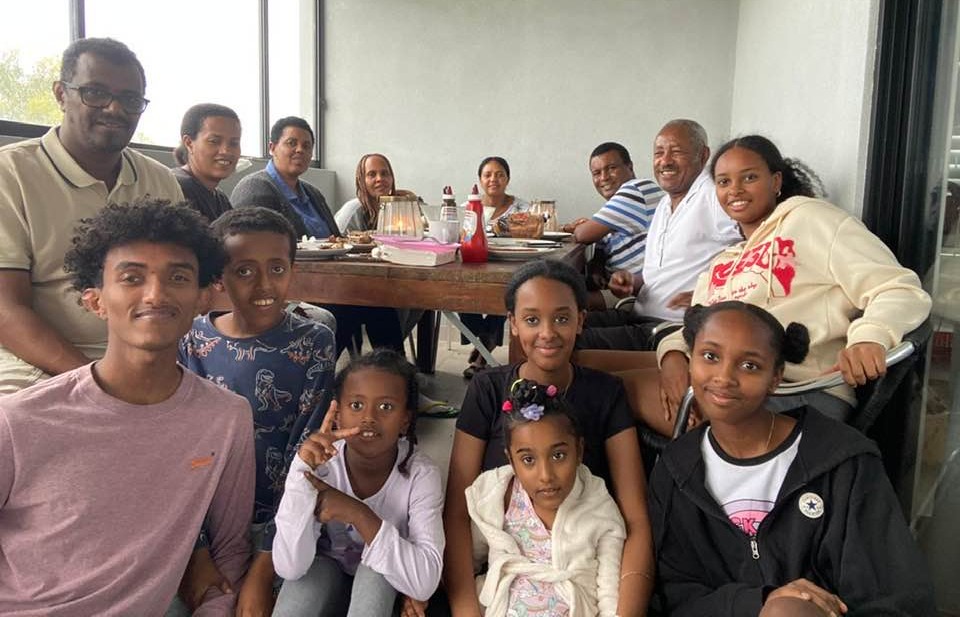
Going on holiday or engaging in recreational activities with family plays a significant role in promoting family health, strengthening the family unit, and contributing to the overall wellbeing of the Oromo community. In the context of the Oromo people, who have faced historical challenges such as displacement, marginalization, and political oppression, family and community bonds are especially important. Here’s how holidays and recreation contribute to these aspects:
1. Promoting Family Health
- Physical Health: Holidays and recreation often involve physical activities such as hiking, swimming, or playing sports, which improve physical fitness and overall health.
- Mental Health: Taking a break from daily stressors through recreation reduces anxiety, depression, and burnout. It provides an opportunity for relaxation and rejuvenation.
- Emotional Wellbeing: Spending quality time together in a relaxed environment strengthens emotional bonds and creates positive memories, which contribute to long-term emotional health.
2. Strengthening the Family Unit
- Quality Time: Holidays and recreation provide uninterrupted time for families to connect, communicate, and bond. This is especially important in today’s fast-paced world, where family members may have limited time together.
- Building Trust and Understanding: Shared experiences during holidays foster trust, empathy, and understanding among family members, helping to resolve conflicts and strengthen relationships.
- Cultural Transmission: For Oromo families, holidays and recreation can be an opportunity to teach children about their culture, traditions, and values, ensuring the preservation of Oromo heritage.
3. Enhancing Community Wellbeing
- Strengthening Social Bonds: When Oromo families engage in group activities or community-organized recreational events, it fosters a sense of belonging and solidarity within the community.
- Cultural Celebrations: Holidays and recreation often coincide with cultural festivals like Irreecha, where the Oromo community comes together to celebrate their heritage. These events reinforce cultural identity and unity.
- Support Networks: Recreational activities provide opportunities for families to connect with others in the community, building support networks that can help during times of need.
4. Resilience and Coping
- Stress Relief: For Oromo families who have experienced trauma, displacement, or political oppression, holidays and recreation offer a chance to heal and rebuild resilience.
- Positive Outlook: Engaging in enjoyable activities helps families maintain a positive outlook on life, which is crucial for coping with challenges and adversity.
5. Economic and Social Benefits
- Local Economy: When Oromo families go on holiday or participate in recreational activities within their region, it supports local businesses and contributes to the economic development of Oromia.
- Community Development: Community-organized recreational events, such as sports tournaments or cultural festivals, can foster pride and investment in local infrastructure and resources.
6. Intergenerational Connection
- Bridging Generations: Holidays and recreation provide opportunities for elders to share stories, wisdom, and traditions with younger generations, ensuring the continuity of Oromo culture.
- Youth Engagement: Involving youth in recreational activities helps them stay connected to their roots and fosters a sense of responsibility towards their family and community.
7. Spiritual and Cultural Renewal
- Connection to Nature: Many Oromo recreational activities, such as visiting natural landmarks or participating in outdoor festivals, emphasize a connection to nature, which is central to Oromo spirituality and culture.
- Cultural Pride: Holidays and recreation often include elements of Oromo culture, such as traditional music, dance, and clothing, reinforcing cultural pride and identity.
Examples of Recreational Activities for Oromo Families
- Cultural Festivals: Participating in Irreecha, weddings, or other cultural celebrations.
- Nature Trips: Visiting natural sites like lakes, mountains, or forests, which are abundant in Oromia.
- Sports and Games: Engaging in traditional Oromo games or modern sports as a family or community.
- Community Gatherings: Attending community picnics, storytelling sessions, or music and dance events.
- Travel and Exploration: Exploring historical sites or other regions within Oromia or Ethiopia to learn about their heritage.
Challenges and Considerations
- Accessibility: Not all families may have the resources or time to go on holidays or participate in recreational activities. Community support and affordable options can help address this.
- Balancing Tradition and Modernity: While embracing modern recreational activities, it’s important to ensure that traditional Oromo values and practices are preserved.
- Safety and Security: In regions affected by conflict or instability, ensuring the safety of families during holidays and recreation is a priority.
Conclusion
Going on holiday or engaging in recreational activities with family is not just a leisure activity; it is a vital component of family health, unity, and community wellbeing. For the Oromo community, these activities provide an opportunity to heal, connect, and celebrate their rich cultural heritage. By prioritizing family and community recreation, the Oromo people can build stronger, healthier, and more resilient families and communities, ensuring a brighter future for generations to come.
Celebrating Oromo Heritage Through Traditional Attire
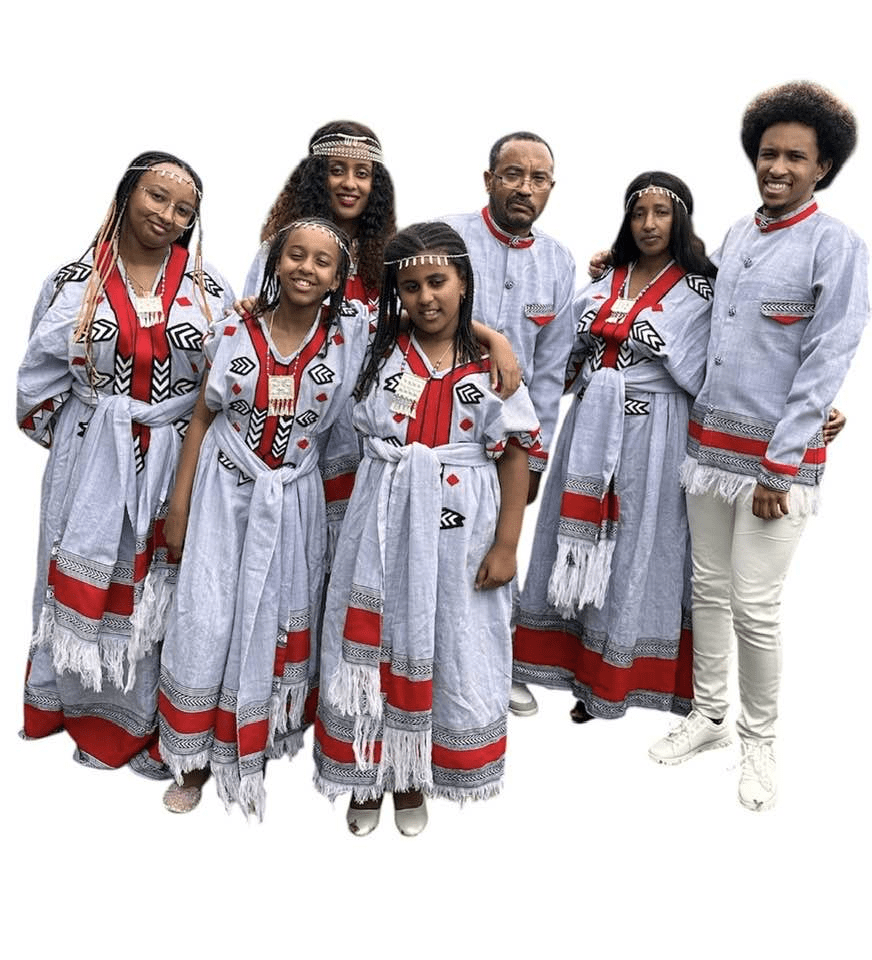
Cultural clothing plays a vital role in visualizing, promoting, and strengthening the identity and unity of the Oromo community. It serves as a powerful symbol of heritage, pride, and resilience, connecting Oromo people to their roots and to each other. Here’s how cultural clothing contributes to the Oromo community:
1. Visual Representation of Oromo Identity
- Cultural Symbolism: Traditional Oromo clothing, such as the Horo (a decorative shawl) and Waara (a traditional robe), carries deep cultural and symbolic meanings. These garments often feature unique patterns, colors, and designs that reflect Oromo history, values, and way of life.
- Distinct Identity: Wearing cultural clothing distinguishes the Oromo people from other ethnic groups, making their identity visible and recognizable in diverse settings, including festivals, protests, and international events.
2. Promoting Cultural Pride and Awareness
- Celebrating Heritage: Cultural clothing is often worn during important Oromo celebrations, such as Irreecha (the Oromo Thanksgiving festival), weddings, and other cultural events. This helps to preserve and promote Oromo traditions and fosters a sense of pride among community members.
- Educating Others: By wearing traditional attire, Oromo individuals and groups can educate others about their culture, history, and values, raising awareness and appreciation for Oromo heritage.
3. Strengthening Unity and Solidarity
- Shared Identity: Cultural clothing serves as a unifying symbol for the Oromo people, reminding them of their shared history, struggles, and aspirations. It fosters a sense of belonging and solidarity, especially in the diaspora where Oromo communities may be dispersed.
- Collective Expression: During protests, rallies, and cultural events, wearing traditional clothing creates a powerful visual statement of unity and collective resistance against oppression and marginalization.
4. Empowering the Oromo Community
- Cultural Revival: In the face of historical suppression, wearing traditional clothing is an act of cultural revival and resistance. It empowers the Oromo people to reclaim their identity and assert their presence in society.
- Economic Empowerment: The production and sale of traditional Oromo clothing can provide economic opportunities for artisans, weavers, and small businesses within the community, contributing to sustainable development.
5. Connecting Generations
- Intergenerational Bonding: Cultural clothing helps bridge the gap between older and younger generations. Elders can pass down the knowledge of traditional attire and its significance, while youth can embrace and modernize these styles, ensuring their continuity.
- Youth Engagement: By wearing traditional clothing, Oromo youth can connect with their heritage and develop a stronger sense of identity, which is crucial for the preservation of Oromo culture.
6. Global Representation
- Diaspora Identity: For the Oromo diaspora, wearing traditional clothing is a way to maintain a connection to their homeland and express their identity in multicultural settings. It also helps to introduce Oromo culture to a global audience.
- International Events: At international conferences, cultural festivals, and diplomatic events, Oromo representatives wearing traditional attire can showcase their culture and advocate for their rights on a global stage.
7. Resistance and Resilience
- Symbol of Resistance: During times of political oppression, wearing traditional Oromo clothing has been a form of peaceful resistance, asserting the community’s identity and demanding recognition and justice.
- Resilience and Hope: Cultural clothing symbolizes the resilience of the Oromo people, who have endured centuries of marginalization but continue to celebrate and preserve their heritage.
8. Modern Adaptations and Innovation
- Fusion Fashion: Many Oromo designers and fashion enthusiasts are blending traditional elements with modern styles, creating innovative designs that appeal to younger generations while maintaining cultural significance.
- Global Influence: Oromo cultural clothing is gaining recognition in the global fashion industry, showcasing the creativity and artistry of the Oromo people and bringing their culture to a wider audience.
Examples of Oromo Cultural Clothing
- Horo: A decorative shawl worn by Oromo women, often featuring intricate embroidery and vibrant colors.
- Waara: A traditional robe worn by both men and women, typically made from cotton or other natural fabrics.
- Kutta: A traditional Oromo hat worn by men, often made from leather or woven materials.
- Accessories: Jewelry, belts, and other accessories made from beads, leather, and metal, often featuring symbolic designs.
Challenges and Opportunities
- Preservation: Ensuring that traditional clothing-making techniques and knowledge are preserved and passed down to future generations.
- Accessibility: Making traditional clothing accessible and affordable for all members of the community, both in Oromia and the diaspora.
- Innovation: Balancing tradition with modernity to keep cultural clothing relevant and appealing to younger generations.
Conclusion
Cultural clothing is a powerful tool for visualizing, promoting, and strengthening the identity and unity of the Oromo community. It serves as a symbol of pride, resilience, and resistance, connecting Oromo people to their heritage and to each other. By embracing and celebrating traditional attire, the Oromo community can preserve its cultural legacy, empower its members, and assert its presence on the global stage. Whether worn during celebrations, protests, or everyday life, Oromo cultural clothing is a testament to the enduring spirit and rich heritage of the Oromo people.

The Power of Volunteering in the Oromo Community
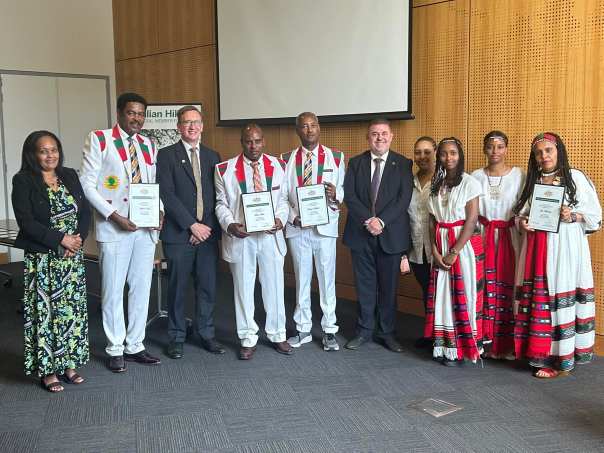
Volunteering plays a crucial role in helping, building, bringing together, and strengthening the Oromo community. It fosters unity, empowers individuals, and addresses the social, cultural, and economic needs of the community. Whether within Oromia or in the diaspora, volunteering is a powerful tool for collective action and community development. Here’s how volunteering contributes to the Oromo community:
1. Strengthening Community Bonds
- Building Unity: Volunteering brings Oromo people together, fostering a sense of belonging and solidarity. It helps bridge generational, regional, and ideological divides within the community.
- Cultural Preservation: Volunteers often organize cultural events, language classes, and traditional celebrations (e.g., Irreecha), which help preserve and promote Oromo culture and identity.
2. Empowering Individuals and Groups
- Skill Development: Volunteering provides opportunities for individuals to develop new skills, such as leadership, organization, and communication, which can benefit both the community and their personal growth.
- Youth Engagement: Encouraging Oromo youth to volunteer helps them connect with their heritage, develop a sense of responsibility, and take an active role in shaping the future of their community.
3. Addressing Social and Economic Needs
- Community Support: Volunteers often provide essential services, such as tutoring, mentoring, and counseling, to support vulnerable members of the Oromo community, including refugees, elders, and low-income families.
- Economic Empowerment: Volunteering initiatives, such as job training programs, small business support, and fundraising for community projects, help uplift the economic status of the Oromo people.
4. Promoting Education and Awareness
- Educational Programs: Volunteers organize workshops, seminars, and classes to educate the community about Oromo history, culture, and current issues, fostering awareness and pride.
- Advocacy and Outreach: Volunteers play a key role in raising awareness about the Oromo struggle for justice and self-determination, both within the community and among the broader public.
5. Supporting Grassroots Movements
- Activism and Advocacy: Volunteers are often at the forefront of grassroots movements, organizing protests, campaigns, and events to advocate for Oromo rights and social justice.
- Community Organizing: Volunteering helps build strong local networks and organizations that can effectively address the needs and aspirations of the Oromo people.
6. Fostering Collaboration and Partnerships
- Intercommunity Collaboration: Volunteering encourages collaboration between the Oromo community and other marginalized groups, fostering mutual support and solidarity.
- Diaspora Engagement: Oromo diaspora volunteers often work with communities back home, providing resources, expertise, and advocacy to support development and justice initiatives.
7. Crisis Response and Relief
- Humanitarian Aid: In times of crisis, such as natural disasters, conflicts, or displacement, volunteers play a critical role in providing relief, organizing fundraisers, and supporting affected communities.
- Refugee Support: Oromo volunteers in the diaspora often assist newly arrived refugees with resettlement, language training, and integration into their new communities.
8. Strengthening Oromo Institutions
- Supporting Local Organizations: Volunteers help build and sustain Oromo-led organizations, such as cultural associations, advocacy groups, and development initiatives, ensuring their long-term success.
- Capacity Building: By volunteering their time and expertise, individuals contribute to the capacity and effectiveness of Oromo institutions, enabling them to better serve the community.
9. Inspiring Future Generations
- Role Models: Volunteers serve as role models for younger generations, demonstrating the importance of service, commitment, and community engagement.
- Legacy of Service: By participating in volunteering, individuals contribute to a legacy of service and solidarity that inspires future generations to continue the work of building a strong and vibrant Oromo community.
10. Promoting Peace and Reconciliation
- Conflict Resolution: Volunteers can play a role in mediating conflicts within the Oromo community and promoting dialogue and reconciliation.
- Building Trust: Volunteering fosters trust and cooperation among community members, creating a foundation for lasting peace and unity.
Examples of Volunteering Initiatives in the Oromo Community
- Cultural Festivals: Organizing events like Irreecha to celebrate Oromo culture and bring the community together.
- Educational Programs: Tutoring Oromo students, teaching Afaan Oromo, or hosting workshops on Oromo history and rights.
- Advocacy Campaigns: Raising awareness about Oromo issues through social media, petitions, and public demonstrations.
- Humanitarian Projects: Supporting Oromo refugees, providing disaster relief, or funding community development projects in Oromia.
- Youth Mentorship: Guiding Oromo youth in education, career development, and cultural identity.
Challenges to Volunteering in the Oromo Community
- Resource Limitations: Lack of funding and resources can hinder the effectiveness of volunteering initiatives.
- Political Repression: In some contexts, volunteers may face risks or restrictions due to political oppression or conflict.
- Diaspora Disconnection: Oromo diaspora volunteers may face challenges in staying connected to the needs and realities of communities back home.
Conclusion
Volunteering is a cornerstone of community building and empowerment for the Oromo people. It strengthens bonds, addresses critical needs, and fosters a sense of unity and purpose. By dedicating their time, skills, and energy, Oromo volunteers contribute to the resilience and growth of their community, ensuring that the Oromo people can thrive culturally, politically, and economically. Whether through cultural preservation, advocacy, education, or crisis response, volunteering is a powerful force for positive change in the Oromo community.

Community Support During Guyyaa Shanan: A Traditional Ritual
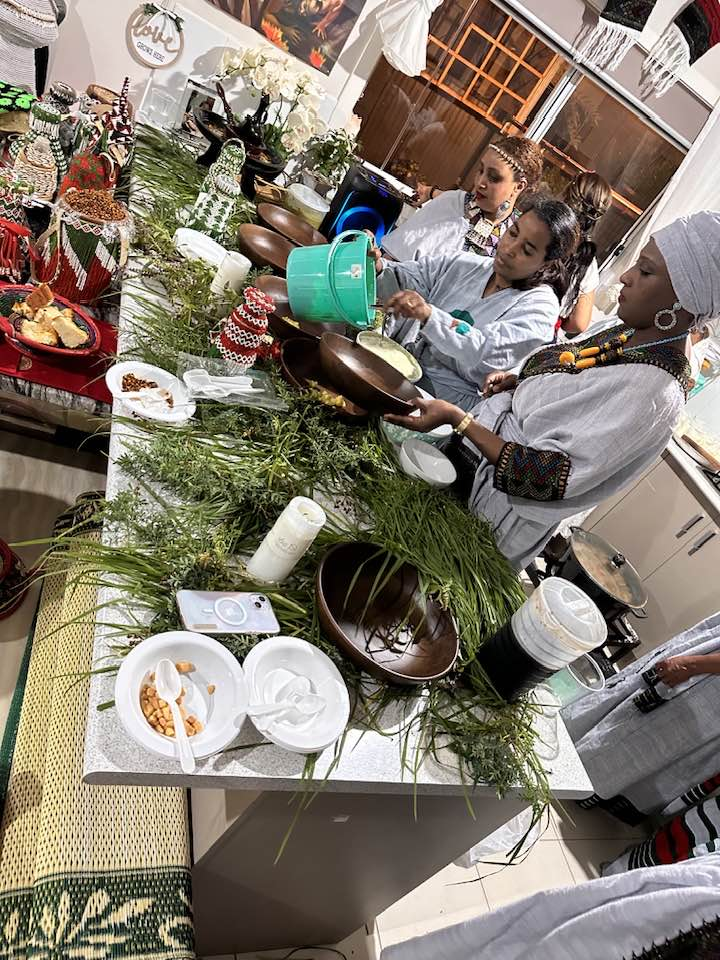
In Oromo culture, *Guyyaa Shanan* (the five days of childbirth) is a significant traditional practice that plays a crucial role in strengthening, encouraging, and bringing together the Oromo community. This period is marked by rituals, celebrations, and communal support that reflect the collective nature of Oromo society. Here’s how *Guyyaa Shanan* contributes to community cohesion and support:
### 1. **Communal Celebration of New Life**
– The birth of a child is seen as a blessing and a joyous event for the entire community, not just the immediate family. During *Guyyaa Shanan*, relatives, neighbors, and friends gather to celebrate the new life, fostering a sense of shared joy and unity.
– This celebration reinforces the idea that children are a communal asset and responsibility, strengthening the bonds between community members.
### 2. **Support for the Mother**
– The mother is given special care and attention during these five days. Female relatives and neighbors take turns assisting her with household chores, cooking, and caring for the newborn. This collective support ensures the mother’s well-being and allows her to rest and recover.
– This practice highlights the community’s role in nurturing and protecting its members, especially during vulnerable times.
### 3. **Cultural Rituals and Blessings**
– *Guyyaa Shanan* is marked by traditional rituals and blessings performed by elders or spiritual leaders. These rituals often include prayers for the health and prosperity of the child and the mother, as well as the family as a whole.
– These ceremonies reinforce cultural identity and continuity, as they are passed down through generations, connecting the community to its heritage.
### 4. **Strengthening Family and Social Ties**
– The gathering of extended family and community members during *Guyyaa Shanan* provides an opportunity to strengthen social ties. Relatives who may live far away often travel to participate, reconnecting with family and friends.
– This period fosters a sense of belonging and solidarity, as everyone comes together to support the new parents and celebrate the child’s arrival.
### 5. **Encouragement and Emotional Support**
– The presence of loved ones during *Guyyaa Shanan* provides emotional support to the new parents, especially the mother. The community’s involvement reassures the parents that they are not alone and that they have a network of people to rely on.
– Elders often share wisdom and advice about parenting, offering encouragement and guidance to the new family.
### 6. **Reinforcement of Cultural Values**
– *Guyyaa Shanan* embodies key Oromo cultural values such as *ayyaana* (spiritual connection), *safuu* (moral and social order), and *nagaa* (peace and harmony). These values are emphasized through communal participation and the rituals performed during the five days.
– The practice also reinforces the importance of intergenerational relationships, as elders play a central role in guiding and blessing the newborn and the family.
### 7. **Community Identity and Continuity**
– By celebrating *Guyyaa Shanan*, the Oromo community reaffirms its cultural identity and continuity. The rituals and practices associated with childbirth are deeply rooted in Oromo traditions and serve as a way to preserve and transmit these traditions to younger generations.
– The event also highlights the interconnectedness of the community, as everyone plays a role in welcoming and nurturing the new member.
### 8. **Shared Responsibility**
– The communal nature of *Guyyaa Shanan* reflects the Oromo concept of shared responsibility. The well-being of the child and the mother is seen as a collective duty, and everyone contributes in some way, whether through physical assistance, emotional support, or participation in rituals.
– This shared responsibility strengthens the community’s sense of unity and mutual care.
In summary, *Guyyaa Shanan* is a deeply meaningful tradition in Oromo culture that goes beyond the celebration of childbirth. It serves as a powerful mechanism for strengthening community bonds, providing support, and reinforcing cultural values. Through this practice, the Oromo community demonstrates its commitment to collective well-being and the nurturing of future generations.

Celebrating Oromo Culture at Melbourne’s Federation Square
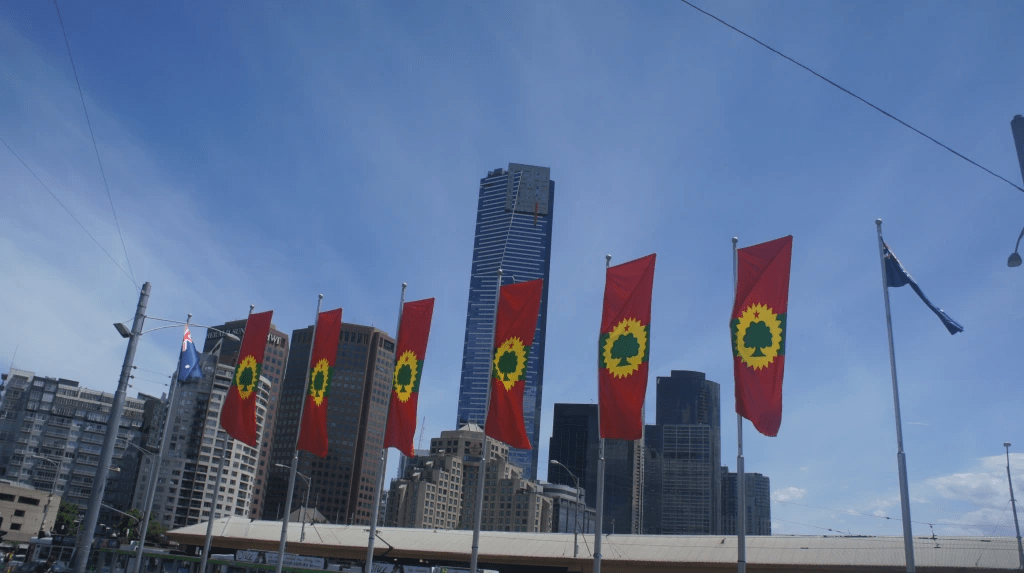
Federation Square in Melbourne, Australia, holds a special place in the hearts of the Oromo diaspora community as a symbolic site for gatherings, protests, and cultural events. For the Oromo community in Victoria, Federation Square serves as a space to express solidarity with their people back home, raise awareness about the Oromo struggle, and celebrate their culture and identity. Here’s how Federation Square in Melbourne is remembered and utilized by the Oromo community:
1. A Site for Solidarity and Advocacy
- Protests and Demonstrations: Federation Square has been a key location for the Oromo diaspora to organize protests and demonstrations against human rights abuses, political repression, and injustices faced by the Oromo people in Ethiopia. These events often draw attention to issues such as land grabs, extrajudicial killings, and the marginalization of the Oromo people.
- Global Awareness: By gathering at Federation Square, the Oromo community in Melbourne raises awareness among Australians and the international community about the Oromo struggle for freedom, justice, and self-determination.
2. Cultural Celebrations and Identity
- Irreecha Festival: The Oromo community in Melbourne has celebrated Irreecha, the Oromo Thanksgiving festival, at Federation Square. This cultural event is a powerful way to preserve and promote Oromo traditions, language, and identity in the diaspora.
- Music and Dance: Federation Square has hosted Oromo cultural performances, including traditional music, dance, and poetry, which serve as a reminder of the rich heritage of the Oromo people.
3. Commemorating Martyrs and Heroes
- Honoring Sacrifices: The Oromo community in Melbourne has used Federation Square to hold memorial events for Oromo martyrs who lost their lives in the struggle for freedom. These events often include speeches, candlelight vigils, and moments of silence to honor their sacrifices.
- Remembering Key Events: The community also commemorates significant events in the Oromo struggle, such as the 2014–2018 Oromo protests and the Irreecha massacre of 2016, ensuring that these moments are not forgotten.
4. A Platform for Unity and Mobilization
- Diaspora Unity: Federation Square serves as a gathering place for the Oromo diaspora in Victoria, fostering a sense of unity and solidarity among community members. It provides a space for Oromos from different backgrounds to come together and support one another.
- Youth Engagement: The square has been a platform for Oromo youth in the diaspora to engage in activism, leadership, and cultural expression, ensuring that the younger generation remains connected to their heritage and the struggle.
5. Advocacy and Political Engagement
- Engaging Australian Policymakers: The Oromo community in Melbourne has used Federation Square as a platform to engage with Australian policymakers, human rights organizations, and the media, advocating for support for the Oromo cause.
- International Solidarity: By organizing events at Federation Square, the Oromo diaspora builds alliances with other marginalized communities and activists in Australia, fostering a broader movement for justice and human rights.
6. A Symbol of Resilience and Hope
- Celebrating Achievements: Federation Square has also been a place to celebrate milestones in the Oromo struggle, such as the release of political prisoners or the recognition of Oromo rights in Ethiopia.
- Inspiring Future Generations: The events held at Federation Square inspire Oromo youth in the diaspora to remain connected to their roots and continue the fight for justice and equality.
7. Challenges and Reflections
- Distance from Home: While Federation Square provides a space for the Oromo diaspora to express their solidarity, it also serves as a reminder of the physical and emotional distance from their homeland and the ongoing struggles in Oromia.
- Balancing Activism and Integration: The Oromo community in Melbourne uses Federation Square to balance their activism for Oromo rights with their efforts to integrate into Australian society, showcasing the dual identity of the diaspora.
Conclusion
Federation Square in Melbourne, Australia, is remembered by the Oromo community as a vital space for activism, cultural expression, and unity. It symbolizes the resilience and determination of the Oromo diaspora to support their people back home while preserving their cultural heritage and identity. Through protests, cultural events, and memorials, the Oromo community in Victoria has transformed Federation Square into a powerful platform for advocacy and solidarity, ensuring that the Oromo struggle remains visible on the global stage.

Voice of Oromo Freedom: A Platform for Justice and Self-Determination

The Voice of Oromo Freedom (VOF) has historically played a critical role in the Oromo struggle for liberation, justice, and self-determination. As a media platform, it serves as a powerful tool for promoting awareness, motivating the Oromo people, and exposing the oppression and conspiracies of those who seek to undermine their rights. Here’s an in-depth look at the role of the Voice of Oromo Freedom in the Oromo struggle:
1. Promoting Awareness and Education
- Informing the Oromo People: The VOF provides critical information about the Oromo struggle, including updates on political developments, protests, and human rights abuses. This helps keep the Oromo people informed and aware of the challenges they face.
- Historical Context: It educates the Oromo people and the international community about the historical injustices faced by the Oromo, such as land dispossession, cultural suppression, and political marginalization.
- Countering Misinformation: The VOF challenges false narratives propagated by oppressive regimes and their allies, ensuring that the truth about the Oromo struggle is heard.
2. Motivating and Mobilizing the Oromo People
- Inspiring Resistance: Through its broadcasts, the VOF inspires the Oromo people to resist oppression and fight for their rights. It highlights stories of courage, resilience, and sacrifice, which motivate others to join the struggle.
- Uniting the Oromo: The VOF fosters a sense of unity and solidarity among the Oromo people, both within Ethiopia and in the diaspora. It emphasizes the importance of collective action in achieving freedom and justice.
- Empowering Youth and Women: The VOF amplifies the voices of Oromo youth (Qeerroo) and women, who have been at the forefront of the struggle, and encourages their active participation in the movement.
3. Exposing Oppression and Conspiracies
- Documenting Human Rights Abuses: The VOF plays a crucial role in documenting and exposing human rights violations committed against the Oromo people, including extrajudicial killings, arrests, and torture.
- Revealing Conspiracies: It uncovers and publicizes conspiracies by oppressive regimes and their allies to undermine the Oromo struggle, such as divide-and-rule tactics, false propaganda, and covert operations.
- Holding Oppressors Accountable: By exposing these abuses and conspiracies, the VOF holds oppressive regimes accountable and pressures them to change their policies.
4. Advocating for Oromo Rights
- Political Advocacy: The VOF advocates for the political rights of the Oromo people, including self-determination, fair representation, and autonomy within Ethiopia.
- Cultural Preservation: It promotes the preservation and revival of Oromo culture, language (Afaan Oromo), and traditions, which have been systematically suppressed.
- Economic Justice: The VOF highlights the economic marginalization of the Oromo people and advocates for equitable resource distribution and development in Oromia.
5. Building International Solidarity
- Global Awareness: The VOF raises awareness about the Oromo struggle on the international stage, garnering support from human rights organizations, governments, and the global public.
- Diaspora Engagement: It connects the Oromo diaspora with the struggle at home, encouraging them to contribute resources, advocacy, and expertise.
- Networking with Allies: The VOF builds alliances with other marginalized groups and liberation movements, fostering solidarity and mutual support.
6. Providing a Platform for Oromo Voices
- Amplifying Marginalized Voices: The VOF gives a platform to Oromo activists, intellectuals, artists, and community leaders to share their perspectives and experiences.
- Storytelling: It uses storytelling to humanize the Oromo struggle, sharing personal stories of resilience and resistance that resonate with a wide audience.
- Cultural Expression: The VOF promotes Oromo music, poetry, and art, which serve as powerful tools for resistance and cultural preservation.
7. Challenging Oppressive Narratives
- Countering Propaganda: The VOF challenges the propaganda of oppressive regimes that seek to delegitimize the Oromo struggle and portray it as divisive or extremist.
- Promoting Truth: It provides factual, evidence-based reporting that counters false narratives and ensures the truth about the Oromo struggle is known.
8. Supporting Grassroots Movements
- Empowering Local Activists: The VOF supports grassroots movements and local activists by amplifying their efforts and providing them with a platform to reach a wider audience.
- Mobilizing Protests: It plays a key role in mobilizing protests and demonstrations by disseminating information about planned actions and encouraging participation.
9. Archiving the Struggle
- Historical Record: The VOF serves as an archive of the Oromo struggle, documenting key events, speeches, and milestones for future generations.
- Educational Resource: It provides educational resources for Oromo youth and others who want to learn about the history and significance of the Oromo liberation movement.
Challenges Faced by the Voice of Oromo Freedom
Despite its critical role, the VOF faces significant challenges:
- Censorship and Suppression: Oppressive regimes often attempt to censor or shut down the VOF, making it difficult to operate freely.
- Resource Constraints: Limited funding and resources can hinder the VOF’s ability to reach a wider audience and maintain its operations.
- Safety Risks: Journalists and activists associated with the VOF often face threats, harassment, and violence.
Conclusion
The Voice of Oromo Freedom is a vital instrument in the Oromo struggle for liberation, serving as a source of information, motivation, and advocacy. By promoting awareness, exposing oppression, and amplifying the voices of the Oromo people, the VOF plays a crucial role in advancing the cause of justice, equality, and self-determination. Despite the challenges it faces, the VOF remains a beacon of hope and resilience for the Oromo people and their allies worldwide.




 Advocacy for Oromia