Benefits of Holidays for Oromo Family Health
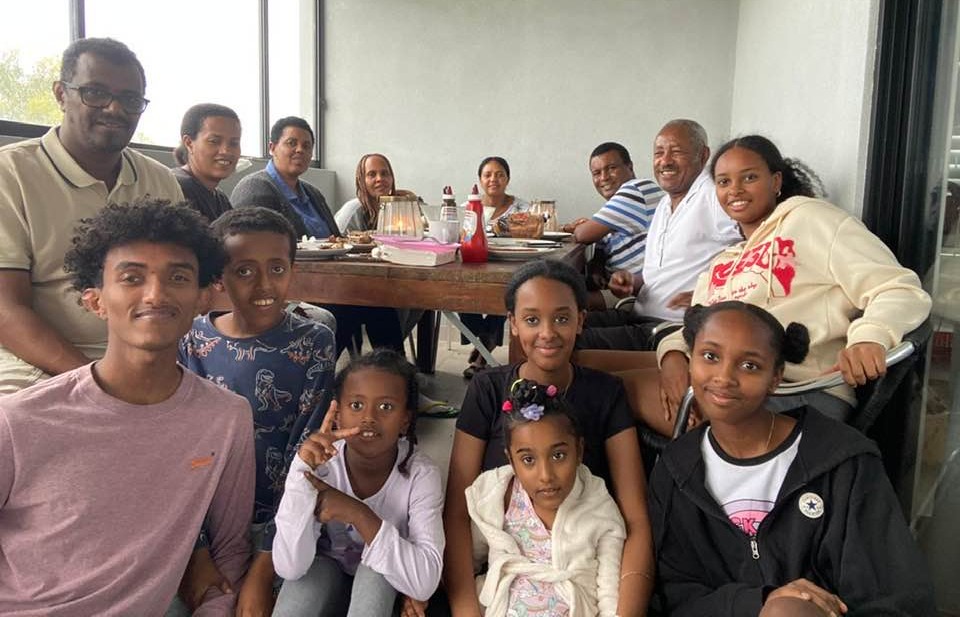
Going on holiday or engaging in recreational activities with family plays a significant role in promoting family health, strengthening the family unit, and contributing to the overall wellbeing of the Oromo community. In the context of the Oromo people, who have faced historical challenges such as displacement, marginalization, and political oppression, family and community bonds are especially important. Here’s how holidays and recreation contribute to these aspects:
1. Promoting Family Health
- Physical Health: Holidays and recreation often involve physical activities such as hiking, swimming, or playing sports, which improve physical fitness and overall health.
- Mental Health: Taking a break from daily stressors through recreation reduces anxiety, depression, and burnout. It provides an opportunity for relaxation and rejuvenation.
- Emotional Wellbeing: Spending quality time together in a relaxed environment strengthens emotional bonds and creates positive memories, which contribute to long-term emotional health.
2. Strengthening the Family Unit
- Quality Time: Holidays and recreation provide uninterrupted time for families to connect, communicate, and bond. This is especially important in today’s fast-paced world, where family members may have limited time together.
- Building Trust and Understanding: Shared experiences during holidays foster trust, empathy, and understanding among family members, helping to resolve conflicts and strengthen relationships.
- Cultural Transmission: For Oromo families, holidays and recreation can be an opportunity to teach children about their culture, traditions, and values, ensuring the preservation of Oromo heritage.
3. Enhancing Community Wellbeing
- Strengthening Social Bonds: When Oromo families engage in group activities or community-organized recreational events, it fosters a sense of belonging and solidarity within the community.
- Cultural Celebrations: Holidays and recreation often coincide with cultural festivals like Irreecha, where the Oromo community comes together to celebrate their heritage. These events reinforce cultural identity and unity.
- Support Networks: Recreational activities provide opportunities for families to connect with others in the community, building support networks that can help during times of need.
4. Resilience and Coping
- Stress Relief: For Oromo families who have experienced trauma, displacement, or political oppression, holidays and recreation offer a chance to heal and rebuild resilience.
- Positive Outlook: Engaging in enjoyable activities helps families maintain a positive outlook on life, which is crucial for coping with challenges and adversity.
5. Economic and Social Benefits
- Local Economy: When Oromo families go on holiday or participate in recreational activities within their region, it supports local businesses and contributes to the economic development of Oromia.
- Community Development: Community-organized recreational events, such as sports tournaments or cultural festivals, can foster pride and investment in local infrastructure and resources.
6. Intergenerational Connection
- Bridging Generations: Holidays and recreation provide opportunities for elders to share stories, wisdom, and traditions with younger generations, ensuring the continuity of Oromo culture.
- Youth Engagement: Involving youth in recreational activities helps them stay connected to their roots and fosters a sense of responsibility towards their family and community.
7. Spiritual and Cultural Renewal
- Connection to Nature: Many Oromo recreational activities, such as visiting natural landmarks or participating in outdoor festivals, emphasize a connection to nature, which is central to Oromo spirituality and culture.
- Cultural Pride: Holidays and recreation often include elements of Oromo culture, such as traditional music, dance, and clothing, reinforcing cultural pride and identity.
Examples of Recreational Activities for Oromo Families
- Cultural Festivals: Participating in Irreecha, weddings, or other cultural celebrations.
- Nature Trips: Visiting natural sites like lakes, mountains, or forests, which are abundant in Oromia.
- Sports and Games: Engaging in traditional Oromo games or modern sports as a family or community.
- Community Gatherings: Attending community picnics, storytelling sessions, or music and dance events.
- Travel and Exploration: Exploring historical sites or other regions within Oromia or Ethiopia to learn about their heritage.
Challenges and Considerations
- Accessibility: Not all families may have the resources or time to go on holidays or participate in recreational activities. Community support and affordable options can help address this.
- Balancing Tradition and Modernity: While embracing modern recreational activities, it’s important to ensure that traditional Oromo values and practices are preserved.
- Safety and Security: In regions affected by conflict or instability, ensuring the safety of families during holidays and recreation is a priority.
Conclusion
Going on holiday or engaging in recreational activities with family is not just a leisure activity; it is a vital component of family health, unity, and community wellbeing. For the Oromo community, these activities provide an opportunity to heal, connect, and celebrate their rich cultural heritage. By prioritizing family and community recreation, the Oromo people can build stronger, healthier, and more resilient families and communities, ensuring a brighter future for generations to come.

Posted on January 30, 2025, in Uncategorized. Bookmark the permalink. Leave a comment.




 Advocacy for Oromia
Leave a comment
Comments 0