Celebrating Oromo Heritage Through Traditional Attire
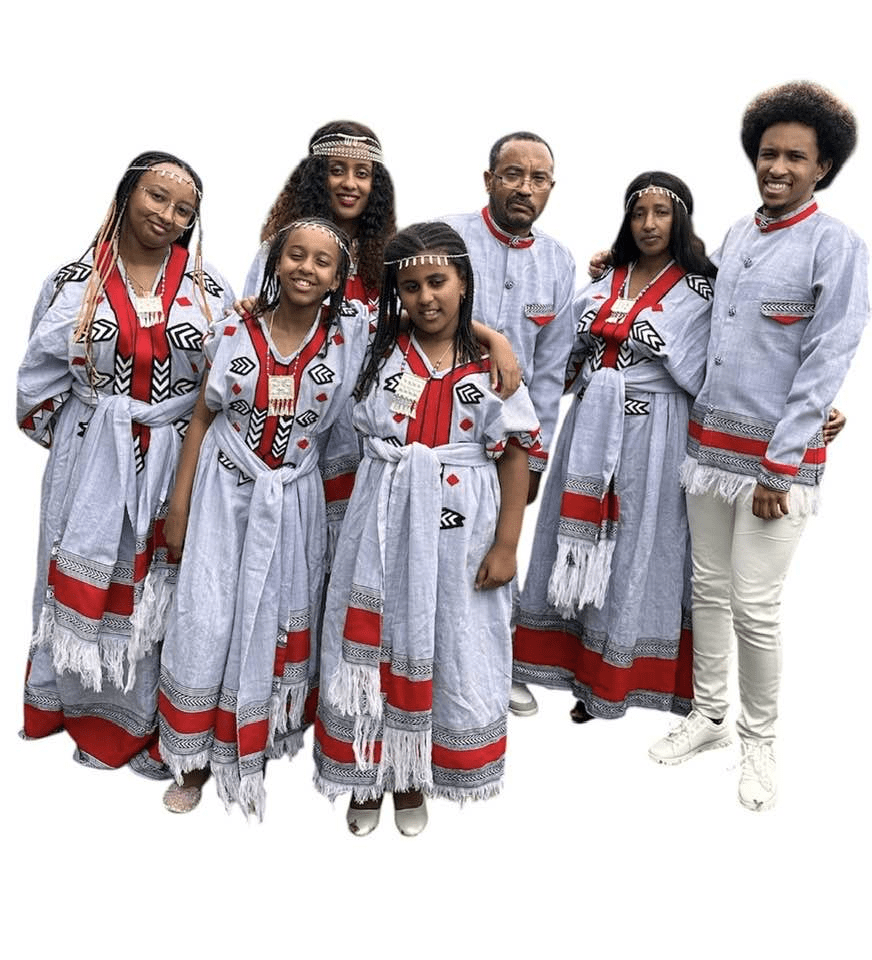
Cultural clothing plays a vital role in visualizing, promoting, and strengthening the identity and unity of the Oromo community. It serves as a powerful symbol of heritage, pride, and resilience, connecting Oromo people to their roots and to each other. Here’s how cultural clothing contributes to the Oromo community:
1. Visual Representation of Oromo Identity
- Cultural Symbolism: Traditional Oromo clothing, such as the Horo (a decorative shawl) and Waara (a traditional robe), carries deep cultural and symbolic meanings. These garments often feature unique patterns, colors, and designs that reflect Oromo history, values, and way of life.
- Distinct Identity: Wearing cultural clothing distinguishes the Oromo people from other ethnic groups, making their identity visible and recognizable in diverse settings, including festivals, protests, and international events.
2. Promoting Cultural Pride and Awareness
- Celebrating Heritage: Cultural clothing is often worn during important Oromo celebrations, such as Irreecha (the Oromo Thanksgiving festival), weddings, and other cultural events. This helps to preserve and promote Oromo traditions and fosters a sense of pride among community members.
- Educating Others: By wearing traditional attire, Oromo individuals and groups can educate others about their culture, history, and values, raising awareness and appreciation for Oromo heritage.
3. Strengthening Unity and Solidarity
- Shared Identity: Cultural clothing serves as a unifying symbol for the Oromo people, reminding them of their shared history, struggles, and aspirations. It fosters a sense of belonging and solidarity, especially in the diaspora where Oromo communities may be dispersed.
- Collective Expression: During protests, rallies, and cultural events, wearing traditional clothing creates a powerful visual statement of unity and collective resistance against oppression and marginalization.
4. Empowering the Oromo Community
- Cultural Revival: In the face of historical suppression, wearing traditional clothing is an act of cultural revival and resistance. It empowers the Oromo people to reclaim their identity and assert their presence in society.
- Economic Empowerment: The production and sale of traditional Oromo clothing can provide economic opportunities for artisans, weavers, and small businesses within the community, contributing to sustainable development.
5. Connecting Generations
- Intergenerational Bonding: Cultural clothing helps bridge the gap between older and younger generations. Elders can pass down the knowledge of traditional attire and its significance, while youth can embrace and modernize these styles, ensuring their continuity.
- Youth Engagement: By wearing traditional clothing, Oromo youth can connect with their heritage and develop a stronger sense of identity, which is crucial for the preservation of Oromo culture.
6. Global Representation
- Diaspora Identity: For the Oromo diaspora, wearing traditional clothing is a way to maintain a connection to their homeland and express their identity in multicultural settings. It also helps to introduce Oromo culture to a global audience.
- International Events: At international conferences, cultural festivals, and diplomatic events, Oromo representatives wearing traditional attire can showcase their culture and advocate for their rights on a global stage.
7. Resistance and Resilience
- Symbol of Resistance: During times of political oppression, wearing traditional Oromo clothing has been a form of peaceful resistance, asserting the community’s identity and demanding recognition and justice.
- Resilience and Hope: Cultural clothing symbolizes the resilience of the Oromo people, who have endured centuries of marginalization but continue to celebrate and preserve their heritage.
8. Modern Adaptations and Innovation
- Fusion Fashion: Many Oromo designers and fashion enthusiasts are blending traditional elements with modern styles, creating innovative designs that appeal to younger generations while maintaining cultural significance.
- Global Influence: Oromo cultural clothing is gaining recognition in the global fashion industry, showcasing the creativity and artistry of the Oromo people and bringing their culture to a wider audience.
Examples of Oromo Cultural Clothing
- Horo: A decorative shawl worn by Oromo women, often featuring intricate embroidery and vibrant colors.
- Waara: A traditional robe worn by both men and women, typically made from cotton or other natural fabrics.
- Kutta: A traditional Oromo hat worn by men, often made from leather or woven materials.
- Accessories: Jewelry, belts, and other accessories made from beads, leather, and metal, often featuring symbolic designs.
Challenges and Opportunities
- Preservation: Ensuring that traditional clothing-making techniques and knowledge are preserved and passed down to future generations.
- Accessibility: Making traditional clothing accessible and affordable for all members of the community, both in Oromia and the diaspora.
- Innovation: Balancing tradition with modernity to keep cultural clothing relevant and appealing to younger generations.
Conclusion
Cultural clothing is a powerful tool for visualizing, promoting, and strengthening the identity and unity of the Oromo community. It serves as a symbol of pride, resilience, and resistance, connecting Oromo people to their heritage and to each other. By embracing and celebrating traditional attire, the Oromo community can preserve its cultural legacy, empower its members, and assert its presence on the global stage. Whether worn during celebrations, protests, or everyday life, Oromo cultural clothing is a testament to the enduring spirit and rich heritage of the Oromo people.

Posted on January 30, 2025, in Uncategorized. Bookmark the permalink. Leave a comment.




 Advocacy for Oromia
Leave a comment
Comments 0