Community Support During Guyyaa Shanan: A Traditional Ritual
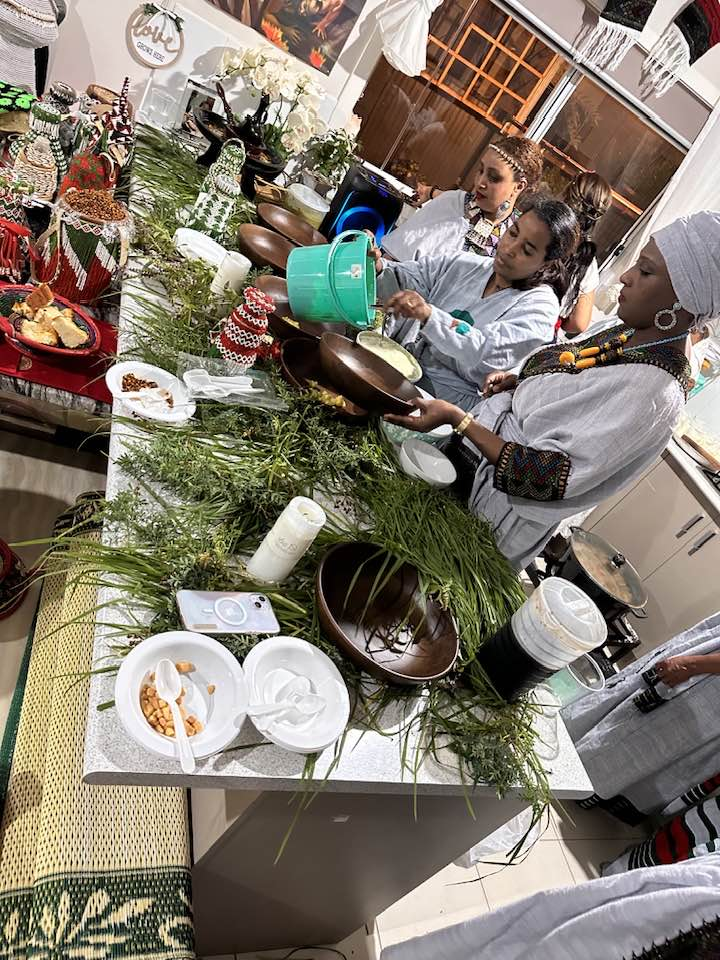
In Oromo culture, *Guyyaa Shanan* (the five days of childbirth) is a significant traditional practice that plays a crucial role in strengthening, encouraging, and bringing together the Oromo community. This period is marked by rituals, celebrations, and communal support that reflect the collective nature of Oromo society. Here’s how *Guyyaa Shanan* contributes to community cohesion and support:
### 1. **Communal Celebration of New Life**
– The birth of a child is seen as a blessing and a joyous event for the entire community, not just the immediate family. During *Guyyaa Shanan*, relatives, neighbors, and friends gather to celebrate the new life, fostering a sense of shared joy and unity.
– This celebration reinforces the idea that children are a communal asset and responsibility, strengthening the bonds between community members.
### 2. **Support for the Mother**
– The mother is given special care and attention during these five days. Female relatives and neighbors take turns assisting her with household chores, cooking, and caring for the newborn. This collective support ensures the mother’s well-being and allows her to rest and recover.
– This practice highlights the community’s role in nurturing and protecting its members, especially during vulnerable times.
### 3. **Cultural Rituals and Blessings**
– *Guyyaa Shanan* is marked by traditional rituals and blessings performed by elders or spiritual leaders. These rituals often include prayers for the health and prosperity of the child and the mother, as well as the family as a whole.
– These ceremonies reinforce cultural identity and continuity, as they are passed down through generations, connecting the community to its heritage.
### 4. **Strengthening Family and Social Ties**
– The gathering of extended family and community members during *Guyyaa Shanan* provides an opportunity to strengthen social ties. Relatives who may live far away often travel to participate, reconnecting with family and friends.
– This period fosters a sense of belonging and solidarity, as everyone comes together to support the new parents and celebrate the child’s arrival.
### 5. **Encouragement and Emotional Support**
– The presence of loved ones during *Guyyaa Shanan* provides emotional support to the new parents, especially the mother. The community’s involvement reassures the parents that they are not alone and that they have a network of people to rely on.
– Elders often share wisdom and advice about parenting, offering encouragement and guidance to the new family.
### 6. **Reinforcement of Cultural Values**
– *Guyyaa Shanan* embodies key Oromo cultural values such as *ayyaana* (spiritual connection), *safuu* (moral and social order), and *nagaa* (peace and harmony). These values are emphasized through communal participation and the rituals performed during the five days.
– The practice also reinforces the importance of intergenerational relationships, as elders play a central role in guiding and blessing the newborn and the family.
### 7. **Community Identity and Continuity**
– By celebrating *Guyyaa Shanan*, the Oromo community reaffirms its cultural identity and continuity. The rituals and practices associated with childbirth are deeply rooted in Oromo traditions and serve as a way to preserve and transmit these traditions to younger generations.
– The event also highlights the interconnectedness of the community, as everyone plays a role in welcoming and nurturing the new member.
### 8. **Shared Responsibility**
– The communal nature of *Guyyaa Shanan* reflects the Oromo concept of shared responsibility. The well-being of the child and the mother is seen as a collective duty, and everyone contributes in some way, whether through physical assistance, emotional support, or participation in rituals.
– This shared responsibility strengthens the community’s sense of unity and mutual care.
In summary, *Guyyaa Shanan* is a deeply meaningful tradition in Oromo culture that goes beyond the celebration of childbirth. It serves as a powerful mechanism for strengthening community bonds, providing support, and reinforcing cultural values. Through this practice, the Oromo community demonstrates its commitment to collective well-being and the nurturing of future generations.

Posted on January 30, 2025, in Uncategorized. Bookmark the permalink. Leave a comment.




 Advocacy for Oromia
Leave a comment
Comments 0