The Power of Volunteering in the Oromo Community
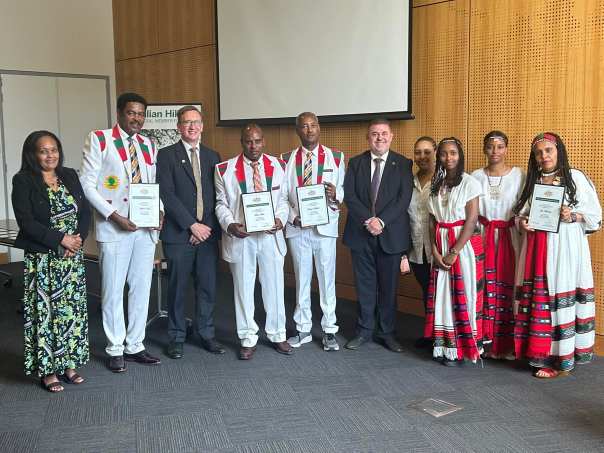
Volunteering plays a crucial role in helping, building, bringing together, and strengthening the Oromo community. It fosters unity, empowers individuals, and addresses the social, cultural, and economic needs of the community. Whether within Oromia or in the diaspora, volunteering is a powerful tool for collective action and community development. Here’s how volunteering contributes to the Oromo community:
1. Strengthening Community Bonds
- Building Unity: Volunteering brings Oromo people together, fostering a sense of belonging and solidarity. It helps bridge generational, regional, and ideological divides within the community.
- Cultural Preservation: Volunteers often organize cultural events, language classes, and traditional celebrations (e.g., Irreecha), which help preserve and promote Oromo culture and identity.
2. Empowering Individuals and Groups
- Skill Development: Volunteering provides opportunities for individuals to develop new skills, such as leadership, organization, and communication, which can benefit both the community and their personal growth.
- Youth Engagement: Encouraging Oromo youth to volunteer helps them connect with their heritage, develop a sense of responsibility, and take an active role in shaping the future of their community.
3. Addressing Social and Economic Needs
- Community Support: Volunteers often provide essential services, such as tutoring, mentoring, and counseling, to support vulnerable members of the Oromo community, including refugees, elders, and low-income families.
- Economic Empowerment: Volunteering initiatives, such as job training programs, small business support, and fundraising for community projects, help uplift the economic status of the Oromo people.
4. Promoting Education and Awareness
- Educational Programs: Volunteers organize workshops, seminars, and classes to educate the community about Oromo history, culture, and current issues, fostering awareness and pride.
- Advocacy and Outreach: Volunteers play a key role in raising awareness about the Oromo struggle for justice and self-determination, both within the community and among the broader public.
5. Supporting Grassroots Movements
- Activism and Advocacy: Volunteers are often at the forefront of grassroots movements, organizing protests, campaigns, and events to advocate for Oromo rights and social justice.
- Community Organizing: Volunteering helps build strong local networks and organizations that can effectively address the needs and aspirations of the Oromo people.
6. Fostering Collaboration and Partnerships
- Intercommunity Collaboration: Volunteering encourages collaboration between the Oromo community and other marginalized groups, fostering mutual support and solidarity.
- Diaspora Engagement: Oromo diaspora volunteers often work with communities back home, providing resources, expertise, and advocacy to support development and justice initiatives.
7. Crisis Response and Relief
- Humanitarian Aid: In times of crisis, such as natural disasters, conflicts, or displacement, volunteers play a critical role in providing relief, organizing fundraisers, and supporting affected communities.
- Refugee Support: Oromo volunteers in the diaspora often assist newly arrived refugees with resettlement, language training, and integration into their new communities.
8. Strengthening Oromo Institutions
- Supporting Local Organizations: Volunteers help build and sustain Oromo-led organizations, such as cultural associations, advocacy groups, and development initiatives, ensuring their long-term success.
- Capacity Building: By volunteering their time and expertise, individuals contribute to the capacity and effectiveness of Oromo institutions, enabling them to better serve the community.
9. Inspiring Future Generations
- Role Models: Volunteers serve as role models for younger generations, demonstrating the importance of service, commitment, and community engagement.
- Legacy of Service: By participating in volunteering, individuals contribute to a legacy of service and solidarity that inspires future generations to continue the work of building a strong and vibrant Oromo community.
10. Promoting Peace and Reconciliation
- Conflict Resolution: Volunteers can play a role in mediating conflicts within the Oromo community and promoting dialogue and reconciliation.
- Building Trust: Volunteering fosters trust and cooperation among community members, creating a foundation for lasting peace and unity.
Examples of Volunteering Initiatives in the Oromo Community
- Cultural Festivals: Organizing events like Irreecha to celebrate Oromo culture and bring the community together.
- Educational Programs: Tutoring Oromo students, teaching Afaan Oromo, or hosting workshops on Oromo history and rights.
- Advocacy Campaigns: Raising awareness about Oromo issues through social media, petitions, and public demonstrations.
- Humanitarian Projects: Supporting Oromo refugees, providing disaster relief, or funding community development projects in Oromia.
- Youth Mentorship: Guiding Oromo youth in education, career development, and cultural identity.
Challenges to Volunteering in the Oromo Community
- Resource Limitations: Lack of funding and resources can hinder the effectiveness of volunteering initiatives.
- Political Repression: In some contexts, volunteers may face risks or restrictions due to political oppression or conflict.
- Diaspora Disconnection: Oromo diaspora volunteers may face challenges in staying connected to the needs and realities of communities back home.
Conclusion
Volunteering is a cornerstone of community building and empowerment for the Oromo people. It strengthens bonds, addresses critical needs, and fosters a sense of unity and purpose. By dedicating their time, skills, and energy, Oromo volunteers contribute to the resilience and growth of their community, ensuring that the Oromo people can thrive culturally, politically, and economically. Whether through cultural preservation, advocacy, education, or crisis response, volunteering is a powerful force for positive change in the Oromo community.

Posted on January 30, 2025, in Uncategorized. Bookmark the permalink. Leave a comment.




 Advocacy for Oromia
Leave a comment
Comments 0