Understanding Qanafa Culture in Oromo Society
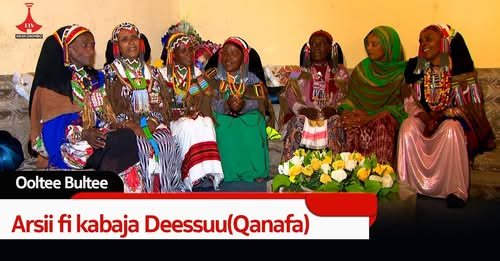
The Qanafa culture is a beautiful and deeply rooted tradition within the Oromo community that embodies the values of community support, solidarity, and care, particularly during significant life events such as childbirth, weddings, or times of hardship. The term “Qanafa” refers to the collective effort of community members coming together to provide assistance, whether it be emotional, physical, or material, to individuals or families in need. This tradition is a cornerstone of Oromo society and reflects the communal ethos of the Oromo people.
Key Aspects of Qanafa Culture
- Community Solidarity and Mutual Support
- Collective Responsibility: Qanafa emphasizes the idea that the well-being of an individual or family is the responsibility of the entire community. It fosters a sense of unity and shared purpose.
- Helping Hands: During events like childbirth, illness, or bereavement, community members come together to offer practical help, such as cooking, cleaning, or providing resources.
- Emotional and Spiritual Support
- Blessings and Prayers: In the context of childbirth, as described in your friend Marta Ingida’s experience, local women gather to offer blessings, prayers, and encouragement to the mother and the newborn. This creates a nurturing and supportive environment.
- Shared Joy and Sorrow: Qanafa is not limited to times of hardship; it also extends to celebrations like weddings, where the community shares in the joy of the family.
- Preservation of Cultural Practices
- Traditional Knowledge: Qanafa often involves the use of traditional practices, such as preparing special foods, performing rituals, or sharing wisdom passed down through generations.
- Cultural Identity: By participating in Qanafa, the Oromo people reaffirm their cultural identity and strengthen their connection to their heritage.
- Empowerment of Women
- Women’s Role: In many cases, Qanafa is led by women, who play a central role in organizing and providing support during events like childbirth. This highlights the importance of women in Oromo society as caregivers and community leaders.
- Intergenerational Bonding: Older women often guide younger women during these events, passing on knowledge and traditions.
- Economic and Practical Assistance
- Resource Sharing: Qanafa often involves sharing resources, such as food, clothing, or money, to alleviate the burden on the family in need.
- Labor Sharing: Community members may contribute their time and labor to help with tasks like farming, building, or household chores.
Qanafa in the Context of Childbirth
The example you shared, where Marta Ingida participated in a traditional Oromo service during childbirth, is a perfect illustration of Qanafa in action. Here’s how it typically works:
- Preparation: Local women gather to prepare traditional foods, such as Injera, Waaddii, or Mooraa, which are believed to nourish and strengthen the mother.
- Blessings and Rituals: The women offer blessings and prayers for the mother and the newborn, ensuring their health and well-being.
- Assistance: They provide practical help, such as caring for the mother, cleaning the home, or looking after other children in the family.
- Celebration: The birth of a child is celebrated as a communal event, with singing, dancing, and sharing of stories.
Benefits of Qanafa Culture
- Strengthens Community Bonds: Qanafa fosters a sense of belonging and unity, ensuring that no one faces challenges alone.
- Preserves Cultural Heritage: It keeps traditional practices and values alive, passing them down to future generations.
- Provides Emotional Comfort: The presence of community members during significant life events offers emotional support and reassurance.
- Promotes Gender Roles: It highlights the vital role of women in maintaining and nurturing the community.
- Encourages Generosity and Compassion: Qanafa teaches the importance of giving and sharing, reinforcing the values of empathy and kindness.
Modern Relevance of Qanafa
While urbanization and modernization have impacted traditional practices, Qanafa remains a vital part of Oromo culture. In diaspora communities, such as those in Australia, the United States, or Europe, Oromo people continue to practice Qanafa by supporting one another during weddings, funerals, or other significant events. This helps maintain their cultural identity and provides a sense of home in foreign lands.
Conclusion
The Qanafa culture is a testament to the Oromo people’s deep sense of community, compassion, and resilience. It is a tradition that not only provides practical and emotional support but also strengthens cultural identity and unity. The experience shared by Marta Ingida in Adaabbaa, Oromia, highlights the enduring importance of Qanafa in celebrating life, supporting one another, and preserving the rich heritage of the Oromo people. This tradition serves as a reminder of the power of collective care and the beauty of communal living.

Posted on January 30, 2025, in Uncategorized. Bookmark the permalink. Leave a comment.




 Advocacy for Oromia
Leave a comment
Comments 0