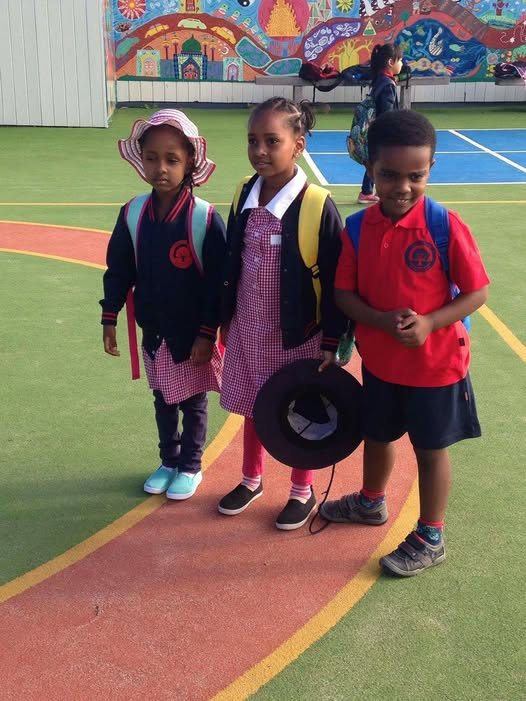
Here in Victoria, kids are turbid back to school from the school holidays. This is a happy situation for many families. At such times, the role of many families is crucial to make the fate of our children happier. When children come home from school, what should families do to encourage their children?
When children come home from school, it’s an important time for families to create a supportive and nurturing environment that encourages learning, emotional well-being, and family bonding. Here are some practical and meaningful ways families can encourage their children after school:
1. Create a Warm and Welcoming Atmosphere Greet Them Positively: Welcome your children with a smile, a hug, or a cheerful greeting. This helps them feel loved and valued after a long day.
Provide a Snack: Offer a healthy snack to refuel their energy. This can also be a great time to sit together and chat about their day.
2. Engage in Meaningful Conversations Ask Open-Ended Questions: Instead of just asking, “How was school?” try questions like:
“What was the most interesting thing you learned today?”
“Did anything make you laugh or feel proud today?”
“Was there anything that was challenging for you?”
Listen Actively: Show genuine interest in their responses and avoid interrupting. This helps build trust and encourages them to share more.
3. Encourage Relaxation and Downtime Allow Time to Unwind: After a busy day at school, children need time to relax. Encourage activities like reading, drawing, or playing outside.
Limit Screen Time: While some screen time is okay, encourage activities that promote creativity and physical activity instead of excessive TV or video games.
4. Support Homework and Learning Create a Homework Routine: Set aside a quiet, well-lit space for homework and establish a consistent routine to help them stay organized.
Offer Help, Not Answers: Be available to assist with homework, but encourage them to solve problems independently. Ask guiding questions like, “How do you think you can approach this?”
Celebrate Effort: Praise their hard work and effort, not just the results. This helps build confidence and a growth mindset.
5. Promote Physical Activity Encourage Outdoor Play: Physical activity helps children release energy, reduce stress, and stay healthy. Encourage them to play outside or participate in sports.
Join Them: If possible, join your children in physical activities like walking, biking, or playing a game. This strengthens family bonds and sets a positive example.
6. Foster Emotional Well-Being Check In on Their Feelings: Ask how they’re feeling emotionally and validate their emotions. For example, “It sounds like you had a tough day. Do you want to talk about it?”
Teach Coping Skills: Help them develop healthy ways to manage stress, such as deep breathing, journaling, or talking to a trusted adult.
7. Encourage Responsibility and Independence Assign Age-Appropriate Chores: Involve children in household tasks like setting the table, tidying their room, or helping with dinner. This teaches responsibility and life skills.
Let Them Make Choices: Allow them to make small decisions, such as what to wear or what snack to have. This builds confidence and decision-making skills.
8. Spend Quality Time Together Family Activities: Plan activities that the whole family can enjoy, such as board games, cooking together, or watching a movie.
Read Together: Reading aloud or discussing books can strengthen literacy skills and create special bonding moments.
9. Encourage Social Connections Playdates and Friendships: Encourage your children to maintain friendships by organizing playdates or allowing them to connect with friends after school.
Family Bonding: Use after-school time to strengthen family relationships through shared activities and conversations.
10. Model Positive Behavior Show Enthusiasm for Learning: Share your own interests and hobbies with your children. For example, talk about a book you’re reading or a project you’re working on.
Demonstrate Kindness and Respect: Treat your children and others with kindness and respect, setting an example for how they should interact with the world.
11. Prepare for the Next Day Organize Together: Help your children prepare for the next school day by packing their bags, laying out clothes, and reviewing their schedule.
Set a Bedtime Routine: Ensure they get enough sleep by establishing a consistent bedtime routine that includes calming activities like reading or listening to soft music.
12. Celebrate Achievements Acknowledge Successes: Celebrate both big and small achievements, whether it’s finishing a project, making a new friend, or showing kindness to others.
Create a Reward System: Use a sticker chart or other incentives to motivate and reward positive behavior and effort.
Conclusion Encouraging children after school is about creating a balanced environment that supports their academic, emotional, and social development. By fostering open communication, providing structure, and spending quality time together, families can help their children feel loved, supported, and motivated to thrive. Every child is unique, so tailor these suggestions to fit your family’s needs and dynamics.
Advocacy for Oromia was established in 2010 with the purpose of enabling and empowering Oromo people by providing accurate and timely information that will help to make better choices to create the kind of future in which they wish to live.
It also provides information focus on the major issues facing us in the 21st century and it is going to try and bring a balanced approach with factual information that is positive and solution based.
The website has been in operation for the last nine years with the mission of promoting and advancing causes of Oromo people through advocacy, community education, information service, capacity building, awareness raising and promotion.
The website is also the official site of Advocacy for Oromia Association in Victoria Australia Inc., a non-profit organisation, registered under the Associations Incorporation Reform Act 2012 in Victoria as April 2014.
Our team already had considerable community development experience and expertise. Our various projects helped to develop our confidence and the capacity of our agency. Our team used every gained knowledge, skills and experiences as an opportunity to design and develop new approaches, to documenting progress, supporting positive employment outcomes, liaising with community stakeholders, and conduct evaluation.
Advocacy for Oromia is devoted to establishing Advocacy for Oromia organisation to close the gaps where we can stand for people who are disadvantaged and speaking out on their behalf in a way that represents the best interests of them. We are committed to supporting positive settlement and employment outcomes for Victoria’s Oromo community.
Advocacy for Oromia Office
Addresses:
39 Clow St,
Dandenong VIC 3175
=====================
247-251 Flinders Lane
Melbourne VIC 3000
Activities Address
Springvale Neighbourhood House Inc
Address: 46-50 Queens Ave, Springvale VIC 3171
Postal Address:
P. O. Box 150
Noble Park, Vic 3174
With your support, we can continue to help community build a better future.
Advocacy for Oromia Mental Health Program
The aim of the program is to improving the mental health and well-being of Oromo community in Victoria. It aims to assist those experiencing, mental ill-health, their families and carers of all ages within this community to address the social determinants of mental health for Oromo community. It helps:
Identify and build protective factors,
Reduce stigma and discrimination
Build capacity for self-determination
Better understand mental wellbeing, mental ill-health and the impacts of trauma
The goal of the project is to increase mental health literacy of Oromo community that aims:
To assist people with mental health issues
To increase the capacity of mental health worker
To better understand mental wellbeing
To provide mental health education and information
To address the social and cultural causes of mental health issues
Advocacy for Oromia will organise information session, women performance, radio programs, culturally adopted conversations on Oromo Coffee Drinking ceremony, providing training for mental health guides and forum and producing educational materials on the selected groups and geographical area.
Human Rights Education Program
The Human Rights Education Program is a community based human rights program designed to develop an understanding of everyone’s common responsibility to make human rights a reality in each community.
Human rights can only be achieved through an informed and continued demand by people for their protection. Human rights education promotes values, beliefs and attitudes that encourage all individuals to uphold their own rights and those of others.
The aim of the program is to build an understanding and appreciation for human rights through learning about rights and learning through rights. We aimed at building a universal culture of human rights. Thus, we aimed:
To build an understanding and appreciation for human rights through learning about rights and learning through rights.
To build capacities and sharing good practice in the area of human rights education and training
To develop human rights education and training materials and resources
The goal of the project is to increase human rights literacy of Oromo community that aims:
To better understand human rights
To increase the capacity of human rights worker
To analyse situations in human rights terms
To provide human rights education and information
To develop solidarity
To strategize and implement appropriate responses to injustice.
The ultimate goal of education for human rights is empowerment, giving people the knowledge and skills to take control of their own lives and the decisions that affect them.
Human rights education constitutes an essential contribution to the long-term prevention of human rights abuses and represents an important investment in the endeavour to achieve a just society in which all human rights of all persons are valued and respected.
Advocacy for Oromia will organise information session, performance, radio programs, culturally adopted conversations on Oromo Coffee Drinking ceremony, providing training for Human Rights guides and forum and producing educational materials on the selected groups and geographical area.
Community Safety Program
The program aims to strengthen existing collaborations and identify opportunities for the development of partnerships aimed at community safety and crime prevention activities. This approach seeks to improve the individual and collective quality of life by addressing concerns regarding the wider physical and social environment. Importantly, community safety means addressing fear of crime and perceptions of safety as without this any actions to address the occurrence of crime and anti-social behaviour are of less value.




 Advocacy for Oromia