Monthly Archives: February 2025

Understanding the Oromo Freedom Flag’s Symbolism
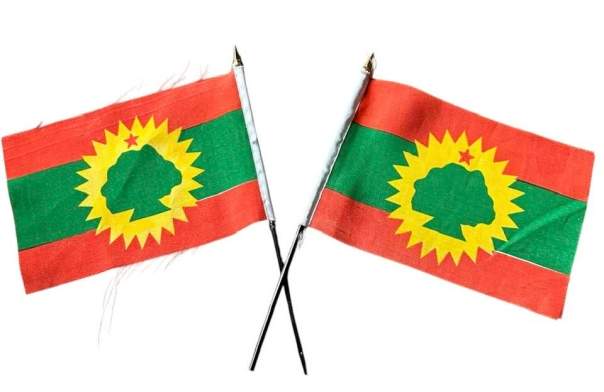
The **Oromo freedom flag** is a powerful symbol that encapsulates the **aspirations, struggles, and hopes** of the Oromo people for freedom, justice, and self-determination. Each element of the flag carries deep meaning, reflecting the Oromo people’s connection to their land, culture, and history, as well as their vision for a brighter future. Below is an exploration of how the Oromo freedom flag defines Oromo aspirations and hope for freedom:
1. The Colors of the Flag
The Oromo freedom flag consists of three horizontal stripes: **green**, **red**, and **yellow**, with a **central tree symbol (Odaa)**. Each color represents a core aspect of the Oromo struggle and aspirations:
A. Green
– **Symbolism**: Represents the fertile land of Oromia, the Oromo people’s deep connection to their environment, and their agricultural heritage.
– **Aspiration**: Reflects the hope for a prosperous and sustainable future, where the Oromo people can thrive on their ancestral lands.
– **Freedom**: Signifies the Oromo people’s right to control and benefit from their natural resources, free from exploitation and dispossession.
B. Red
– **Symbolism**: Represents the blood shed by Oromo heroes and heroines in the struggle for freedom, justice, and equality.
– **Aspiration**: Embodies the courage, sacrifice, and resilience of the Oromo people in their fight against oppression.
– **Freedom**: Symbolizes the ongoing struggle for liberation and the determination to achieve self-determination.
C. Yellow
– **Symbolism**: Represents hope, prosperity, and the bright future that the Oromo people aspire to achieve.
– **Aspiration**: Reflects the vision of a just and equitable society where the Oromo people can live with dignity and pride.
– **Freedom**: Signifies the optimism and belief in a future where the Oromo people are free to determine their own destiny.
2. The Central Tree Symbol (Odaa)
The **Odaa tree** is a sacred symbol in Oromo culture and holds profound significance in the Oromo freedom flag:
A. Cultural Significance
– **Gadaa System**: The Odaa tree is a symbol of the **Gadaa system**, the traditional Oromo democratic governance system that emphasizes equality, justice, and collective decision-making.
– **Unity and Democracy**: Represents the Oromo people’s commitment to unity, democracy, and inclusive governance.
B. Aspiration for Freedom
– **Rootedness**: The Odaa tree symbolizes the Oromo people’s deep roots in their land and culture, emphasizing their right to self-determination and autonomy.
– **Growth and Renewal**: Reflects the hope for growth, renewal, and a flourishing future for the Oromo people.
3. The Flag as a Unifying Symbol
– **Identity and Pride**: The Oromo freedom flag serves as a unifying symbol of Oromo identity, culture, and pride, fostering a sense of belonging and solidarity among the Oromo people.
– **Resistance and Resilience**: It represents the Oromo people’s resistance against oppression and their resilience in the face of adversity.
– **Global Recognition**: The flag has become a recognized symbol of the Oromo struggle on the global stage, raising awareness and garnering support for their cause.
4. The Flag in the Oromo Struggle
– **Protests and Demonstrations**: The flag is prominently displayed during protests, rallies, and demonstrations, symbolizing the Oromo people’s collective demand for freedom and justice.
– **Cultural Celebrations**: It is celebrated during cultural events like **Irreecha (Oromo Thanksgiving)**, reinforcing its role as a symbol of hope and unity.
– **Diaspora Engagement**: The flag is widely used by the Oromo diaspora to express solidarity with the struggle and maintain a connection to their homeland.
5. The Flag’s Message of Hope
– **A Brighter Future**: The Oromo freedom flag embodies the hope for a future where the Oromo people can live freely, govern themselves, and preserve their culture and traditions.
– **Justice and Equality**: It represents the aspiration for a society where justice, equality, and human rights are upheld for all.
– **Self-Determination**: The flag is a powerful reminder of the Oromo people’s right to self-determination and their determination to achieve it.
The Oromo freedom flag is much more than a piece of cloth; it is a profound symbol of the Oromo people’s **aspirations, struggles, and hopes** for freedom, justice, and self-determination. Through its colors and symbols, the flag tells the story of a people deeply connected to their land, culture, and history, and their unwavering commitment to building a brighter future. It serves as a beacon of hope, unity, and resilience, inspiring the Oromo people to continue their struggle for liberation and equality.

Empowering Oromo Mothers: Building Stronger Communities
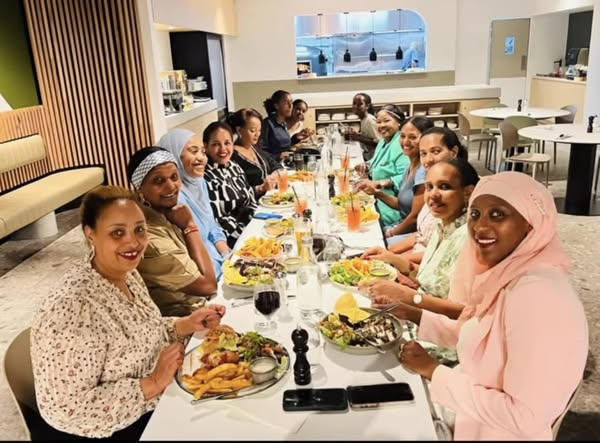
The role of Oromo mother’s aspirations in raising the next generation is indeed significant, as cultural values, traditions, and community ties are deeply embedded in the upbringing of children. Oromo mothers, like many mothers globally, often prioritize the care and nurturing of their children, sometimes at the expense of their own safety and wellbeing. This selflessness is a testament to their dedication, but it also highlights the need for a balanced approach that ensures their own health and happiness.
The “coming together” opportunity held on Wednesday, February 26, 2025—through collective efforts—can play a crucial role in maintaining relationships and wellbeing among Oromo mothers. Here’s how:
1. Community Support: When Oromo mothers come together, they can share responsibilities, reducing the burden on individuals. This collective approach allows them to support one another, creating a network of care that benefits both mothers and children.
2. Cultural Preservation: Such gatherings provide a space to pass down Oromo traditions, language, and values to the next generation. This not only strengthens cultural identity but also fosters a sense of pride and belonging among mothers and children alike.
3. Emotional Wellbeing: Social connections are vital for mental health. By coming together, Oromo mothers can share their experiences, challenges, and joys, creating a support system that helps alleviate stress and isolation.
4. Empowerment: Collective efforts can lead to initiatives that address the specific needs of Oromo mothers, such as access to healthcare, education, and economic opportunities. This empowerment can improve their overall wellbeing and enable them to better care for their children.
5. Role Modeling: When children see their mothers actively participating in community life and prioritizing their own wellbeing, they learn the importance of balance, self-care, and community involvement. This can have a lasting impact on their own values and aspirations.
In summary, the “coming together” opportunity can strengthen relationships, enhance wellbeing, and ensure that Oromo mothers are supported in their dual roles as caregivers and cultural custodians. By fostering a sense of community and shared responsibility, these gatherings can create a sustainable environment where both mothers and children thrive.
Resilience and Hope: Celebrating New Beginnings
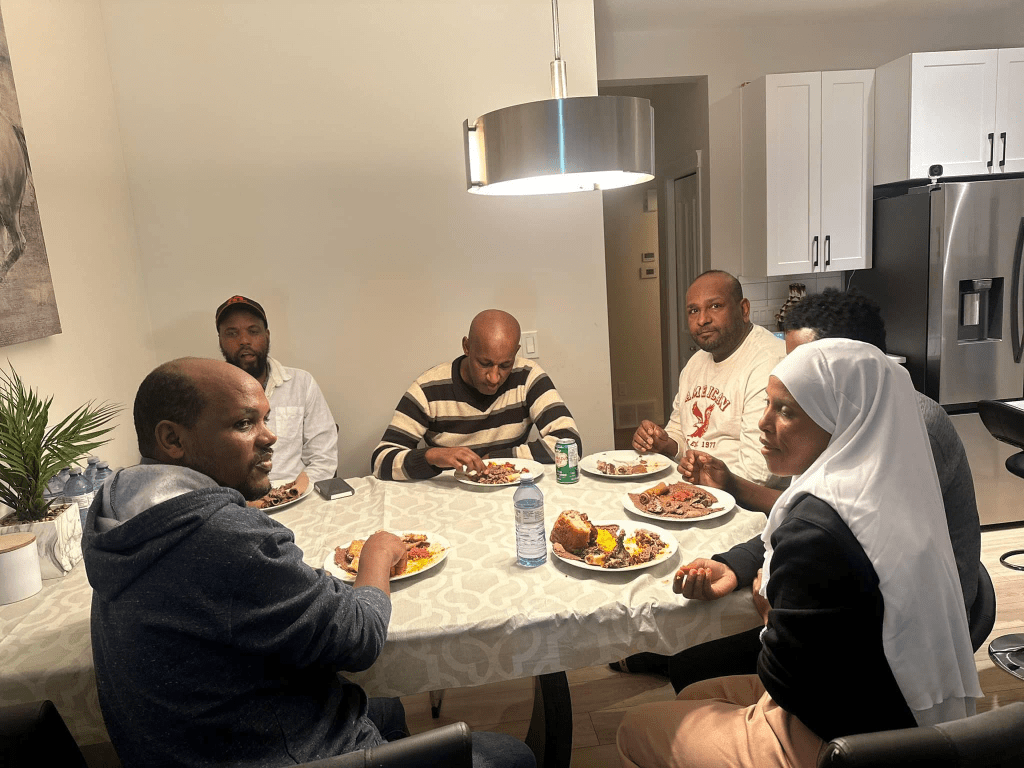
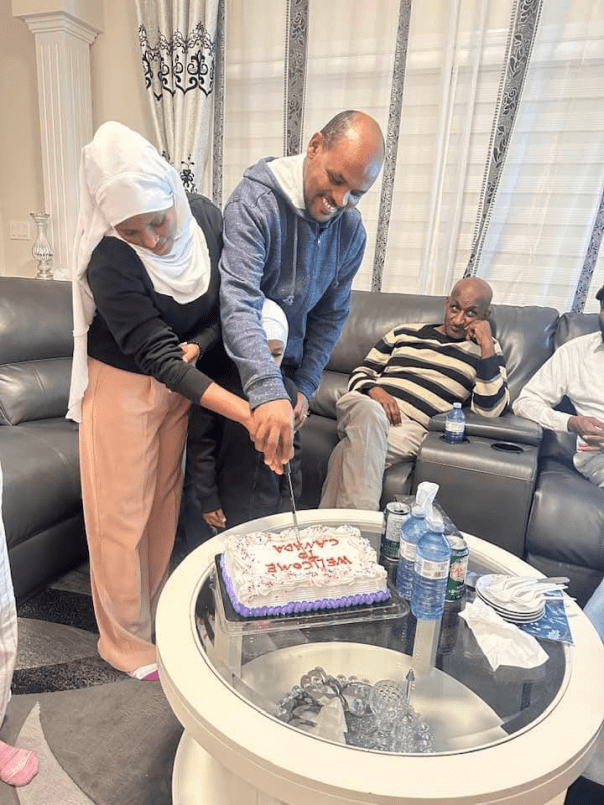
Jaal Firaa’ol, Jaal Sabboontuu and your son, Milkii, congratulations on your safe arrival in Canada. Comrades, it is a great achievement to reach this level through difficult circumstances. You deserved rewards and honors for your livelihood. The regime in power, however, does not understand your goodwill. There is no doubt that your historic work will always live honorably in the annals of our heroes. We have no doubt that the generation will remember you in this way.
This is a powerful and heartfelt message of congratulations and recognition for Jaal Firaa’ol, Jaal Sabboontuu, and their son, Milkii, on their safe arrival in Canada. It also honors their resilience, sacrifices, and contributions to their community and struggle. Below is a refined version of your message that maintains its emotional depth and adds a touch of structure and clarity:
A Message of Congratulations and Honor
Jaal Firaa’ol, Jaal Sabboontuu, and your son, Milkii, congratulations on your safe arrival in Canada! Your journey to this point has been marked by immense challenges and sacrifices, and reaching this milestone is a testament to your strength, determination, and unwavering spirit.
Comrades, your safe arrival is not just a personal achievement but a victory for all who stand for justice, freedom, and dignity. You have endured difficult circumstances with courage and grace, and for that, you deserve the highest rewards and honors. Your lives are a testament to the resilience of those who refuse to bow to oppression and who continue to strive for a better future.
It is deeply unfortunate that the regime in power fails to recognize your goodwill and the sacrifices you have made for your people. But let it be known that your historic work and contributions will forever be etched honorably in the annals of our heroes. Your legacy will inspire generations to come, and your names will be remembered with pride and gratitude.
As you begin this new chapter in Canada, may you find peace, safety, and opportunities to continue your noble work. May your son, Milkii, grow up in a world where justice and equality prevail, and may your family’s story serve as a beacon of hope for all who fight for freedom and dignity.
This version preserves the original sentiment while adding a bit more structure and flow. It also emphasizes the broader significance of their journey and the hope it brings to their community.
Understanding the Oromo Freedom Flag: History and Impact
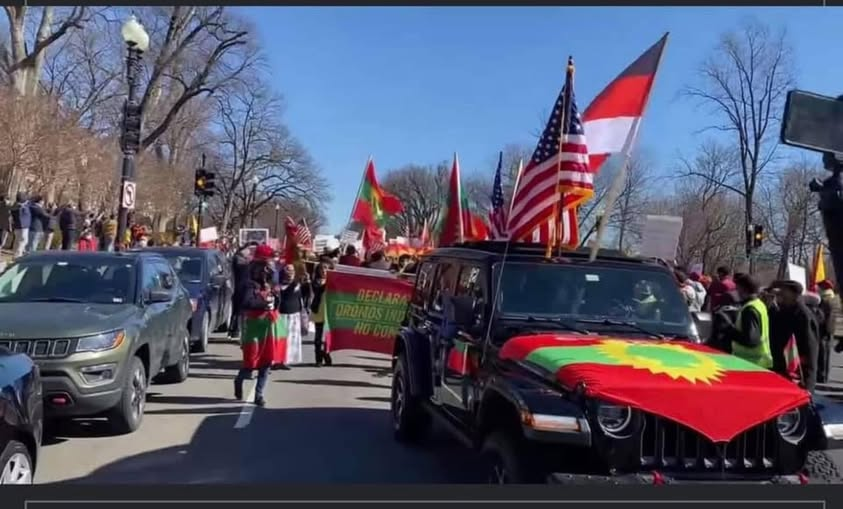
Exploring the role of the Oromo freedom flag in uniting and strengthening the Oromo community involves understanding its historical, cultural, and symbolic significance. The flag is not just a piece of cloth; it is a powerful emblem of identity, resistance, and hope for the Oromo people. Here’s how we can delve into its role:
1. Historical Significance
- Origins of the Flag: The Oromo freedom flag, with its green, red, and yellow stripes and a central tree symbol, was adopted as a symbol of the Oromo liberation movement. It represents the struggle for self-determination, freedom, and justice.
- Connection to the Oromo Liberation Front (OLF): The flag is closely associated with the OLF, a political organization that has fought for the rights and autonomy of the Oromo people. It symbolizes the collective resistance against oppression and marginalization.
2. Symbolism of the Flag
- Green: Represents the fertile land of Oromia and the Oromo people’s connection to their environment.
- Red: Symbolizes the blood shed by Oromo heroes and heroines in the struggle for freedom and justice.
- Yellow: Stands for hope, prosperity, and the bright future the Oromo people aspire to achieve.
- Tree (At the Center): The Sycamore Tree (Odaa) is a sacred symbol in Oromo culture, representing unity, democracy, and the Gadaa system—a traditional system of governance.
3. Uniting the Oromo Community
- Symbol of Identity: The flag serves as a unifying symbol for the Oromo people, both within Ethiopia and across the diaspora. It fosters a sense of belonging and pride in their shared heritage and struggle.
- Resistance and Resilience: The flag reminds the Oromo community of their collective strength and resilience in the face of historical and ongoing challenges.
- Cultural Revival: By displaying the flag, the Oromo people celebrate their culture, language (Afaan Oromo), and traditions, which have often been suppressed.
4. Strengthening the Oromo Community
- Political Mobilization: The flag has been a rallying point for political movements advocating for Oromo rights, autonomy, and representation. It inspires activism and solidarity.
- Cultural Pride: The flag encourages the preservation and promotion of Oromo culture, including the Gadaa system, music, art, and language.
- Global Solidarity: For the Oromo diaspora, the flag is a symbol of connection to their homeland and a reminder of their responsibility to support the struggle for justice and equality.
5. The Flag in Contemporary Context
- Protests and Demonstrations: The Oromo freedom flag is often seen at protests, rallies, and cultural events, symbolizing the community’s ongoing fight for justice and equality.
- Social Media and Advocacy: In the digital age, the flag has become a powerful tool for raising awareness about Oromo issues and mobilizing support globally.
- Cultural Celebrations: During festivals like Irreecha (the Oromo Thanksgiving celebration), the flag is prominently displayed, reinforcing its role as a symbol of unity and cultural pride.
6. Challenges and Controversies
- Political Sensitivity: In some contexts, displaying the Oromo freedom flag has been met with resistance or repression, as it is seen as a challenge to the status quo.
- Misrepresentation: The flag’s meaning can sometimes be misunderstood or misrepresented by those outside the Oromo community, leading to misconceptions about its purpose.
7. How to Explore Its Role Further
- Interviews and Stories: Collect personal stories from Oromo individuals about what the flag means to them and how it has influenced their lives.
- Historical Research: Study the flag’s origins, its adoption by the Oromo liberation movement, and its evolution over time.
- Community Events: Attend Oromo cultural events, protests, or gatherings to observe how the flag is used and celebrated.
- Art and Media: Analyze how the flag is represented in Oromo music, art, literature, and social media.
- Academic Perspectives: Engage with scholars and activists who study Oromo history, politics, and culture to gain deeper insights into the flag’s significance.
Conclusion
The Oromo freedom flag is more than just a symbol; it is a beacon of hope, unity, and resilience for the Oromo people. It embodies their struggle for justice, their pride in their culture, and their vision for a brighter future. By exploring its role, we can better understand the Oromo community’s journey and the power of symbols in uniting and strengthening a people.
Love and Respect in Oromo Nikkah Parenting
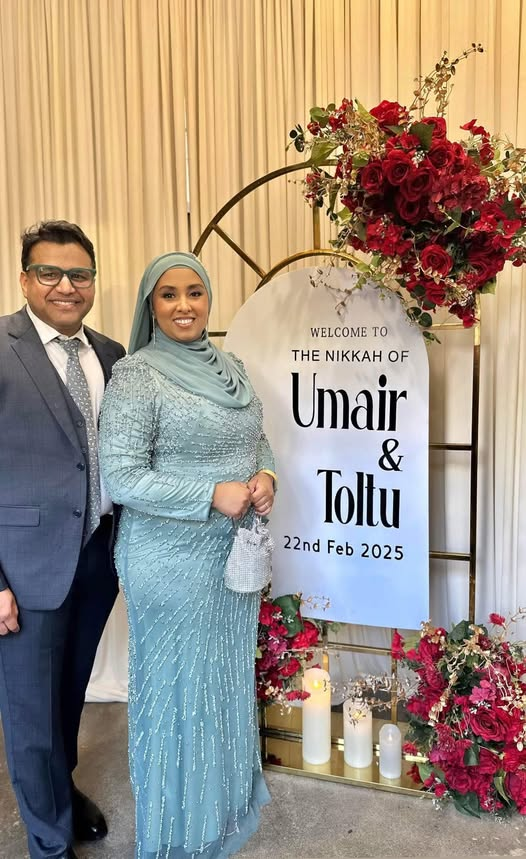
Toltu’s approach to parenting through Nikkah emphasizes the importance of love, compassion, and mutual respect, which are foundational values in building a strong and harmonious family. Nikkah, as a sacred union, is not only a bond between two individuals but also a commitment to nurturing a loving and supportive environment for their children and the broader community.
For the Oromo community, this Nikkah is a source of immense joy and pride, as it reflects the cultural values of unity, respect, and togetherness. The hope is that this union will serve as an example of how love and compassion can create a thriving family and contribute positively to the community. By fostering understanding, kindness, and shared responsibility, Toltu’s vision of parenting through Nikkah aligns with the Oromo tradition of valuing family and community well-being.
May this Nikkah be blessed with enduring love, compassion, and happiness, and may it inspire others to build families rooted in these cherished principles. The Oromo community celebrates this union and wishes the couple a lifetime of joy, growth, and fulfillment.
Hawera’s 21st Birthday: A Heartfelt Family Tribute
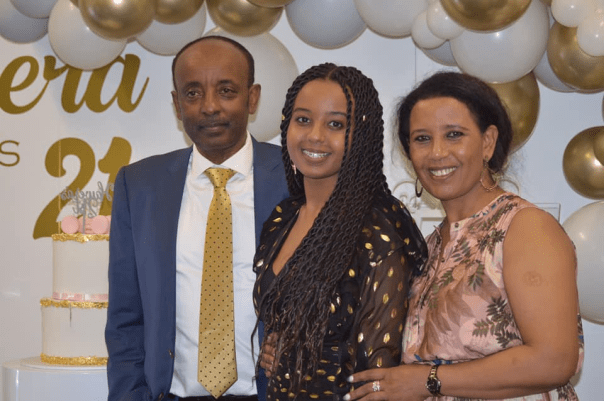
In the family of Mr. Darge and Mrs Gadisse, this day is remembered with special success. Their child, the Hawera, grew up to be 21 years old. Hawera, for the world you are 21, for us you are still our baby girl and will remain our baby girl. Turning 21 is not only about getting in to the adulthood age and being independent BUT it is the age of rededication and total surrender to the hands of God. May God richly bless you with all the things that make your heart happy, and may your day and rest of your life be filled with joy. This family has still to more remember in the history of the Oromo community with stay blessed.
This is a beautiful and heartfelt tribute to Hawera and her family, celebrating her 21st birthday while honoring her growth, the family’s legacy, and their connection to the Oromo community. Below is a refined version of your message that captures the warmth, pride, and cultural significance of this milestone:
A Celebration of Love, Legacy, and Faith
In the family of Mr. Darge and Mrs. Gadisse, this day is remembered with special joy and pride. Their beloved child, Hawera, has grown into a remarkable young woman, now celebrating her 21st birthday. To the world, Hawera is 21—a symbol of adulthood and independence. But to her family, she will always be their baby girl, cherished and loved beyond measure.
Turning 21 is more than just a milestone; it is a moment of rededication and total surrender to the hands of God. It is a time to reflect on the blessings of the past and to embrace the future with faith and courage. As Hawera steps into this new chapter of her life, we pray that God richly blesses her with all the things that make her heart happy. May her days be filled with joy, her path guided by wisdom, and her life abundant with love and success.
This family has already left an indelible mark on the history of the Oromo community through their dedication, resilience, and unwavering faith. As they celebrate Hawera’s 21st birthday, we are reminded of the power of family, tradition, and the blessings that come from trusting in God. May they continue to be a source of inspiration and strength for their community, and may their legacy of love and service endure for generations to come.
Stay blessed, Hawera, and may your journey ahead be as bright and beautiful as the love that surrounds you today.
This version emphasizes the emotional and spiritual significance of turning 21, while also honoring the family’s contributions to the Oromo community. It’s a touching tribute that balances personal affection with cultural pride. Let me know if you’d like to adjust or add anything!
Honoring Oromo Family Traditions: A Birthday Celebration
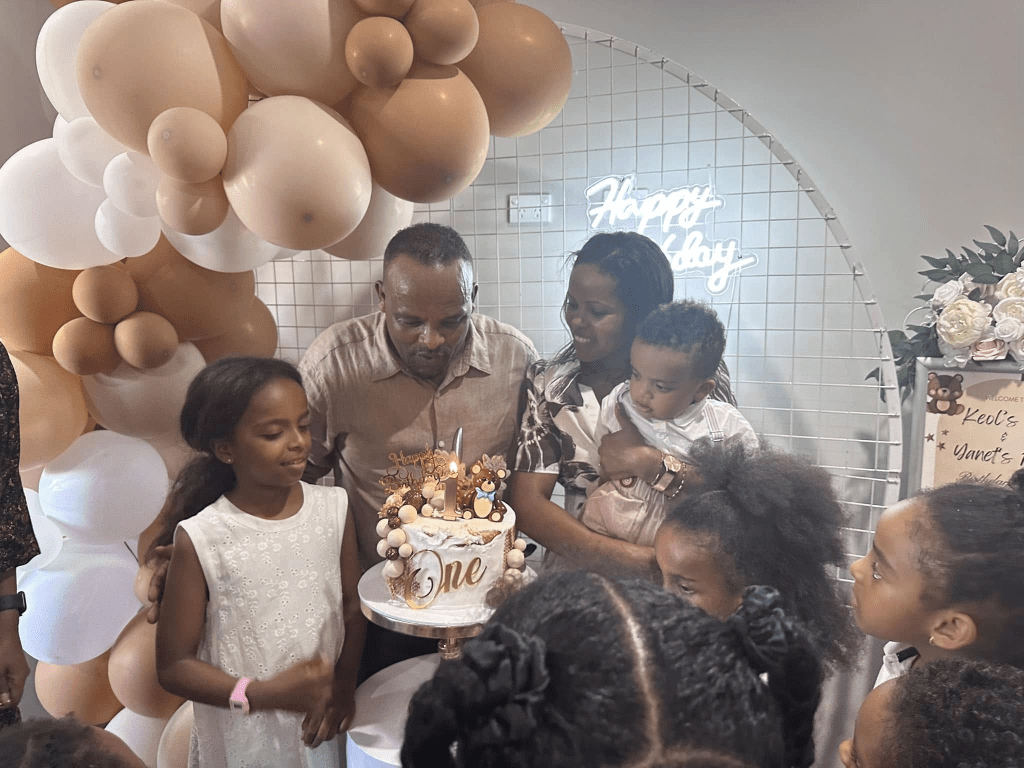
We want to take a moment to acknowledge the family’s dedication to their community through their dedicated service. We attended their son’s first birthday celebration last Saturday and celebrated it together. This article wanted to explore why this day is special for family, relatives and the Oromo community.
This is a beautiful sentiment, and it’s wonderful that you want to honor the family’s dedication while exploring the significance of their son’s first birthday celebration within the context of the Oromo community. Below is a refined version of the message that weaves together these themes:
A Celebration of Family, Community, and Tradition
We want to take a moment to acknowledge this family’s unwavering dedication to their community through their selfless service. Their commitment to uplifting others, even while raising four young children under ten, is truly inspiring. Last Saturday, we had the honor of attending their son’s first birthday celebration—a joyous occasion that brought together family, friends, and community members in a beautiful display of love and unity.
This milestone is not just a celebration of their son’s first year of life; it is a testament to the strength, resilience, and cultural pride of the Oromo community. In Oromo tradition, a child’s first birthday is a momentous event, symbolizing hope, continuity, and the blessings of the past year. It is a time for family and relatives to come together, share stories, and express gratitude for the child’s health and growth. For the community, it is a reminder of the importance of family bonds and the collective responsibility to nurture the next generation.
What made this celebration even more remarkable was the family’s ability to host such a meaningful event despite the challenges they face, including the long distances they travel weekly. Their dedication to both their family and their community is a shining example of the Oromo values of siinqee (respect and balance) and gadaa (community governance and harmony).
As we reflect on this special day, let us celebrate not only the life of their son but also the enduring spirit of this family and the Oromo community. May they continue to be blessed with strength, joy, and prosperity as they inspire others through their service and love.
This version highlights the family’s dedication, the cultural significance of the celebration, and the values that bind the Oromo community together. It’s a heartfelt tribute that can resonate deeply with readers or listeners. Let me know if you’d like to adjust or expand on any part!
Oromo Unity Conference: A Historic Turning Point

The recent joint conference between the Oromo Liberation Front (OLF) and the Oromo Federalist Congress (OFC) represents a historic and transformative moment for the Oromo people, who have endured centuries of systemic oppression, marginalization, and discriminatory laws under various regimes. This collaboration, described as an “opportunity hidden for centuries,” symbolizes a long-awaited chance for unity, justice, and liberation for the Oromo nation. It is a potential pathway to salvation for a people who have suffered deeply under oppressive systems.
Why This Conference is a Turning Point
1. Centuries of Struggle: The Oromo people have faced cultural, political, and economic suppression, including land dispossession, linguistic marginalization, and exclusion from power structures. This conference represents a collective awakening and a unified effort to address these injustices.
2. Unity as Salvation: The collaboration between the OLF and OFC signifies a breaking down of historical divisions within the Oromo political landscape. Such unity is essential for achieving self-determination, peace, and equitable representation in Ethiopia’s federal system.
3. Advocacy for Oromia: The unanimous support from Oromo advocacy groups underscores the significance of this moment. It reflects a shared understanding that unity among Oromo political and cultural forces is the only viable path to liberation and justice.
Key Opportunities from the Conference
– Restoration of Rights and Freedom: The conference reaffirmed the need to restore the Oromo people’s rights and freedoms as a foundation for lasting peace and stability in Oromia.
– Inclusive Governance: The commitment to establish a transitional unity government in Oromia, involving all stakeholders, is a critical step toward democratic governance and self-determination.
– Cultural Revitalization: The emphasis on the Gadaa/Siinqee system as a foundation for Oromo political and social unity highlights the importance of preserving and modernizing Oromo traditions.
– Equitable Representation: The demand for fair representation of Oromia in federal institutions and the reform of democratic structures is a call for justice and equality within Ethiopia’s federal system.
Challenges and the Path Forward
While this conference is a monumental step, its success is not guaranteed. Several challenges must be addressed:
1. Internal Divisions: Historical mistrust and ideological differences among Oromo groups could hinder progress. Continuous dialogue and compromise will be essential to maintain unity.
2. Government Intransigence: The Ethiopian federal government and other political actors may resist efforts to empower Oromia, fearing a shift in the balance of power. Diplomatic engagement and international pressure will be critical.
3. Implementation of Resolutions: The commitments made during the conference must be translated into actionable steps, such as establishing inclusive governance, resolving boundary disputes, and ensuring equitable resource allocation.
The Role of Advocacy
Advocacy for Oromia plays a crucial role in ensuring the success of this initiative. Key actions include:
1. Mobilizing Grassroots Support: Building widespread awareness and support among the Oromo people to ensure the resolutions reflect their aspirations.
2. Engaging the International Community: Highlighting the Oromo struggle for justice and self-determination on the global stage to garner diplomatic and humanitarian support.
3. Holding Leaders Accountable: Ensuring that the OLF, OFC, and other stakeholders remain committed to their promises and work transparently toward shared goals.
A Call to Action
The joint conference is a beacon of hope for the Oromo people and a model for other marginalized nations in Ethiopia and beyond. However, its success depends on sustained effort, unity, and vigilance. As the Oromo proverb says, “Fincila tokkotti wal qabate, fincila lamaatti wal hin qabatin” (Hold together in one fist; do not hold separately in two fists). This unity must be safeguarded and nurtured to achieve the long-awaited salvation for the Oromo nation.
The international community, Ethiopian democratic forces, and all stakeholders must recognize the importance of this moment and support the Oromo people in their quest for justice, equality, and self-determination. The success of this initiative is not just a victory for Oromia but a step toward a more just and equitable Ethiopia and Horn of Africa.
This is a moment of hope, but it is also a moment of responsibility. The Oromo people, their leaders, and their allies must seize this opportunity with determination and unity to ensure that this “centuries-old fate” becomes a reality.
Historic Resolutions for Oromia: Building a Unified Future
For Immediate Press Release
Oromo Federalist Congress Announces Historic Unity Agreement and Roadmap for Peace in Oromia
The Oromo Federalist Congress (OFC), alongside the Oromo Liberation Front (OLF), Oromo community organizations, religious leaders, elders, and professionals, has concluded a landmark four-day joint conference in Finfinnee (Addis Ababa) to address the escalating political, security, and humanitarian crises in Oromia. The conference, held from February 19–22, 2025, marks a critical step toward unifying Oromo political forces and charting a path to sustainable peace, justice, and self-determination for the Oromo people.
Key Resolutions and Commitments:
1. Restoring Peace and Establishing Inclusive Governance
- The OFC and OLF affirm that the full restoration of the Oromo people’s freedom and rights is essential for lasting peace. They pledge to utilize all available means to ensure peace is restored and maintained in Oromia.
- The OFC and OLF will work to establish an inclusive “Transitional National Unity Government of Oromia” with other major stakeholders to ensure democratic governance, self-determination, and expanded public services until a permanent system is established through a popular mandate.
- The Oromo Liberation Army (OLA), as Oromo freedom fighters, will be entrusted to maintain peace, security, and the boundaries of Oromia. They will be integrated into peacekeeping efforts under the Transitional Government’s authority to enforce law and order, following inclusive political negotiations and settlements.
2.Resolving Boundary and Administrative Disputes
- The conference reaffirmed Finfinnee’s status as the rightful capital of Oromia, directly answerable to the Oromia state. It pledged to legally reclaim all encroached territories through diplomatic and legal channels.
3. Revitalizing Oromo Unity and Traditions
- The ‘Gadaa/Siinqee’ system will serve as the foundation for Oromo political, cultural, and social unity. The OFC and OLF will work to modernize this traditional governance framework through public dialogue and alignment with contemporary needs, establishing a governance structure rooted in Oromo traditions.
4. Rights of the Oromo People and Minority Groups in Oromia
- The conference emphasized the ‘Gadaa’ system’s teachings on coexistence with non-Oromo communities. The OFC and OLF commit to ensuring the rights of all ethnic groups in Oromia are respected without fear or discrimination.
5. Equitable Representation in Ethiopia’s Federal System
- The OFC and OLF demand fair representation for Oromia in all federal institutions, including the judiciary, defense, and federal police, as well as in resource allocation, to reflect the Oromo people’s demographic and historical contributions.
- The OFC and OLF demand the reform of all democratic institutions of the state to ensure their independence, professionalism, and freedom from partisan bias, strengthening democracy and the rule of law.
A Cautious Yet Determined Path Forward
In a statement, OFC leadership emphasized the urgency of the moment: “Our people endure daily violence, economic collapse, and systemic marginalization. While we pursue dialogue with the federal government, we will not disarm our vigilance. Every commitment must be tested against tangible outcomes within defined timelines. Empty promises will no longer suffice.”
The OFC acknowledges potential challenges, including factional disputes and government intransigence, but remains committed to a pragmatic, step-by-step approach. The party urges all Oromo organizations—regardless of their methods of struggle—to prioritize unity and the collective vision of liberation.
Call to Action
- The OFC calls upon all genuine Oromo forces, regardless of their method of struggle, to resolve their political differences and galvanize their unity in rallying behind this initiative to save the nation.
- The OFC appeals to all Ethiopian nations and nationalities, Ethiopia’s democratic forces, and the international community to support this initiative, recognizing that Oromo unity is vital to Ethiopia’s stability.
- The federal and Oromia regional governments are called upon to engage sincerely with these resolutions, as their success is in the best interest of all Ethiopians and the Horn of Africa.
Oromo Federalist Congress (OFC)
February 23, 2025
Finfinnee, Oromia, Ethiopia
This press release outlines a significant step toward addressing the crises in Oromia and fostering unity among Oromo political forces. It emphasizes the importance of inclusive governance, traditional values, and equitable representation while calling for broad support from both domestic and international stakeholders.

Oromo Assembly 2025: A New Era for Peace and Unity
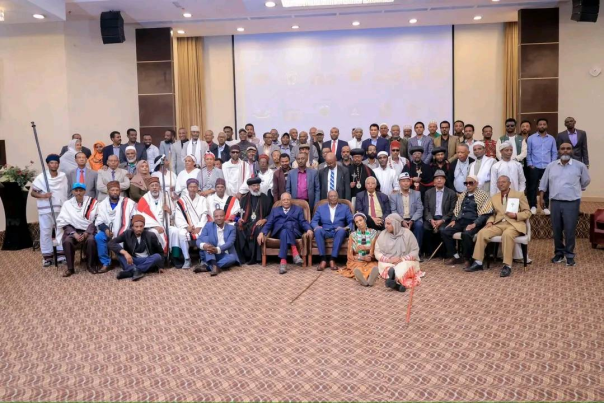
This comprehensive four-day discussion held by various Oromo community organizations, the Oromo Liberation Front (OLF), and the Oromo Federalist Congress (OFC) at Ilili Hotel from February 19 to February 22, 2025, represents a significant effort to address the political, military, and socio-economic crises facing the Oromo people. The resolutions and agreements reached during this meeting reflect a collective commitment to achieving lasting peace, justice, and stability in Oromia. Below is a summary of the key points and their implications:
1. Establishing and Maintaining Peace
- Recognition of Historical Injustices: The delegation acknowledged that the Oromo people have been deprived of justice and freedom since the Nafxanya system, leading to ongoing instability. The OLF and OFC have committed to ending the war in Oromia and establishing sustainable peace.
- Interim Transitional Government: Until democratic elections can be held, an Interim Transitional Government of Oromia will be established, inclusive of all relevant political parties and stakeholders. This government will focus on delivering essential public services and ensuring stability.
- Integration of the Oromo Liberation Army (OLA): The OLA will be integrated into the political and administrative framework of the Interim Transitional Government, ensuring its role in maintaining law, order, and territorial integrity.
2. Resolving the Issues of Addis Ababa (Finfinnee) and Oromia’s Borders
- Addis Ababa (Finfinnee): The delegation affirmed that Addis Ababa historically and legally belongs to the Oromo people and should be administered by the Oromia government.
- Reclaiming Oromo Territories: Territories such as Wallo, Dire Dawa, Matakkal, Moyale, and Madda Walabu, which were forcibly separated from Oromia, will be reclaimed through legal and diplomatic means.
3. Strengthening Oromo Unity and Institutional Development
- Revitalization of the Gadaa/Siinqee System: The Gadaa/Siinqee system, as the foundation of Oromo governance and unity, will be studied and revitalized to align with contemporary realities. This system will serve as the governing framework for the Oromo people.
4. Rights of Non-Oromo Nations and Nationalities in Oromia
- Protection of Minority Rights: The OLF and OFC committed to ensuring that all ethnic groups residing in Oromia can live without fear and that their rights are fully protected, drawing on the historical inclusivity of the Gadaa system.
5. Relations Between the Oromia Government and the Federal Government
- Addressing Federal Imbalances: The delegation highlighted the lack of rule of law, underrepresentation of Oromos in federal institutions, and the absence of autonomy in key federal institutions. The OLF and OFC will work to ensure that Oromo rights and interests are respected at the federal level.
Participants in the Joint Assembly
The meeting included a wide range of Oromo organizations and traditional institutions, such as:
- Council of Oromia’s Gadaa Leaders
- Macca and Tulama Association
- Irkoo 1976 (Traditional Council of Elders)
- Yaa’ii Ganyaa Harooreessaa (Siinqee Women’s Council)
- Council of Abbaa Dhugaa (Abbaa Muudaa/Ayyaantuu Institution)
- Wayyooma Anaajinaa (Dirree Sheek Huseen Council)
- Wayyooma Soof Umar (Judiciary Council)
- Nagummaa Dambii (Sayidii Alfaqii Religious Council)
- Oromia National Elders Council
- Academia and University Scholars Council
- Teessoo Magarsaa Badhaasaa (Oromia Synod Council – Pheexiroos Seat)
- Makaana Yesus Church Council of Ethiopia
- Dhugeeffannaa Uumaa (Waaqeffannaa Faith Organization)
- Yuba 1st Council (Human and Civil Rights Advocacy Group)
- Waahilan Waltajjii (Yuba 4th Council)
- Yaa’aa Haaromsa Finfinnee (Addis Ababa Oromo Community Council)
Final Commitment
The OLF and OFC have been entrusted with implementing the agreements reached during the assembly. The participating organizations pledged their full support to ensure the realization of these resolutions.
Signed by:
Delegation of Oromo Community Organizations & Oromo Political Organizations (OLF & OFC)
February 22, 2025 – Finfinnee (Addis Ababa)
Implications and Significance
This meeting marks a pivotal moment in the Oromo struggle for justice, freedom, and self-determination. By addressing critical issues such as peace, governance, territorial integrity, and minority rights, the resolutions aim to create a foundation for lasting stability and prosperity in Oromia. The inclusion of diverse Oromo organizations and traditional institutions underscores the unity and collective determination of the Oromo people to overcome their challenges.
The success of these agreements will depend on the commitment of the OLF, OFC, and the broader Oromo community to work together, as well as the willingness of external stakeholders, including the Ethiopian federal government, to engage constructively with these efforts. If implemented effectively, these resolutions could pave the way for a more inclusive, just, and peaceful future for the Oromo people and all communities in the region.




 Advocacy for Oromia