Daily Archives: February 1, 2025
How Qaalluu Leaders Empower the Oromo Community
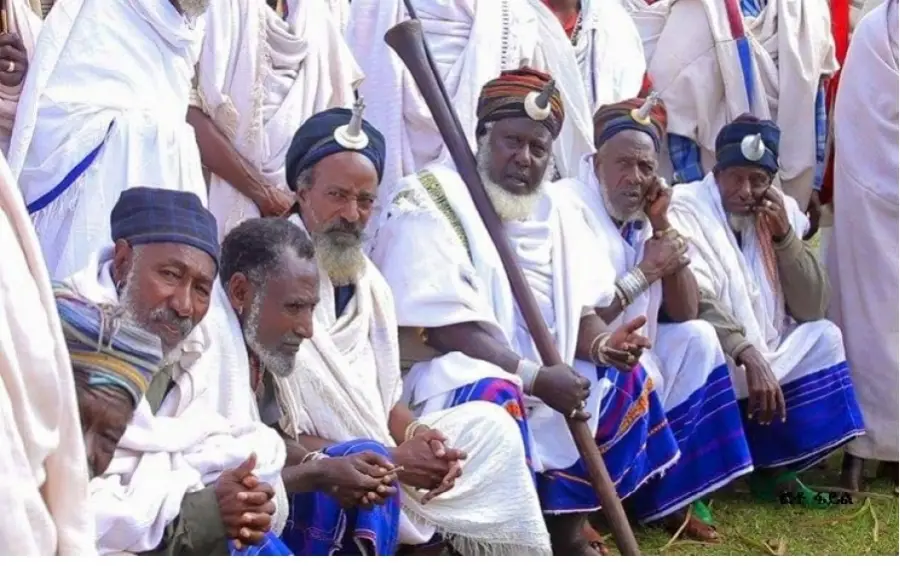
The Qaalluu (also spelled Qallu or Qaallu) are traditional religious leaders in the Oromo culture and play a significant role in the spiritual, social, and cultural life of the Oromo people. The Qaalluu institution is deeply rooted in the Waaqeffannaa religion, the indigenous faith of the Oromo, which centers on the worship of Waaqa (God). Qaalluu leaders are highly respected and serve as intermediaries between the community and the divine. Their contributions to strengthening and empowering the community are multifaceted and deeply impactful.
Roles of Qaalluu in Strengthening and Empowering the Community
1. Spiritual Guidance and Ritual Leadership
- Role: Qaalluu leaders conduct religious rituals, prayers, and ceremonies, such as Irreecha (thanksgiving festival), and provide spiritual guidance to the community.
- Impact: They help maintain spiritual harmony, connect the community to its cultural and religious roots, and foster a sense of unity and identity.
2. Preservation of Cultural and Religious Heritage
- Role: Qaalluu leaders are custodians of Oromo traditions, oral history, and the Waaqeffannaa faith. They pass down knowledge, rituals, and values to younger generations.
- Impact: This preserves the Oromo cultural and religious identity, ensuring that traditions are not lost and continue to empower future generations.
3. Conflict Resolution and Peacebuilding
- Role: Qaalluu leaders often act as mediators in conflicts, using traditional methods of reconciliation and forgiveness to resolve disputes within the community.
- Impact: Their role in peacebuilding promotes social harmony, reduces violence, and strengthens relationships among community members.
4. Moral and Ethical Leadership
- Role: Qaalluu leaders promote ethical behavior, honesty, and respect for others through their teachings and personal example.
- Impact: This fosters a community grounded in strong moral values, reducing corruption and promoting trust and cooperation.
5. Community Cohesion and Unity
- Role: Qaalluu leaders organize and lead community gatherings, festivals, and ceremonies that bring people together.
- Impact: These events foster a sense of belonging, solidarity, and shared identity, which are essential for a strong and cohesive community.
6. Counseling and Emotional Support
- Role: Qaalluu leaders provide guidance and support to individuals and families facing personal, emotional, or spiritual challenges.
- Impact: Their counseling helps resolve conflicts, heal relationships, and provide emotional stability to community members.
7. Advocacy for Social Justice
- Role: Qaalluu leaders often advocate for fairness, equality, and the rights of marginalized groups within the community.
- Impact: Their advocacy can lead to positive social change, empower vulnerable populations, and promote inclusivity.
8. Environmental Stewardship
- Role: In the Waaqeffannaa faith, nature is considered sacred, and Qaalluu leaders emphasize the importance of protecting the environment.
- Impact: This promotes sustainable practices, environmental conservation, and respect for natural resources.
9. Role Modeling and Mentorship
- Role: Qaalluu leaders serve as role models, inspiring others through their wisdom, humility, and commitment to service.
- Impact: Their mentorship guides young people and community members toward positive life choices and personal growth.
10. Strengthening Family and Community Values
- Role: Qaalluu leaders emphasize the importance of family values, respect for elders, and community solidarity.
- Impact: This strengthens family units, reduces domestic conflicts, and creates a stable environment for children.
Challenges Faced by Qaalluu Leaders
While Qaalluu leaders play a vital role in their communities, they also face challenges, including:
- The erosion of traditional practices due to modernization and external influences.
- Limited resources to address the needs of their communities.
- Balancing traditional roles with the demands of a changing society.
Conclusion
The Qaalluu institution is a cornerstone of Oromo culture and spirituality. Qaalluu leaders contribute significantly to strengthening and empowering their communities by providing spiritual guidance, preserving cultural heritage, resolving conflicts, and promoting moral and ethical values. Their work fosters unity, resilience, and a deep sense of identity among the Oromo people. Recognizing and supporting the role of Qaalluu leaders is essential for the continued preservation and empowerment of Oromo culture and community.

The Essential Role of Sheikhs in Community Empowerment
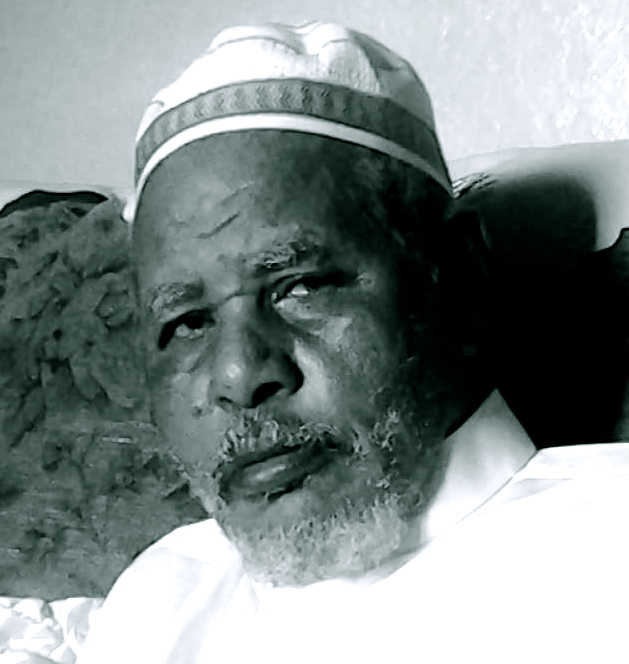
Sheikhs, as religious and community leaders in Islamic societies, play a vital role in strengthening and empowering their communities. Their contributions extend beyond spiritual guidance to include social, educational, and moral leadership. Here are some key roles that sheikhs play in strengthening and empowering communities:
1. Spiritual Guidance and Religious Education
- Role: Sheikhs provide spiritual guidance, teach Islamic principles, and help community members understand their faith.
- Impact: This fosters a sense of purpose, moral grounding, and spiritual well-being among individuals.
2. Moral and Ethical Leadership
- Role: Sheikhs promote ethical behavior, honesty, and integrity through their teachings and personal example.
- Impact: This helps build a community grounded in strong moral values, reducing corruption and promoting trust.
3. Counseling and Emotional Support
- Role: Sheikhs often act as counselors, offering advice and support to individuals and families facing personal, marital, or emotional challenges.
- Impact: Their guidance helps resolve conflicts, heal relationships, and provide emotional stability.
4. Community Building and Social Cohesion
- Role: Sheikhs organize religious gatherings, such as Friday prayers (Jumu’ah), Eid celebrations, and community events.
- Impact: These activities foster unity, solidarity, and a sense of belonging among community members.
5. Advocacy for Social Justice
- Role: Many sheikhs advocate for justice, equality, and the rights of marginalized groups, aligning with Islamic principles of fairness and compassion.
- Impact: Their advocacy can lead to positive social change, empower vulnerable populations, and promote inclusivity.
6. Education and Empowerment
- Role: Sheikhs often lead or support educational initiatives, such as Quranic schools (Madrasas), literacy programs, and vocational training.
- Impact: These efforts empower individuals with knowledge and skills, improving their livelihoods and contributing to community development.
7. Conflict Resolution and Peacebuilding
- Role: Sheikhs frequently act as mediators in conflicts, using Islamic principles of forgiveness and reconciliation to resolve disputes.
- Impact: Their role in peacebuilding promotes harmony, reduces violence, and strengthens relationships within the community.
8. Charitable Work and Humanitarian Aid
- Role: Sheikhs often lead or support charitable initiatives, such as Zakat (obligatory almsgiving), Sadaqah (voluntary charity), and community welfare programs.
- Impact: These efforts address immediate needs, alleviate poverty, and demonstrate compassion and solidarity.
9. Role Modeling and Mentorship
- Role: Sheikhs serve as role models, inspiring others through their piety, humility, and commitment to service.
- Impact: Their mentorship guides young people and community members toward positive life choices and personal growth.
10. Promoting Family Values and Stability
- Role: Sheikhs emphasize the importance of family values, marriage, and parenting through teachings and counseling.
- Impact: This strengthens family units, reduces domestic conflicts, and creates a stable environment for children.
11. Encouraging Community Development
- Role: Sheikhs may initiate or support community development projects, such as building mosques, schools, clean water systems, or healthcare facilities.
- Impact: These projects improve the quality of life for community members and contribute to long-term development.
12. Preserving Cultural and Religious Identity
- Role: Sheikhs play a key role in preserving and promoting Islamic culture, traditions, and values.
- Impact: This helps maintain a strong cultural and religious identity, especially in diverse or changing societies.
Challenges Faced by Sheikhs:
While sheikhs play a vital role in communities, they also face challenges, including:
- Limited resources to address the needs of their communities.
- Balancing religious duties with social and community responsibilities.
- Navigating cultural or political pressures in their work.
Conclusion:
Sheikhs are integral to the fabric of many communities, particularly in Islamic societies. Their contributions go beyond spiritual leadership, encompassing social, educational, and developmental support. By addressing both the spiritual and practical needs of their communities, sheikhs play a crucial role in empowering individuals, strengthening families, and fostering unity and resilience. Recognizing and supporting their work can lead to stronger, more vibrant communities.
The Impact of Pastors on Community Empowerment
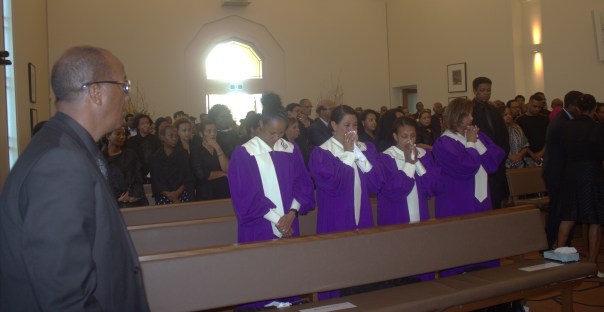
Pastors and religious leaders play a significant role in strengthening and empowering communities, particularly in areas where faith and spirituality are deeply intertwined with daily life. Their contributions extend beyond spiritual guidance and often encompass social, emotional, and even economic support. Here are some key roles that pastors and religious leaders play in strengthening and empowering communities:
1. Spiritual Guidance and Moral Leadership
- Role: Pastors provide spiritual guidance, helping individuals and families navigate life’s challenges through faith-based teachings.
- Impact: They promote moral values, ethical behavior, and a sense of purpose, which can foster unity and resilience in the community.
2. Counseling and Emotional Support
- Role: Pastors often serve as counselors, offering support to individuals and families dealing with grief, trauma, marital issues, or personal struggles.
- Impact: Their emotional support can help community members cope with difficulties, reduce stress, and build stronger relationships.
3. Community Building and Social Cohesion
- Role: Pastors organize and lead community gatherings, worship services, and events that bring people together.
- Impact: These activities foster a sense of belonging, unity, and shared identity, which are essential for a strong and cohesive community.
4. Advocacy for Justice and Equality
- Role: Many pastors advocate for social justice, equality, and the rights of marginalized groups within the community.
- Impact: Their advocacy can lead to positive social change, empower vulnerable populations, and promote fairness and inclusivity.
5. Education and Empowerment
- Role: Pastors often engage in educational initiatives, such as teaching literacy, life skills, or vocational training, especially in underserved areas.
- Impact: These efforts empower individuals with knowledge and skills, improving their livelihoods and contributing to community development.
6. Conflict Resolution and Peacebuilding
- Role: Pastors frequently act as mediators in conflicts, helping to resolve disputes within families or the broader community.
- Impact: Their role in peacebuilding promotes harmony, reduces violence, and strengthens relationships.
7. Charitable Work and Humanitarian Aid
- Role: Many pastors lead or support charitable initiatives, such as feeding programs, healthcare services, or disaster relief efforts.
- Impact: These efforts address immediate needs, alleviate suffering, and demonstrate compassion and solidarity within the community.
8. Role Modeling and Mentorship
- Role: Pastors often serve as role models, inspiring others through their actions, integrity, and commitment to service.
- Impact: Their mentorship can guide young people and community members toward positive life choices and personal growth.
9. Promoting Family Values and Stability
- Role: Pastors often emphasize the importance of family values, marriage, and parenting through teachings and counseling.
- Impact: This focus can strengthen family units, reduce domestic conflicts, and create a stable environment for children.
10. Encouraging Community Development
- Role: Pastors may initiate or support community development projects, such as building schools, clean water systems, or healthcare facilities.
- Impact: These projects improve the quality of life for community members and contribute to long-term development.
Challenges Faced by Pastors:
While pastors play a vital role in communities, they also face challenges, including:
- Limited resources to address the needs of their congregations.
- Balancing spiritual duties with social and community responsibilities.
- Navigating cultural or political pressures in their work.
Conclusion:
Pastors and religious leaders are integral to the fabric of many communities. Their contributions go beyond spiritual leadership, encompassing social, emotional, and developmental support. By addressing both the spiritual and practical needs of their communities, pastors play a crucial role in empowering individuals, strengthening families, and fostering unity and resilience. Recognizing and supporting their work can lead to stronger, more vibrant communities.
The urgent need to address systemic violence and human rights abuses occurring in Oromia.

The tragic and horrifying case of Simboo Birhaanuu, a 10-year-old girl who was raped and murdered in Meta-Welkite town, West Showa Zone, Oromia, is deeply disturbing and heartbreaking. This heinous crime not only represents a grave violation of human rights but also highlights the urgent need for justice, accountability, and systemic change to protect children and vulnerable members of society.
Key Points About the Case:
- Victim: Simboo Birhaanuu, a 10-year-old girl.
- Location: Minare village, Meta-Welkite town, West Showa Zone, Oromia.
- Crime: Rape and murder to cover up the crime.
- Perpetrators: The individuals responsible for this act must be identified, arrested, and brought to justice.
Calls to Action:
- Oromia Police: We urge the Oromia Police to conduct a thorough and transparent investigation into this case. Every effort must be made to identify and apprehend the perpetrators.
- Oromia Justice Office: The justice office must ensure that this case is given the highest priority and that the legal process is swift, fair, and impartial.
- Oromia Courts: The courts must ensure that the perpetrators, once identified, face the full force of the law. Justice must be served to deter such crimes in the future.
- Community and Advocacy Groups: It is crucial for community leaders, advocacy groups, and civil society organizations to raise awareness about this case and demand justice for Simboo Birhaanuu.
Advocacy for Oromia’s Stance:
Advocacy for Oromia, along with other human rights organizations, condemns this heinous act in the strongest terms. Such crimes are not only a violation of the victim’s rights but also an attack on the moral fabric of society. We call for:
- Justice for Simboo Birhaanuu: The perpetrators must be held accountable.
- Protection of Children: Stronger measures must be implemented to protect children from violence, abuse, and exploitation.
- Systemic Change: There must be systemic reforms to address the root causes of such crimes, including improving law enforcement, legal systems, and community awareness.
Broader Implications:
This case highlights the urgent need for:
- Awareness and Education: Communities must be educated about the rights of children and the importance of reporting crimes.
- Support for Victims: Systems must be in place to support victims of sexual violence and their families.
- Legal Reforms: Laws must be strengthened to ensure that perpetrators of such crimes face severe consequences.
Conclusion:
The rape and murder of Simboo Birhaanuu is a stark reminder of the vulnerabilities faced by children and the need for collective action to protect them. We stand in solidarity with her family and the community in demanding justice. Let this tragic case serve as a call to action for all stakeholders to work together to prevent such atrocities and ensure that justice is served.
#JusticeForSimbooBirhaanuu
#ProtectOurChildren
#EndViolenceAgainstChildren




 Advocacy for Oromia