The Impact of Pastors on Community Empowerment
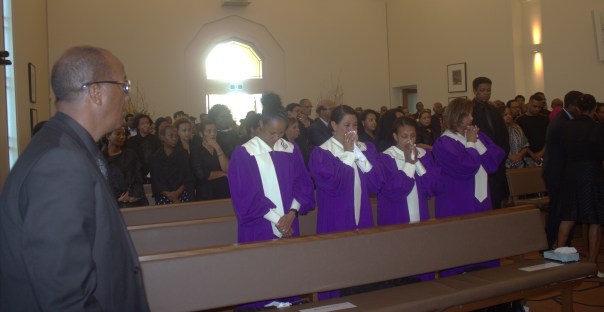
Pastors and religious leaders play a significant role in strengthening and empowering communities, particularly in areas where faith and spirituality are deeply intertwined with daily life. Their contributions extend beyond spiritual guidance and often encompass social, emotional, and even economic support. Here are some key roles that pastors and religious leaders play in strengthening and empowering communities:
1. Spiritual Guidance and Moral Leadership
- Role: Pastors provide spiritual guidance, helping individuals and families navigate life’s challenges through faith-based teachings.
- Impact: They promote moral values, ethical behavior, and a sense of purpose, which can foster unity and resilience in the community.
2. Counseling and Emotional Support
- Role: Pastors often serve as counselors, offering support to individuals and families dealing with grief, trauma, marital issues, or personal struggles.
- Impact: Their emotional support can help community members cope with difficulties, reduce stress, and build stronger relationships.
3. Community Building and Social Cohesion
- Role: Pastors organize and lead community gatherings, worship services, and events that bring people together.
- Impact: These activities foster a sense of belonging, unity, and shared identity, which are essential for a strong and cohesive community.
4. Advocacy for Justice and Equality
- Role: Many pastors advocate for social justice, equality, and the rights of marginalized groups within the community.
- Impact: Their advocacy can lead to positive social change, empower vulnerable populations, and promote fairness and inclusivity.
5. Education and Empowerment
- Role: Pastors often engage in educational initiatives, such as teaching literacy, life skills, or vocational training, especially in underserved areas.
- Impact: These efforts empower individuals with knowledge and skills, improving their livelihoods and contributing to community development.
6. Conflict Resolution and Peacebuilding
- Role: Pastors frequently act as mediators in conflicts, helping to resolve disputes within families or the broader community.
- Impact: Their role in peacebuilding promotes harmony, reduces violence, and strengthens relationships.
7. Charitable Work and Humanitarian Aid
- Role: Many pastors lead or support charitable initiatives, such as feeding programs, healthcare services, or disaster relief efforts.
- Impact: These efforts address immediate needs, alleviate suffering, and demonstrate compassion and solidarity within the community.
8. Role Modeling and Mentorship
- Role: Pastors often serve as role models, inspiring others through their actions, integrity, and commitment to service.
- Impact: Their mentorship can guide young people and community members toward positive life choices and personal growth.
9. Promoting Family Values and Stability
- Role: Pastors often emphasize the importance of family values, marriage, and parenting through teachings and counseling.
- Impact: This focus can strengthen family units, reduce domestic conflicts, and create a stable environment for children.
10. Encouraging Community Development
- Role: Pastors may initiate or support community development projects, such as building schools, clean water systems, or healthcare facilities.
- Impact: These projects improve the quality of life for community members and contribute to long-term development.
Challenges Faced by Pastors:
While pastors play a vital role in communities, they also face challenges, including:
- Limited resources to address the needs of their congregations.
- Balancing spiritual duties with social and community responsibilities.
- Navigating cultural or political pressures in their work.
Conclusion:
Pastors and religious leaders are integral to the fabric of many communities. Their contributions go beyond spiritual leadership, encompassing social, emotional, and developmental support. By addressing both the spiritual and practical needs of their communities, pastors play a crucial role in empowering individuals, strengthening families, and fostering unity and resilience. Recognizing and supporting their work can lead to stronger, more vibrant communities.

Posted on February 1, 2025, in Uncategorized. Bookmark the permalink. Leave a comment.




 Advocacy for Oromia
Leave a comment
Comments 0