Human Rights Violations in Ethiopia (2018-2025): A Critical Overview
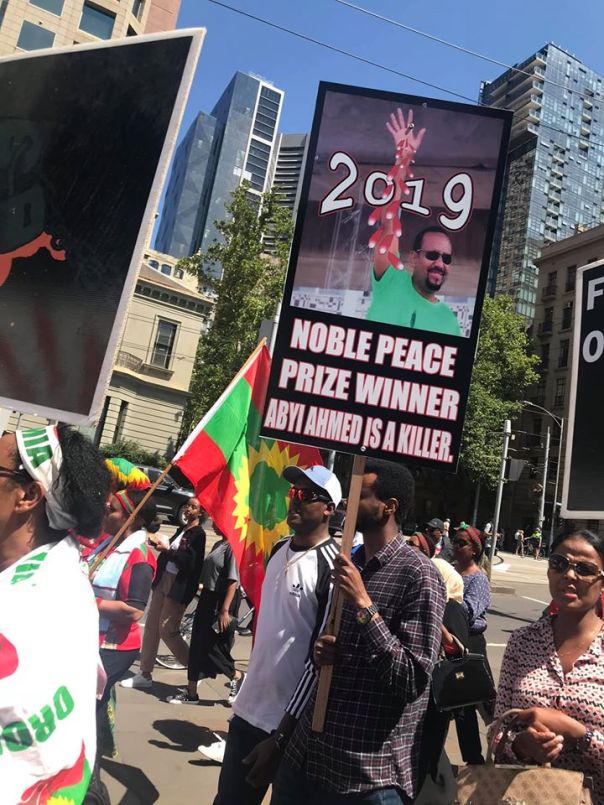
Under Abiy Ahmed, high-level killings, arrests, disappearances and tortures are being committed against Oromo fighters who condemn the regime’s oppression. Unlimited human rights violations are happening every day. While this is happening, the PP regime is not showing any panic. Our record of human rights violations over the past seven years (2018-2025) is as follows.
The period from 2018 to 2025 under Prime Minister Abiy Ahmed‘s leadership has been marked by significant human rights violations against the Oromo people and other marginalized groups in Ethiopia. Despite initial hopes for reform and peace following Abiy’s rise to power in 2018, his government has been accused of perpetuating systemic oppression, particularly against Oromo activists, fighters, and civilians. Below is a summary of the human rights violations committed during this period, based on available reports and testimonies:
1. Extrajudicial Killings
- Targeted Assassinations: High-profile Oromo leaders, activists, and cultural figures have been assassinated, including Hachalu Hundessa, a prominent Oromo musician and activist, whose killing in June 2020 sparked widespread unrest.
- Massacres: Security forces have been implicated in massacres of Oromo civilians, particularly in regions like Wollega, Guji, and Borana, where armed conflict and resistance to the government are prevalent.
- Killings of Oromo Fighters: Members of the Oromo Liberation Army (OLA) and other Oromo resistance groups have been targeted in military operations, often resulting in civilian casualties.
2. Arbitrary Arrests and Detentions
- Mass Arrests: Thousands of Oromo activists, journalists, and opposition figures have been arbitrarily arrested under the pretext of maintaining national security. Many are held without charge or trial.
- Targeting Leaders: Prominent Oromo political leaders, such as Jawar Mohammed, Bekele Gerba, and others, have been detained multiple times, often under questionable legal grounds.
- Crackdown on Protests: Peaceful protests by Oromo youth (Qeerroo) and other groups have been met with violent crackdowns, leading to mass arrests and detentions.
3. Enforced Disappearances
- Abductions: Oromo activists and fighters have been abducted by security forces, with their whereabouts often unknown for extended periods. Families are left without information or recourse.
- Intimidation Tactics: Enforced disappearances are used as a tool to intimidate and silence dissent within the Oromo community.
4. Torture and Inhumane Treatment
- Torture in Detention: Detainees, including Oromo fighters and activists, have reported being subjected to torture, including beatings, electric shocks, and psychological abuse.
- Prison Conditions: Many Oromo prisoners are held in overcrowded and unsanitary conditions, with limited access to medical care or legal representation.
5. Suppression of Media and Free Speech
- Censorship: Independent media outlets, particularly those reporting on Oromo issues, have been shut down or heavily censored. Journalists face harassment, arrest, and intimidation.
- Internet Shutdowns: The government has frequently imposed internet shutdowns in Oromia to prevent the spread of information about protests, killings, and human rights violations.
6. Militarization and Violence in Oromia
- Military Operations: The government has launched large-scale military operations in Oromia, targeting the Oromo Liberation Army (OLA) and other resistance groups. These operations have resulted in widespread civilian casualties and displacement.
- Ethnic Violence: The government has been accused of fueling ethnic tensions, leading to violence between communities. Oromo civilians have often been caught in the crossfire.
7. Displacement and Humanitarian Crisis
- Forced Displacement: Military operations and ethnic violence have displaced hundreds of thousands of Oromo civilians, many of whom live in dire conditions in internally displaced persons (IDP) camps.
- Humanitarian Access Blocked: The government has restricted access to humanitarian organizations, exacerbating the suffering of displaced and vulnerable populations.
8. Lack of Accountability
- Impunity: Security forces and government officials implicated in human rights violations have not been held accountable. Investigations into killings, torture, and other abuses are rare or nonexistent.
- Judicial Harassment: The judicial system has been used to target Oromo activists and opposition figures, with politically motivated charges and unfair trials.
9. International Response
- Global Condemnation: Human rights organizations, including Amnesty International and Human Rights Watch, have documented and condemned the abuses committed against the Oromo people.
- Diaspora Advocacy: The Oromo diaspora has played a crucial role in raising awareness about the human rights situation, lobbying international bodies like the United Nations and the African Union to take action.
10. The Role of the Prosperity Party (PP)
- Continuation of Repression: The Prosperity Party (PP), led by Abiy Ahmed, has continued the repressive policies of previous regimes, targeting dissent and opposition within the Oromo community.
- Lack of Panic: Despite widespread condemnation and evidence of human rights violations, the PP regime has shown no signs of panic or willingness to address the grievances of the Oromo people.
Conclusion
The period from 2018 to 2025 has been marked by severe human rights violations against the Oromo people, including extrajudicial killings, arbitrary arrests, torture, and enforced disappearances. Despite initial hopes for reform under Abiy Ahmed, his government has perpetuated systemic oppression, targeting Oromo activists, fighters, and civilians. The lack of accountability and the regime’s refusal to address these issues have deepened the crisis, leaving the Oromo people to continue their struggle for justice, equality, and self-determination. The international community and human rights organizations must continue to document these abuses and pressure the Ethiopian government to end its campaign of violence and repression.

Posted on February 2, 2025, in Uncategorized. Bookmark the permalink. Leave a comment.




 Advocacy for Oromia
Leave a comment
Comments 0