Shanan: Strengthening Community Bonds Through Motherhood Rituals
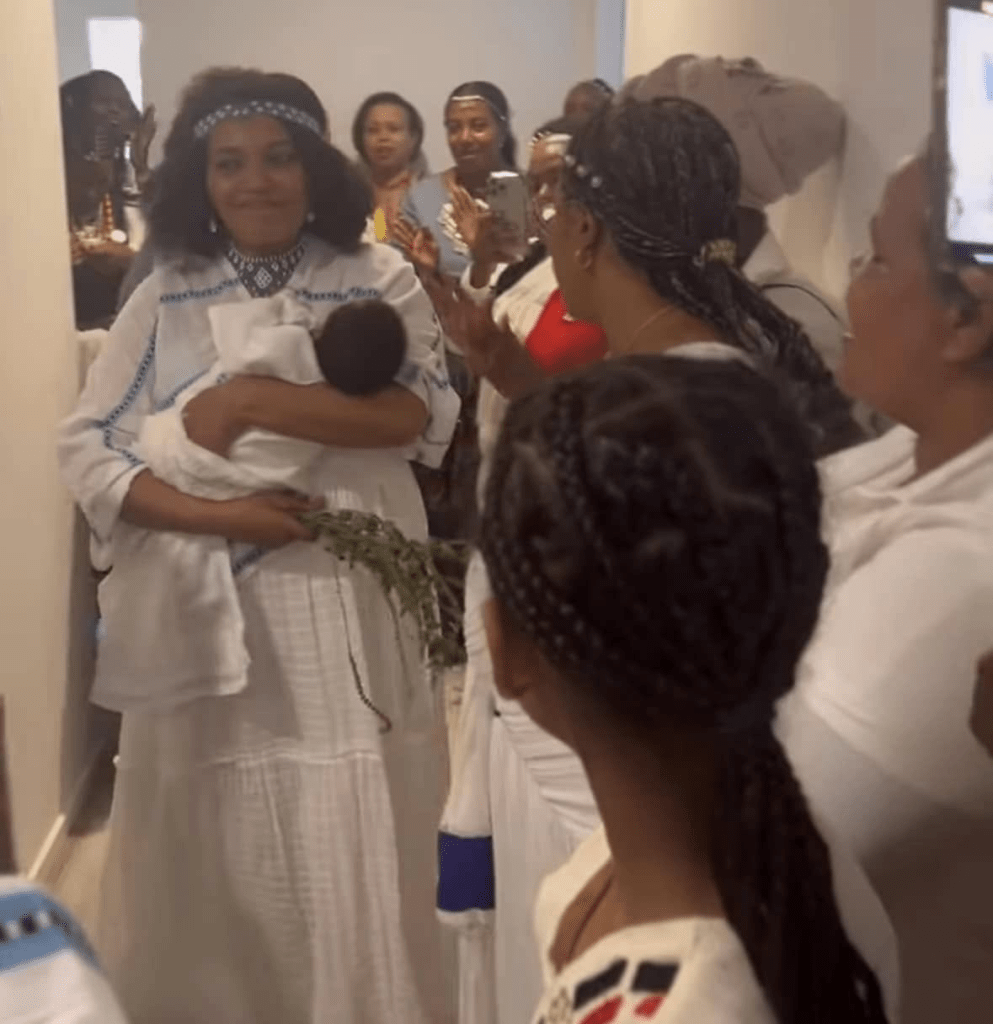
Traditionally, on the fifth day after a woman gives birth, family, neighbors and friends gather to encourage her to give birth. This arrangement is called ‘Shanan’. On the Shanan, the blessings and care of the ‘marqaa’ food for delivery will be served and they encourage the midwife to get up strong and endure the pain of childbirth. This article explores how this culture strengthens the mother and increases her respect in society.
The Shanan tradition, observed on the fifth day after a woman gives birth, is a deeply rooted cultural practice among the Oromo people and other communities in Ethiopia. This ritual, which involves family, neighbors, and friends gathering to support the new mother, plays a significant role in strengthening the mother emotionally, socially, and culturally. It also enhances her respect and status within the community. Here’s an exploration of how the Shanan culture strengthens the mother and increases her respect in society:
1. Emotional and Psychological Support
- Encouragement and Motivation: During the Shanan, the community gathers to encourage the mother, acknowledging the physical and emotional challenges of childbirth. This collective support helps her feel valued and strengthens her mental resilience.
- Alleviating Postpartum Stress: The presence of loved ones and their words of encouragement can reduce feelings of isolation, anxiety, or postpartum depression, which are common after childbirth.
2. Physical Recovery and Nourishment
- Provision of ‘Marqaa’ Food: The special food served during Shanan, known as marqaa, is often nutrient-rich and designed to aid the mother’s recovery. This traditional practice ensures that the mother receives the necessary nourishment to regain her strength.
- Rest and Care: The Shanan tradition emphasizes the importance of rest for the new mother. By taking over household chores and childcare responsibilities, the community allows her to focus on healing and bonding with her newborn.
3. Strengthening Social Bonds
- Community Solidarity: The gathering of family, neighbors, and friends during Shanan reinforces social bonds and demonstrates the collective responsibility of the community in supporting its members. This fosters a sense of belonging and unity.
- Intergenerational Connection: Elders often share wisdom and advice during Shanan, passing down cultural knowledge and parenting practices to younger generations. This strengthens cultural continuity and intergenerational relationships.
4. Cultural Recognition and Respect
- Celebration of Motherhood: The Shanan ritual celebrates the mother’s role in bringing new life into the community. By honoring her during this event, the community acknowledges the sacrifices and challenges of childbirth, elevating her status and respect.
- Recognition of Strength and Endurance: The tradition highlights the mother’s strength and resilience in enduring the pain of childbirth. This recognition reinforces her value and dignity within the society.
5. Empowerment Through Ritual
- Ritual as a Source of Strength: The Shanan ceremony is not just a social event but also a cultural ritual that empowers the mother. The blessings, prayers, and traditional practices performed during Shanan are believed to provide spiritual and emotional strength.
- Affirmation of Identity: By participating in this culturally significant event, the mother reaffirms her identity and connection to her heritage, which can be a source of pride and empowerment.
6. Promoting Gender Roles and Equality
- Valuing Women’s Contributions: The Shanan tradition underscores the importance of women’s roles in society, particularly as mothers and caregivers. This recognition can contribute to a broader appreciation of women’s contributions in other areas of life.
- Community Responsibility: While the mother is the focus of the Shanan, the event also highlights the shared responsibility of the community in supporting mothers and families, promoting a sense of collective care and equality.
7. Preserving Cultural Heritage
- Transmission of Traditions: The Shanan ritual is an important cultural practice that preserves and transmits Oromo traditions to future generations. By participating in this event, the community ensures that these values and practices are not lost.
- Cultural Pride: The celebration of Shanan fosters cultural pride and identity, not only for the mother but for the entire community. It reinforces the importance of cultural practices in maintaining social cohesion.
Conclusion:
The Shanan tradition is a powerful cultural practice that strengthens the mother emotionally, physically, and socially while increasing her respect and status within the community. By providing support, nourishment, and recognition, this ritual highlights the collective responsibility of the community in caring for its members. It also preserves cultural heritage and promotes gender equality by valuing women’s roles and contributions. Through Shanan, the Oromo people demonstrate the enduring importance of community, tradition, and respect in strengthening individuals and society as a whole.

Posted on February 2, 2025, in Uncategorized. Bookmark the permalink. Leave a comment.




 Advocacy for Oromia
Leave a comment
Comments 0