Daily Archives: February 3, 2025
Understanding Waaqeffannaa: The Oromo Belief System

Waaqeffannaa is the religion by which human beings believe in one God and live by it since ancient times. This is the religion by which the Oromo know the Waaqaa (God) and live by the laws of God and conduct their lives well. Followers of Waaqeffannaa believe that if they know God’s laws and live by them, everything will be in harmony. This article teaches how Waaqeffannaa is guiding the existence and life of human beings and how human existence and life can be better if they know and live by the laws of God.
Waaqeffannaa is the traditional Oromo religion, deeply rooted in the belief in one supreme God, Waaqa. It is a spiritual and cultural system that has guided the Oromo people for centuries, shaping their worldview, values, and way of life. Waaqeffannaa emphasizes harmony with nature, respect for creation, and adherence to the laws of Waaqa. Below is an exploration of how Waaqeffannaa guides human existence and life, and how living by its principles can lead to a better and more harmonious life:
1. Belief in One God (Waaqa)
- Monotheism: Waaqeffannaa is a monotheistic religion, centered on the belief in one omnipotent, omnipresent, and omniscient God, Waaqa. This belief unites the Oromo people and provides a spiritual foundation for their lives.
- Creator and Sustainer: Waaqa is seen as the creator of the universe and the sustainer of all life. Followers of Waaqeffannaa believe that Waaqa governs the natural order and the moral laws that guide human behavior.
2. Laws of Waaqa (Seera Waaqa)
- Moral and Ethical Guidance: The laws of Waaqa provide a moral and ethical framework for living a righteous life. These laws emphasize truth, justice, respect, and harmony.
- Harmony with Nature: Waaqeffannaa teaches that humans must live in harmony with nature, as it is a creation of Waaqa. This includes respecting the environment, animals, and all living beings.
- Social Harmony: The laws of Waaqa promote social cohesion, emphasizing the importance of community, mutual respect, and collective well-being.
3. Principles of Waaqeffannaa
- Truth (Dhugaa): Truth is a central principle of Waaqeffannaa. Followers are encouraged to live honestly and uphold truth in all aspects of life.
- Justice (Murtii): Waaqeffannaa advocates for justice and fairness, ensuring that individuals and communities are treated equitably.
- Respect (Kabajaa): Respect for elders, nature, and fellow human beings is a core value in Waaqeffannaa. This fosters a culture of mutual respect and dignity.
- Peace (Nagaa): Waaqeffannaa promotes peace and harmony, both within individuals and in the broader community.
4. Rituals and Practices
- Prayer and Meditation: Followers of Waaqeffannaa engage in prayer and meditation to connect with Waaqa and seek guidance. These practices help individuals align their lives with the laws of Waaqa.
- Ceremonies and Festivals: Waaqeffannaa includes various ceremonies and festivals, such as Irreecha (thanksgiving festival), which celebrate the blessings of Waaqa and reinforce communal bonds.
- Offerings and Sacrifices: Offerings and sacrifices are made to Waaqa as a sign of gratitude and devotion. These practices symbolize the followers’ commitment to living in harmony with Waaqa’s laws.
5. Waaqeffannaa and Human Existence
- Guidance for Life: Waaqeffannaa provides a comprehensive guide for living a meaningful and fulfilling life. By following the laws of Waaqa, individuals can achieve spiritual, emotional, and social well-being.
- Balance and Harmony: Waaqeffannaa teaches that living in accordance with Waaqa’s laws brings balance and harmony to one’s life. This includes maintaining a healthy relationship with oneself, others, and the environment.
- Purpose and Meaning: Waaqeffannaa gives life purpose and meaning by connecting individuals to a higher power and a greater cosmic order. This fosters a sense of belonging and direction.
6. Benefits of Living by Waaqa’s Laws
- Inner Peace: Living in alignment with Waaqa’s laws brings inner peace and contentment, as individuals feel connected to a higher purpose.
- Strong Communities: Waaqeffannaa fosters strong, cohesive communities built on mutual respect, justice, and shared values.
- Environmental Stewardship: By emphasizing harmony with nature, Waaqeffannaa encourages sustainable living and environmental conservation.
- Moral Integrity: Adhering to the principles of Waaqeffannaa cultivates moral integrity, honesty, and ethical behavior.
7. Challenges and Preservation
- Modernization and Globalization: Waaqeffannaa faces challenges from modernization and globalization, which can erode traditional beliefs and practices.
- Preservation Efforts: Efforts are being made to preserve and promote Waaqeffannaa, including documenting its teachings, celebrating its festivals, and educating younger generations about its values.
Conclusion
Waaqeffannaa is more than a religion; it is a way of life that guides the Oromo people in their relationship with Waaqa, nature, and each other. By adhering to the laws of Waaqa, followers of Waaqeffannaa strive to live in harmony, achieve inner peace, and build strong, just communities. In a world facing numerous challenges, the principles of Waaqeffannaa offer timeless wisdom for creating a better and more harmonious existence.
Impact of Soolanee on Oromo Cinema and Literature
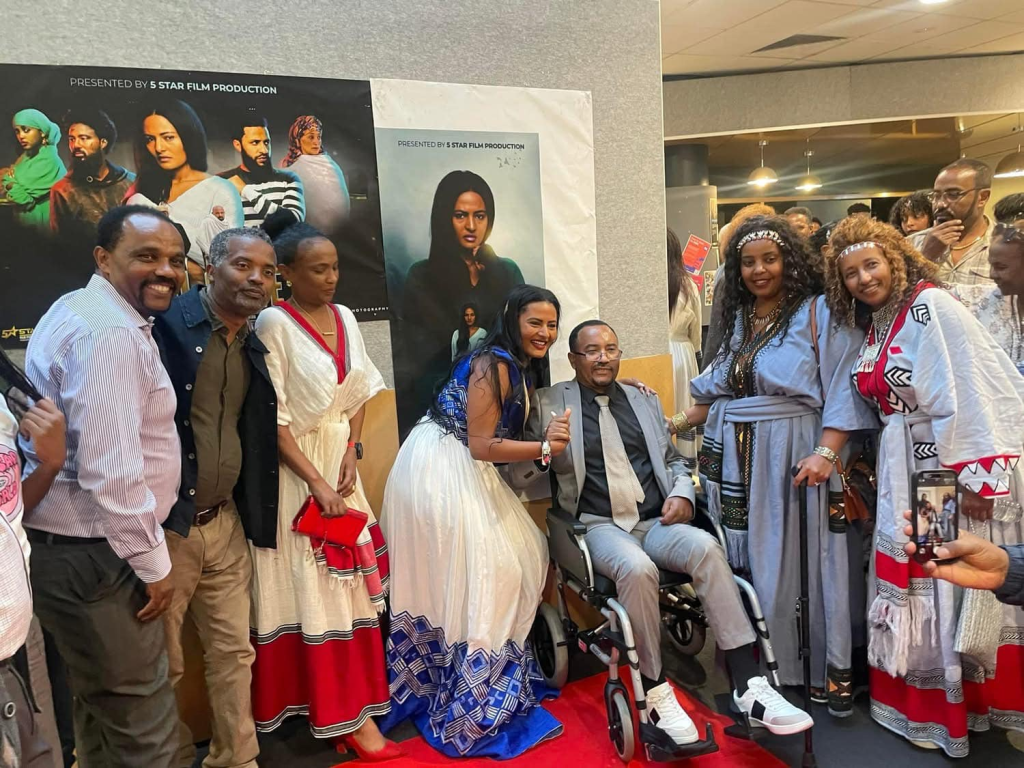
Recently, Soolanee-a film by writer and director Keeyeron Dereje was screened in Melbourne on December 28, 2024.
At the beginning of the film, Keyeron told of her many difficult and emotional ups and downs. She talked about how teamwork was done in Soolanee and how it was included in the history of the Oromo family.
Soolanee: Truth, Freedom, Justice, Faith, Sin, Deceit, Goodness, Oppression, Equality, Resistance, Sexual Assault, love etc. are accompanied by key messages.
Toltu Tufaa gave the opening speech at the beginning of the film based on Oromo folklore. “Our folklore reflects our identity, and the story of this film reflects the wisdom inherited by our ancestors.” “Keyron’s efforts to promote our folklore and identity by making Soolanee are remarkable,” Toltu said.
The audience of the film said that Keeyeron deserves to be appreciated for her contribution to the development of the Oromo arts.
As is well known, the Oromo art, especially film, is still in its infancy. It is understandable that it takes a lot of work to make the Oromo language competitive in the films produced in Ethiopia and at the same time it needs the support of the people. Oromo people are expected to encourage those who are engaged in what promotes the language in every way to ensure the development of their language.
The film is a good portrayal of the situation and life of the Oromo, especially the Oromo struggle and the struggle for justice and equality. What role will this modern film play in promoting and advancing Oromo literature?
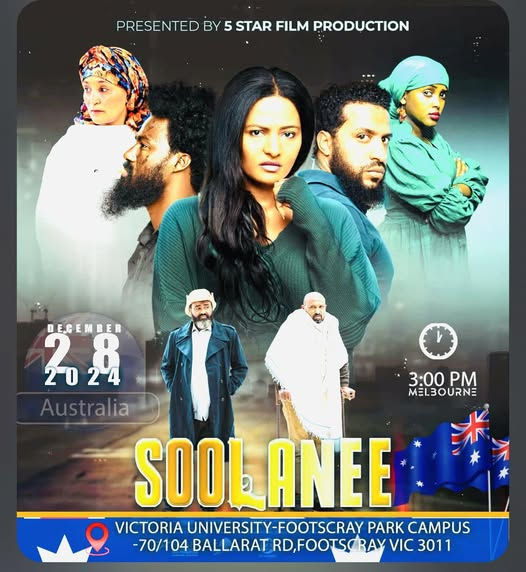
The screening of Soolanee, a film by writer and director Keeyeron Dereje, in Melbourne represents a significant milestone in the development of Oromo cinema and its contribution to Oromo literature and cultural expression. The film, which explores themes such as truth, freedom, justice, faith, oppression, resistance, and love, is a powerful medium for storytelling and cultural preservation. Here’s how Soolanee and similar modern films can play a transformative role in promoting and advancing Oromo literature:
1. Preserving and Promoting Oromo Folklore
- Cultural Heritage: Films like Soolanee bring Oromo folklore and oral traditions to life, preserving them for future generations. As Toltu Tufaa highlighted in her opening speech, folklore reflects Oromo identity and ancestral wisdom.
- Modern Storytelling: By adapting traditional stories and themes into modern cinematic formats, filmmakers like Keeyeron Dereje make Oromo literature more accessible and engaging for contemporary audiences.
2. Raising Awareness of Oromo History and Struggles
- Historical Narratives: Films can depict the historical and ongoing struggles of the Oromo people, such as their fight for justice, equality, and self-determination. Soolanee’s portrayal of Oromo life and resistance contributes to a deeper understanding of these issues.
- Global Reach: Screening films like Soolanee internationally helps raise awareness about the Oromo struggle and culture on a global stage, fostering solidarity and support.
3. Strengthening Oromo Language and Identity
- Language Promotion: Films produced in Afaan Oromo help promote the language and make it more competitive in the Ethiopian and global film industries. This encourages the use of Afaan Oromo in creative and professional contexts.
- Cultural Pride: By showcasing Oromo culture, values, and traditions, films like Soolanee instill pride in Oromo identity and encourage younger generations to embrace their heritage.
4. Inspiring New Forms of Artistic Expression
- Innovation in Literature: Films can inspire writers to explore new themes and styles in Oromo literature, blending traditional storytelling with modern techniques.
- Interdisciplinary Collaboration: The success of Soolanee demonstrates the potential for collaboration between filmmakers, writers, and artists, fostering a vibrant Oromo arts community.
5. Addressing Social Issues
- Themes of Justice and Equality: Films like Soolanee tackle critical social issues such as oppression, resistance, and sexual assault, sparking conversations and encouraging activism within the Oromo community.
- Empathy and Understanding: By portraying the lived experiences of the Oromo people, films can foster empathy and understanding among diverse audiences, both within Ethiopia and internationally.
6. Encouraging Oromo Filmmaking and Literature
- Role Models: Filmmakers like Keeyeron Dereje serve as role models for aspiring Oromo artists, demonstrating that it is possible to create high-quality, meaningful works in Afaan Oromo.
- Community Support: The positive reception of Soolanee highlights the importance of community support for Oromo artists. Encouraging and funding such projects can lead to the growth of Oromo cinema and literature.
7. Building a Global Oromo Arts Movement
- Diaspora Engagement: The screening of Soolanee in Melbourne shows how the Oromo diaspora can play a key role in promoting Oromo arts and literature globally.
- Cultural Exchange: Films like Soolanee facilitate cultural exchange, introducing Oromo stories and perspectives to international audiences and fostering cross-cultural dialogue.
8. Educational Value
- Teaching Tool: Films can be used as educational tools to teach Oromo history, culture, and language in schools and community programs.
- Documenting History: Films like Soolanee document the experiences and struggles of the Oromo people, creating a valuable archive for future generations.
9. Economic and Professional Opportunities
- Job Creation: The growth of Oromo cinema creates opportunities for actors, writers, directors, and technicians, contributing to the economic development of the Oromo community.
- Professional Development: Supporting Oromo filmmakers helps build a skilled and experienced workforce in the film industry.
10. Inspiring Hope and Resilience
- Stories of Resistance: Films like Soolanee highlight the resilience and determination of the Oromo people, inspiring hope and solidarity within the community.
- Positive Representation: By portraying Oromo characters and stories in a positive light, films challenge stereotypes and promote a more nuanced understanding of Oromo identity.
Conclusion
Films like Soolanee play a transformative role in promoting and advancing Oromo literature by preserving folklore, raising awareness of Oromo history and struggles, strengthening the Oromo language, and inspiring new forms of artistic expression. They also address social issues, encourage community support, and build a global Oromo arts movement. By supporting filmmakers like Keeyeron Dereje and celebrating their contributions, the Oromo community can ensure the continued growth and development of Oromo literature and cinema.




 Advocacy for Oromia