Impact of Soolanee on Oromo Cinema and Literature
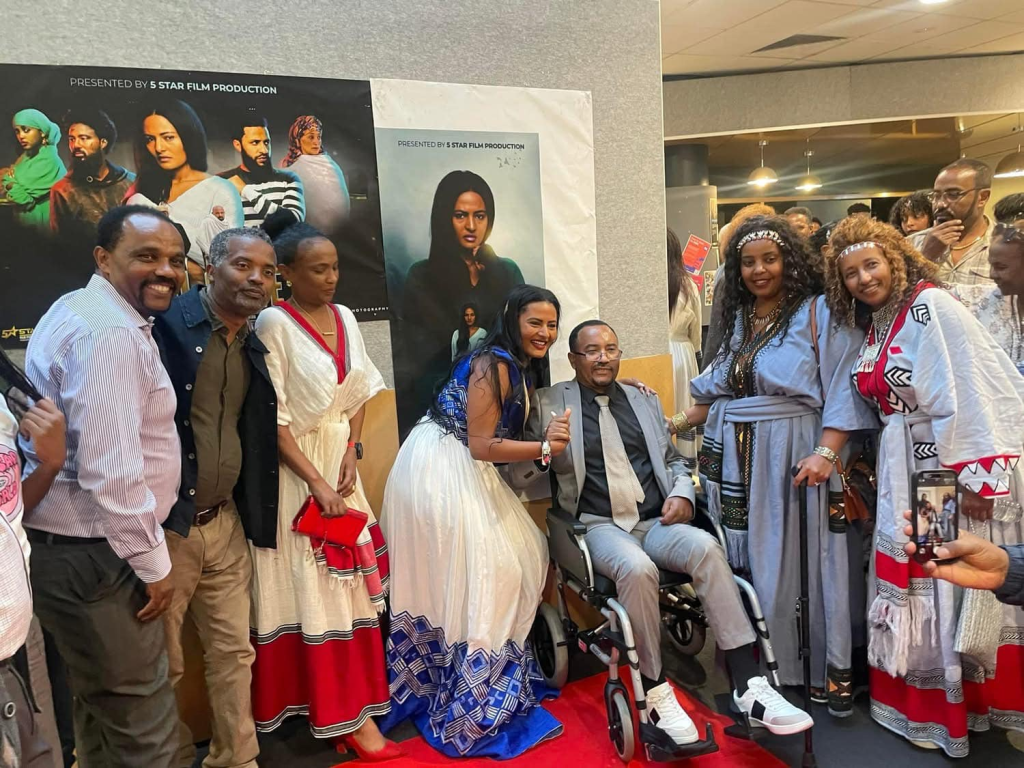
Recently, Soolanee-a film by writer and director Keeyeron Dereje was screened in Melbourne on December 28, 2024.
At the beginning of the film, Keyeron told of her many difficult and emotional ups and downs. She talked about how teamwork was done in Soolanee and how it was included in the history of the Oromo family.
Soolanee: Truth, Freedom, Justice, Faith, Sin, Deceit, Goodness, Oppression, Equality, Resistance, Sexual Assault, love etc. are accompanied by key messages.
Toltu Tufaa gave the opening speech at the beginning of the film based on Oromo folklore. “Our folklore reflects our identity, and the story of this film reflects the wisdom inherited by our ancestors.” “Keyron’s efforts to promote our folklore and identity by making Soolanee are remarkable,” Toltu said.
The audience of the film said that Keeyeron deserves to be appreciated for her contribution to the development of the Oromo arts.
As is well known, the Oromo art, especially film, is still in its infancy. It is understandable that it takes a lot of work to make the Oromo language competitive in the films produced in Ethiopia and at the same time it needs the support of the people. Oromo people are expected to encourage those who are engaged in what promotes the language in every way to ensure the development of their language.
The film is a good portrayal of the situation and life of the Oromo, especially the Oromo struggle and the struggle for justice and equality. What role will this modern film play in promoting and advancing Oromo literature?
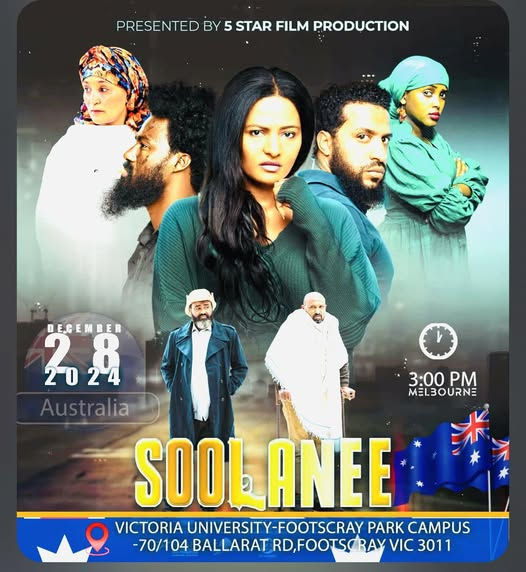
The screening of Soolanee, a film by writer and director Keeyeron Dereje, in Melbourne represents a significant milestone in the development of Oromo cinema and its contribution to Oromo literature and cultural expression. The film, which explores themes such as truth, freedom, justice, faith, oppression, resistance, and love, is a powerful medium for storytelling and cultural preservation. Here’s how Soolanee and similar modern films can play a transformative role in promoting and advancing Oromo literature:
1. Preserving and Promoting Oromo Folklore
- Cultural Heritage: Films like Soolanee bring Oromo folklore and oral traditions to life, preserving them for future generations. As Toltu Tufaa highlighted in her opening speech, folklore reflects Oromo identity and ancestral wisdom.
- Modern Storytelling: By adapting traditional stories and themes into modern cinematic formats, filmmakers like Keeyeron Dereje make Oromo literature more accessible and engaging for contemporary audiences.
2. Raising Awareness of Oromo History and Struggles
- Historical Narratives: Films can depict the historical and ongoing struggles of the Oromo people, such as their fight for justice, equality, and self-determination. Soolanee’s portrayal of Oromo life and resistance contributes to a deeper understanding of these issues.
- Global Reach: Screening films like Soolanee internationally helps raise awareness about the Oromo struggle and culture on a global stage, fostering solidarity and support.
3. Strengthening Oromo Language and Identity
- Language Promotion: Films produced in Afaan Oromo help promote the language and make it more competitive in the Ethiopian and global film industries. This encourages the use of Afaan Oromo in creative and professional contexts.
- Cultural Pride: By showcasing Oromo culture, values, and traditions, films like Soolanee instill pride in Oromo identity and encourage younger generations to embrace their heritage.
4. Inspiring New Forms of Artistic Expression
- Innovation in Literature: Films can inspire writers to explore new themes and styles in Oromo literature, blending traditional storytelling with modern techniques.
- Interdisciplinary Collaboration: The success of Soolanee demonstrates the potential for collaboration between filmmakers, writers, and artists, fostering a vibrant Oromo arts community.
5. Addressing Social Issues
- Themes of Justice and Equality: Films like Soolanee tackle critical social issues such as oppression, resistance, and sexual assault, sparking conversations and encouraging activism within the Oromo community.
- Empathy and Understanding: By portraying the lived experiences of the Oromo people, films can foster empathy and understanding among diverse audiences, both within Ethiopia and internationally.
6. Encouraging Oromo Filmmaking and Literature
- Role Models: Filmmakers like Keeyeron Dereje serve as role models for aspiring Oromo artists, demonstrating that it is possible to create high-quality, meaningful works in Afaan Oromo.
- Community Support: The positive reception of Soolanee highlights the importance of community support for Oromo artists. Encouraging and funding such projects can lead to the growth of Oromo cinema and literature.
7. Building a Global Oromo Arts Movement
- Diaspora Engagement: The screening of Soolanee in Melbourne shows how the Oromo diaspora can play a key role in promoting Oromo arts and literature globally.
- Cultural Exchange: Films like Soolanee facilitate cultural exchange, introducing Oromo stories and perspectives to international audiences and fostering cross-cultural dialogue.
8. Educational Value
- Teaching Tool: Films can be used as educational tools to teach Oromo history, culture, and language in schools and community programs.
- Documenting History: Films like Soolanee document the experiences and struggles of the Oromo people, creating a valuable archive for future generations.
9. Economic and Professional Opportunities
- Job Creation: The growth of Oromo cinema creates opportunities for actors, writers, directors, and technicians, contributing to the economic development of the Oromo community.
- Professional Development: Supporting Oromo filmmakers helps build a skilled and experienced workforce in the film industry.
10. Inspiring Hope and Resilience
- Stories of Resistance: Films like Soolanee highlight the resilience and determination of the Oromo people, inspiring hope and solidarity within the community.
- Positive Representation: By portraying Oromo characters and stories in a positive light, films challenge stereotypes and promote a more nuanced understanding of Oromo identity.
Conclusion
Films like Soolanee play a transformative role in promoting and advancing Oromo literature by preserving folklore, raising awareness of Oromo history and struggles, strengthening the Oromo language, and inspiring new forms of artistic expression. They also address social issues, encourage community support, and build a global Oromo arts movement. By supporting filmmakers like Keeyeron Dereje and celebrating their contributions, the Oromo community can ensure the continued growth and development of Oromo literature and cinema.

Posted on February 3, 2025, in Uncategorized. Bookmark the permalink. Leave a comment.




 Advocacy for Oromia
Leave a comment
Comments 0