Daily Archives: February 4, 2025
Importance of Sacred Places in Waaqeffannaa
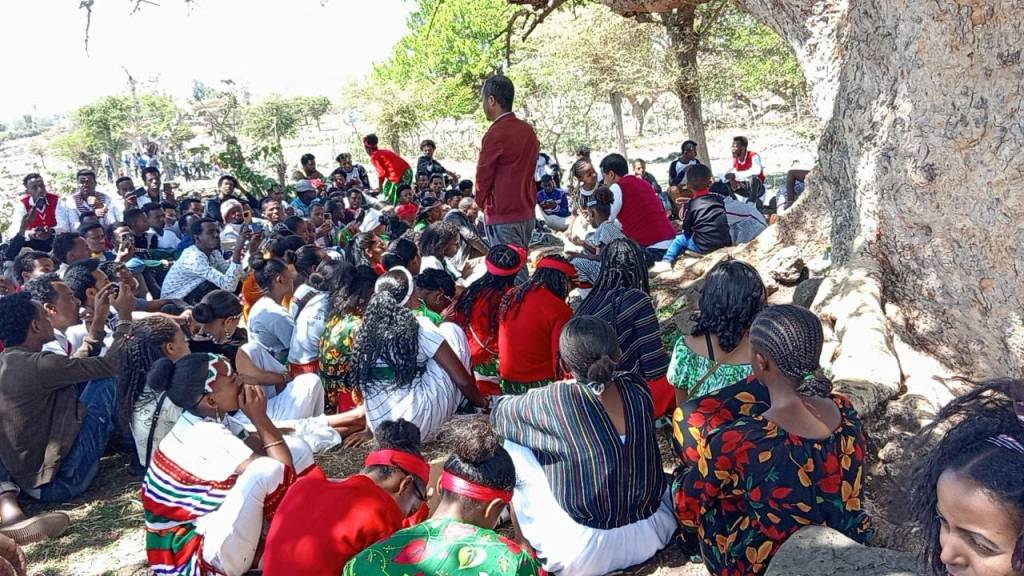
Sacred places hold immense importance in Waaqeffannaa, the traditional Oromo religion, as they are deeply intertwined with the spiritual, cultural, and social fabric of the Oromo people. These places are not just physical locations but are considered holy spaces where the Oromo connect with the divine, nature, and their ancestors. Below are the key reasons why sacred places are central to Waaqeffannaa:
1. Connection to Waaqa (God)
- Divine Presence: Sacred places are believed to be spaces where Waaqa (God) is especially present. They serve as intermediaries between the human and the divine, allowing the Oromo to communicate with Waaqa through prayers, rituals, and offerings.
- Spiritual Focus: These places provide a focal point for spiritual practices, helping individuals and communities to center their devotion and seek blessings, guidance, and protection from Waaqa.
2. Worship and Rituals
- Ceremonial Practices: Sacred places are where important religious ceremonies, such as Irreechaa (thanksgiving festival), are conducted. These rituals are essential for maintaining harmony between humans, nature, and the divine.
- Offerings and Sacrifices: Offerings, such as milk, butter, and livestock, are made at sacred sites to honor Waaqa and seek favor. These practices reinforce the Oromo’s spiritual connection to their environment and deity.
3. Harmony with Nature
- Sacredness of Nature: In Waaqeffannaa, nature is seen as a manifestation of Waaqa’s creation. Sacred places, often located in natural settings like forests, rivers, mountains, or under large trees (e.g., the Odaa tree), symbolize the interconnectedness of all life.
- Environmental Stewardship: These places remind the Oromo of their responsibility to protect and preserve the environment, reflecting the religion’s emphasis on living in harmony with nature.
4. Connection to Ancestors
- Ancestral Spirits: Sacred places are often associated with ancestors, who are believed to act as intermediaries between the living and Waaqa. These sites are spaces where the Oromo honor their ancestors and seek their guidance and blessings.
- Cultural Continuity: By maintaining sacred places, the Oromo ensure the continuity of their cultural and spiritual practices, passing down traditions and values from one generation to the next.
5. Community and Social Cohesion
- Gathering Spaces: Sacred places serve as communal spaces where the Oromo come together for religious and social events. These gatherings strengthen social bonds and foster a sense of unity and belonging.
- Conflict Resolution: Traditional conflict resolution practices, such as Araara (reconciliation), often take place at sacred sites, emphasizing the role of spirituality in restoring harmony within the community.
6. Symbolism and Identity
- Cultural Identity: Sacred places are powerful symbols of Oromo identity and heritage. They represent the Oromo’s unique spiritual and cultural traditions, distinguishing them from other groups.
- Resilience and Resistance: During periods of colonization and religious conversion, sacred places became symbols of resistance and resilience, helping the Oromo preserve their indigenous beliefs and practices.
7. Healing and Renewal
- Spiritual Healing: Sacred places are often associated with healing and renewal. They are spaces where individuals can seek spiritual cleansing, forgiveness, and rejuvenation.
- Physical Healing: Some sacred sites are believed to have medicinal properties, such as healing springs or trees, which are used in traditional healing practices.
8. Cyclical and Seasonal Rituals
- Agricultural Cycles: Sacred places are central to rituals that mark agricultural cycles, such as planting and harvest seasons. These rituals ensure the community’s prosperity and express gratitude to Waaqa for providing sustenance.
- Seasonal Festivals: Festivals like Irreechaa are held at sacred sites to celebrate the changing seasons and give thanks for the blessings of nature.
9. Preservation of Indigenous Knowledge
- Transmission of Knowledge: Sacred places are centers for the transmission of indigenous knowledge, including spiritual teachings, environmental wisdom, and cultural practices. Elders and religious leaders use these spaces to educate younger generations.
- Cultural Revival: In the face of modernization and external influences, sacred places play a crucial role in reviving and preserving Waaqeffannaa practices and beliefs.
10. Global and Ecological Significance
- Global Indigenous Heritage: Sacred places in Waaqeffannaa are increasingly recognized as part of humanity’s shared cultural and spiritual heritage. They highlight the importance of indigenous knowledge systems in promoting sustainability and biodiversity.
- Ecological Conservation: By protecting sacred sites, the Oromo contribute to global efforts to conserve natural habitats and promote environmental sustainability.
Conclusion
Sacred places are vital to Waaqeffannaa because they embody the Oromo people’s spiritual, cultural, and environmental values. They serve as spaces for worship, community gatherings, healing, and the preservation of indigenous knowledge. These places are not only central to the Oromo’s religious practices but also symbolize their resilience, identity, and commitment to living in harmony with nature and the divine. Protecting and honoring sacred places ensures the continuity of Waaqeffannaa and its contributions to global cultural and ecological diversity.
The Significance of Odaa Nabee for Oromo Culture
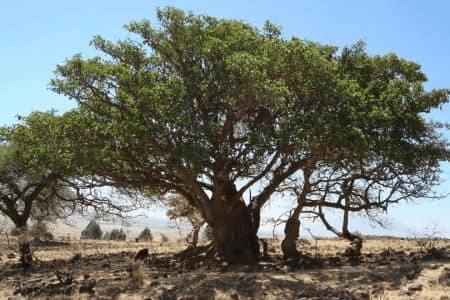
Sacred sites like Odaa Nabee hold profound cultural, spiritual, historical, and political significance for the Oromo people. These sites are not just physical locations but are deeply intertwined with the identity, values, and collective memory of the Oromo nation. Here are the key reasons why sacred sites like Odaa Nabee are important to the Oromo people:
1. Spiritual and Religious Significance
- Connection to Waaqeffannaa (Oromo Traditional Religion): Odaa Nabee and other sacred sites are central to the Oromo traditional religion, Waaqeffannaa, which is based on the worship of Waaqa (God). These sites are considered holy places where the Oromo connect with the divine, perform rituals, and seek blessings.
- Symbol of Unity with Nature: Sacred sites are often located in natural settings, such as under large sycamore trees (Odaa), symbolizing the Oromo belief in the interconnectedness of humans, nature, and the divine.
2. Historical and Cultural Importance
- Center of the Gadaa System: Odaa Nabee is historically known as one of the major centers of the Gadaa system, the Oromo’s indigenous democratic governance system. It served as a meeting place where Oromo leaders gathered to make decisions, resolve conflicts, and pass laws.
- Cultural Heritage: Sacred sites are repositories of Oromo history, traditions, and knowledge. They are living symbols of the Oromo’s ancient civilization and their enduring cultural practices.
3. Symbol of Oromo Identity and Unity
- National Identity: Odaa Nabee and other sacred sites are powerful symbols of Oromo identity and unity. They represent the Oromo people’s shared history, values, and aspirations.
- Resistance and Resilience: During periods of colonization and oppression, sacred sites became symbols of resistance and resilience. They served as rallying points for the Oromo people to defend their land, culture, and rights.
4. Political Significance
- Center of Governance: Historically, Odaa Nabee was a political hub where the Oromo practiced their democratic Gadaa system. It symbolizes the Oromo’s commitment to democracy, justice, and egalitarianism.
- Modern Political Symbolism: Today, sacred sites like Odaa Nabee continue to hold political significance as symbols of Oromo self-determination and resistance against marginalization and oppression.
5. Environmental and Ecological Value
- Sacredness of Nature: The Oromo regard sacred sites as part of their natural heritage. These sites are often located in ecologically significant areas, such as forests, rivers, or mountains, reflecting the Oromo’s deep respect for the environment.
- Conservation: Sacred sites are protected and preserved as part of the Oromo’s traditional ecological knowledge, contributing to biodiversity conservation and sustainable land use.
6. Social and Community Functions
- Gathering Spaces: Sacred sites serve as communal spaces where the Oromo come together for ceremonies, festivals, and social gatherings. They strengthen social bonds and foster a sense of belonging.
- Conflict Resolution: Traditionally, sacred sites were used as places for mediation and conflict resolution, guided by the principles of the Gadaa system and Araara (reconciliation).
7. Educational Role
- Transmission of Knowledge: Sacred sites are centers for the transmission of Oromo knowledge, including history, governance, spirituality, and environmental stewardship. Elders and leaders use these spaces to teach younger generations about their heritage.
- Cultural Revival: In the face of modernization and cultural erosion, sacred sites play a crucial role in reviving and preserving Oromo traditions and values.
8. Symbol of Freedom and Liberation
- Odaa Nabee as a Symbol of Liberation: Odaa Nabee, in particular, is a symbol of freedom and liberation for the Oromo people. It represents their struggle for autonomy, justice, and recognition of their rights.
- Inspiration for Activism: Sacred sites inspire contemporary Oromo activists and movements, such as the Oromo Protests and the Qeerroo youth movement, in their fight for equality and self-determination.
9. Connection to Ancestors
- Ancestral Ties: Sacred sites are seen as places where the living can connect with their ancestors. They are spaces for honoring the past and seeking guidance from those who came before.
- Cultural Continuity: By maintaining and visiting these sites, the Oromo people ensure the continuity of their cultural and spiritual practices across generations.
10. Global Recognition and Advocacy
- Cultural Heritage Preservation: Sacred sites like Odaa Nabee are increasingly recognized as part of humanity’s cultural heritage. Advocacy for their protection raises awareness about the Oromo people’s history and contributions to global civilization.
- Solidarity and Support: The importance of these sites fosters solidarity among the Oromo diaspora and garners support from global communities for Oromo cultural and political causes.
Conclusion
Sacred sites like Odaa Nabee are not merely physical locations; they are the heart and soul of the Oromo people. They embody their spirituality, history, culture, and political aspirations. Protecting and honoring these sites is essential for preserving the Oromo identity, promoting social justice, and ensuring the continuity of their unique heritage for future generations. For the Oromo, these sacred sites are a testament to their resilience, unity, and enduring connection to their land and traditions.
Exploring Oromo Studies Association’s Contributions to Global Knowledge

The Oromo Studies Association was founded in 1992 to encourage research and study on Oromo issues. Since then, many studies have been presented that have promoted the knowledge and experience of Oromo and have made it known to the world. What is the role of this association in promoting and promoting Oromo issues?
The Oromo Studies Association (OSA) has played a pivotal role in promoting and advancing Oromo issues since its founding in 1992. As a scholarly organization dedicated to the study of Oromo history, culture, language, politics, and society, the OSA has been instrumental in fostering research, raising awareness, and advocating for the rights and recognition of the Oromo people. Below are the key roles and contributions of the OSA in promoting Oromo issues:
1. Encouraging Research and Scholarship
The OSA has been a driving force in encouraging and supporting academic research on Oromo issues. By providing a platform for scholars, researchers, and intellectuals, the OSA has contributed to the growth of knowledge about the Oromo people.
- Conferences and Symposia:
The OSA organizes annual conferences and symposia where scholars present research papers on a wide range of topics related to the Oromo people. These events facilitate the exchange of ideas and the dissemination of knowledge. - Publications:
The OSA publishes journals, books, and conference proceedings that document and share research findings. These publications serve as valuable resources for scholars, students, and the general public. - Research Grants:
The OSA provides grants and funding opportunities to support research projects focused on Oromo issues, encouraging new and innovative studies.
2. Raising Global Awareness
The OSA has played a crucial role in raising global awareness about the Oromo people, their history, and their struggles. By bringing Oromo issues to the attention of the international community, the OSA has helped to amplify Oromo voices on the global stage.
- International Collaboration:
The OSA collaborates with universities, research institutions, and human rights organizations around the world to promote Oromo studies and advocate for Oromo rights. - Advocacy and Outreach:
Through its conferences, publications, and online presence, the OSA educates the global community about the challenges faced by the Oromo people, including political repression, cultural marginalization, and human rights violations.
3. Preserving and Promoting Oromo Culture and Language
The OSA is deeply committed to preserving and promoting Oromo culture, language, and traditions. This work is essential for maintaining Oromo identity and ensuring that future generations have access to their cultural heritage.
- Cultural Research:
The OSA supports research on Oromo cultural practices, traditions, and history, helping to document and preserve this knowledge for future generations. - Language Advocacy:
The OSA promotes the use of Afaan Oromoo (the Oromo language) in academic and public spheres. This includes advocating for the inclusion of Afaan Oromoo in educational curricula and media. - Cultural Events:
The OSA organizes cultural events, such as music, dance, and art exhibitions, to celebrate and showcase Oromo culture.
4. Advocating for Oromo Rights and Justice
The OSA has been a strong advocate for the rights and justice of the Oromo people. Through its research and advocacy efforts, the OSA has highlighted the political, social, and economic challenges faced by the Oromo community.
- Human Rights Advocacy:
The OSA documents and reports on human rights abuses against the Oromo people, bringing these issues to the attention of international organizations and policymakers. - Policy Recommendations:
The OSA provides evidence-based policy recommendations to governments, NGOs, and international bodies to address the needs and concerns of the Oromo people. - Solidarity and Support:
The OSA works in solidarity with other marginalized groups and social justice movements to advocate for equality, justice, and self-determination.
5. Building a Network of Scholars and Activists
The OSA has created a vibrant network of scholars, activists, and community leaders who are dedicated to advancing Oromo issues. This network fosters collaboration, knowledge-sharing, and collective action.
- Mentorship and Support:
The OSA provides mentorship and support to young scholars and activists, helping to build the next generation of leaders in Oromo studies and advocacy. - Community Engagement:
The OSA engages with Oromo communities around the world, ensuring that its work is grounded in the needs and aspirations of the people it serves.
6. Documenting Oromo History and Contributions
The OSA has played a critical role in documenting the history and contributions of the Oromo people, challenging historical narratives that have marginalized or erased Oromo voices.
- Historical Research:
The OSA supports research on Oromo history, including the Gadaa system, Oromo resistance movements, and the contributions of Oromo leaders and intellectuals. - Countering Misrepresentation:
By producing accurate and comprehensive research, the OSA counters misrepresentations and stereotypes about the Oromo people, promoting a more nuanced and respectful understanding of their history and culture.
7. Promoting Education and Empowerment
The OSA is committed to promoting education and empowerment within the Oromo community. By providing access to knowledge and resources, the OSA helps to empower individuals and communities to advocate for their rights and achieve their goals.
- Educational Programs:
The OSA organizes workshops, seminars, and training programs to educate community members about their rights, history, and culture. - Scholarships and Fellowships:
The OSA offers scholarships and fellowships to support Oromo students and scholars in their academic pursuits.
Conclusion
The Oromo Studies Association has been a cornerstone in the promotion and advancement of Oromo issues since its founding in 1990. Through its research, advocacy, and community engagement, the OSA has made significant contributions to the preservation of Oromo culture, the promotion of Afaan Oromoo, and the advocacy for Oromo rights and justice. By fostering a global network of scholars and activists, the OSA has amplified Oromo voices and brought international attention to the struggles and aspirations of the Oromo people. Its work continues to inspire and empower the Oromo community, ensuring that their history, culture, and contributions are recognized and celebrated.




 Advocacy for Oromia