The Significance of Odaa Nabee for Oromo Culture
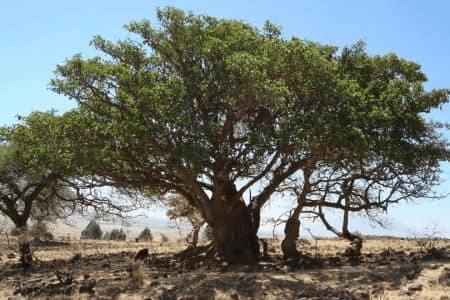
Sacred sites like Odaa Nabee hold profound cultural, spiritual, historical, and political significance for the Oromo people. These sites are not just physical locations but are deeply intertwined with the identity, values, and collective memory of the Oromo nation. Here are the key reasons why sacred sites like Odaa Nabee are important to the Oromo people:
1. Spiritual and Religious Significance
- Connection to Waaqeffannaa (Oromo Traditional Religion): Odaa Nabee and other sacred sites are central to the Oromo traditional religion, Waaqeffannaa, which is based on the worship of Waaqa (God). These sites are considered holy places where the Oromo connect with the divine, perform rituals, and seek blessings.
- Symbol of Unity with Nature: Sacred sites are often located in natural settings, such as under large sycamore trees (Odaa), symbolizing the Oromo belief in the interconnectedness of humans, nature, and the divine.
2. Historical and Cultural Importance
- Center of the Gadaa System: Odaa Nabee is historically known as one of the major centers of the Gadaa system, the Oromo’s indigenous democratic governance system. It served as a meeting place where Oromo leaders gathered to make decisions, resolve conflicts, and pass laws.
- Cultural Heritage: Sacred sites are repositories of Oromo history, traditions, and knowledge. They are living symbols of the Oromo’s ancient civilization and their enduring cultural practices.
3. Symbol of Oromo Identity and Unity
- National Identity: Odaa Nabee and other sacred sites are powerful symbols of Oromo identity and unity. They represent the Oromo people’s shared history, values, and aspirations.
- Resistance and Resilience: During periods of colonization and oppression, sacred sites became symbols of resistance and resilience. They served as rallying points for the Oromo people to defend their land, culture, and rights.
4. Political Significance
- Center of Governance: Historically, Odaa Nabee was a political hub where the Oromo practiced their democratic Gadaa system. It symbolizes the Oromo’s commitment to democracy, justice, and egalitarianism.
- Modern Political Symbolism: Today, sacred sites like Odaa Nabee continue to hold political significance as symbols of Oromo self-determination and resistance against marginalization and oppression.
5. Environmental and Ecological Value
- Sacredness of Nature: The Oromo regard sacred sites as part of their natural heritage. These sites are often located in ecologically significant areas, such as forests, rivers, or mountains, reflecting the Oromo’s deep respect for the environment.
- Conservation: Sacred sites are protected and preserved as part of the Oromo’s traditional ecological knowledge, contributing to biodiversity conservation and sustainable land use.
6. Social and Community Functions
- Gathering Spaces: Sacred sites serve as communal spaces where the Oromo come together for ceremonies, festivals, and social gatherings. They strengthen social bonds and foster a sense of belonging.
- Conflict Resolution: Traditionally, sacred sites were used as places for mediation and conflict resolution, guided by the principles of the Gadaa system and Araara (reconciliation).
7. Educational Role
- Transmission of Knowledge: Sacred sites are centers for the transmission of Oromo knowledge, including history, governance, spirituality, and environmental stewardship. Elders and leaders use these spaces to teach younger generations about their heritage.
- Cultural Revival: In the face of modernization and cultural erosion, sacred sites play a crucial role in reviving and preserving Oromo traditions and values.
8. Symbol of Freedom and Liberation
- Odaa Nabee as a Symbol of Liberation: Odaa Nabee, in particular, is a symbol of freedom and liberation for the Oromo people. It represents their struggle for autonomy, justice, and recognition of their rights.
- Inspiration for Activism: Sacred sites inspire contemporary Oromo activists and movements, such as the Oromo Protests and the Qeerroo youth movement, in their fight for equality and self-determination.
9. Connection to Ancestors
- Ancestral Ties: Sacred sites are seen as places where the living can connect with their ancestors. They are spaces for honoring the past and seeking guidance from those who came before.
- Cultural Continuity: By maintaining and visiting these sites, the Oromo people ensure the continuity of their cultural and spiritual practices across generations.
10. Global Recognition and Advocacy
- Cultural Heritage Preservation: Sacred sites like Odaa Nabee are increasingly recognized as part of humanity’s cultural heritage. Advocacy for their protection raises awareness about the Oromo people’s history and contributions to global civilization.
- Solidarity and Support: The importance of these sites fosters solidarity among the Oromo diaspora and garners support from global communities for Oromo cultural and political causes.
Conclusion
Sacred sites like Odaa Nabee are not merely physical locations; they are the heart and soul of the Oromo people. They embody their spirituality, history, culture, and political aspirations. Protecting and honoring these sites is essential for preserving the Oromo identity, promoting social justice, and ensuring the continuity of their unique heritage for future generations. For the Oromo, these sacred sites are a testament to their resilience, unity, and enduring connection to their land and traditions.

Posted on February 4, 2025, in Uncategorized. Bookmark the permalink. Leave a comment.




 Advocacy for Oromia
Leave a comment
Comments 0