Daily Archives: February 7, 2025
Oromo Flag: A Beacon of Hope and Community Strength
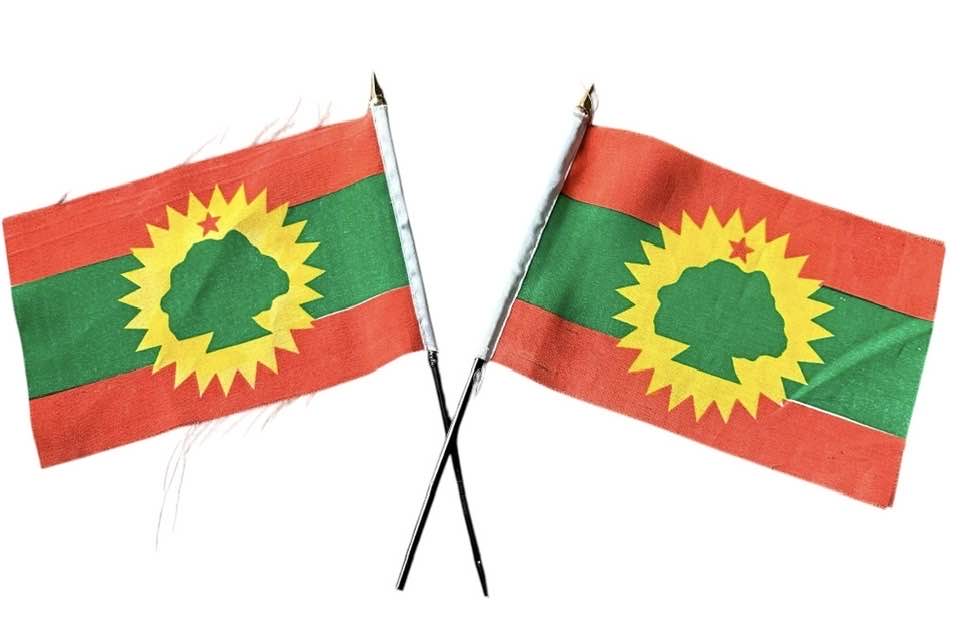
The sacrifices made to keep the Oromo flag alive are profound and multifaceted, reflecting the deep cultural, political, and emotional significance of the flag to the Oromo people. The Oromo flag, with its colors of black, red, and white, symbolizes the identity, struggle, and aspirations of the Oromo nation. Here are some ways to describe these sacrifices:
- Historical Struggles:
- Colonial Oppression: The Oromo people have faced centuries of marginalization and oppression, particularly during the period of Ethiopian empire-building. The flag became a symbol of resistance against these forces, and many Oromo individuals and communities sacrificed their lives, freedom, and livelihoods to protect their identity and rights.
- Political Repression: In more recent history, the Oromo have faced severe political repression, especially during the Derg regime and subsequent governments. Displaying the Oromo flag was often met with brutal crackdowns, leading to imprisonment, torture, and even death for those who dared to uphold it.
- Cultural Preservation:
- Cultural Identity: The flag represents the rich cultural heritage of the Oromo people, including their language, traditions, and the Gadaa system. Sacrifices have been made to preserve these cultural elements in the face of assimilation policies and cultural erasure.
- Educational Efforts: Many Oromo intellectuals and activists have worked tirelessly, often at great personal risk, to promote Oromo culture and history through education. This includes writing and distributing literature, organizing cultural events, and teaching the Oromo language.
- Political Activism:
- Advocacy and Mobilization: The Oromo flag has been a rallying symbol for political movements advocating for Oromo rights and self-determination. Activists have organized protests, formed political organizations, and engaged in advocacy work, often facing severe repercussions from authorities.
- Martyrdom: Many Oromo activists and leaders have been martyred in the struggle for justice and equality. Their sacrifices are remembered and honored, and their legacy continues to inspire new generations of Oromo people.
- Community Resilience:
- Solidarity and Unity: The flag has fostered a sense of solidarity and unity among the Oromo people, both within Ethiopia and in the diaspora. Communities have come together to support each other, share resources, and resist oppression, often at great personal cost.
- Diaspora Contributions: The Oromo diaspora has played a crucial role in keeping the flag and the struggle alive. They have organized international campaigns, provided financial and moral support, and raised awareness about the Oromo cause on global platforms.
- Personal Sacrifices:
- Family and Personal Loss: Many Oromo individuals have sacrificed their personal lives, including time with family, career opportunities, and personal safety, to fight for the recognition and rights of their people.
- Emotional Toll: The constant struggle for justice and recognition takes an emotional toll on individuals and communities. The resilience and determination to keep the flag flying despite these challenges are a testament to the strength and spirit of the Oromo people.
Conclusion:
The sacrifices made to keep the Oromo flag alive are a testament to the enduring spirit and resilience of the Oromo people. These sacrifices encompass historical struggles, cultural preservation, political activism, community resilience, and personal losses. The Oromo flag is not just a symbol; it is a beacon of hope, identity, and resistance that continues to inspire and unite the Oromo nation in their quest for justice, equality, and self-determination.




 Advocacy for Oromia