Building Strong Processes to Protect National Interests: The Case of the Oromo Nation
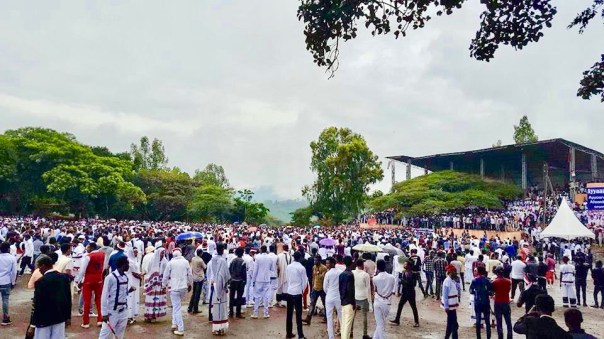
By Aliye Geleto
The Oromo people, one of the largest ethnic groups in Ethiopia and the Horn of Africa, possess a rich cultural heritage, a distinct language, and a profound historical narrative. With an estimated population ranging from 35 to 50 million, the Oromo nation faces numerous challenges in protecting its national interests, which encompass cultural, economic, and political dimensions. This essay discusses the processes the Oromo nation can adopt to strengthen its position, protect its interests, and promote sustainable development.
1. Understanding National Interests
To build effective processes for protecting national interests, the Oromo nation must first define what those interests are. National interests can be categorized as:
– **Cultural**: Preserving and promoting the Oromo language, traditions, customs, and values.
– **Political**: Gaining greater autonomy and representation within the Ethiopian state, ensuring political participation, and safeguarding human rights.
– **Economic**: Developing economic structures that benefit the Oromo people through sustainable development, land rights, and resources management.
– **Social**: Ensuring access to education, healthcare, and social services to enhance the quality of life for the Oromo populace.
A clear understanding of these categories will guide the Oromo nation in formulating strategies and policies that address its specific needs and aspirations.
2. Historical Context
The Oromo people’s historical context is crucial in shaping current processes. The legacy of past injustices, marginalization, and cultural suppression has created a scenario where the Oromo people are determined to reclaim their voice and identity. The struggle for recognition, equality, and self-determination must inform every step taken towards protecting their national interests. By reflecting on past movements, including the Gadaa system (a traditional socio-political system), the Oromo can derive lessons on leadership, governance, and community engagement.
3. Strengthening Political Representation
One of the first and significant steps in protecting the Oromo nation’s interests is enhancing political representation. To this end, the following processes can be implemented:
– **Empowering Local Governance**: Strengthening local governance structures allows Oromos to make decisions that directly impact their communities. This can involve creating local councils that reflect the demographic composition of the region and ensuring that these councils have the authority to address local issues.
– **Formation of Political Alliances**: Building coalitions with other marginalized groups within Ethiopia can amplify the voice of the Oromo nation. Collaborative movements can foster broader political reform and address systemic inequalities.
– **Advocacy for Decentralization**: Continuously advocating for a decentralized political structure that respects ethnic federalism offers the Oromo people a platform to express their interests within the Ethiopian political sphere.
– **Youth and Women Empowerment**: Encouraging women and youth to participate in politics enhances representation and ensures diverse perspectives in decision-making processes. Implementing mentorship programs and training initiatives can equip underrepresented groups with the necessary skills.
4. Cultural Preservation and Promotion
Cultural identity is at the heart of the Oromo national interest. To protect and promote this identity, the following strategies should be considered:
– **Education Initiatives**: Incorporating the Oromo language and history into the formal education system can help reinforce cultural pride among younger generations. Bilingual education can also facilitate access to knowledge while preserving the language.
– **Cultural Festivals and Events**: Organizing cultural festivals that celebrate Oromo traditions, music, and dances can foster unity and raise awareness within and outside the community about Oromo heritage.
– **Documentation and Research**: Supporting research initiatives that document Oromo history, folklore, and traditions can provide a reservoir of knowledge that future generations can draw upon, while also challenging narratives that marginalize Oromo identity.
– **Media and Communication**: Utilizing media platforms to promote Oromo culture can reach a broader audience. This includes producing content in the Oromo language, documenting community stories, and using social media to engage the youth in cultural discourse.
5. Economic Development Strategies
Economic empowerment is essential for the Oromo nation to protect its interests. Sustainable economic development strategies may include:
– **Resource Management**: Establishing clear guidelines and frameworks for the management of natural resources within Oromia can ensure that local communities benefit from their land. Engaging community members in decisions regarding land use is crucial for sustainable development.
– **Entrepreneurship and Vocational Training**: Creating programs that support entrepreneurship and vocational training can help Oromos to start businesses and gain financial independence. Access to micro-credit financing can catalyze local economic initiatives.
– **Agricultural Sustainability**: Since a substantial part of the Oromo population engages in agriculture, initiatives that promote sustainable farming practices can enhance food security and increase livelihoods. Training farmers on modern agricultural techniques and cooperative farming can promote self-sufficiency.
– **Investment in Infrastructure**: Advocating for improved infrastructure, such as roads and public utilities, can foster economic development. Partnering with local and international stakeholders can facilitate the necessary investments.
6. Advocating for Human Rights
Protection of the Oromo people also involves advocating for human rights. This can be achieved through:
– **Monitoring and Documentation**: Establishing mechanisms to document human rights violations can create awareness and promote accountability. Collaborating with local and international human rights organizations can provide broader support and visibility to those affected.
– **Legal Empowerment**: Offering legal assistance to community members facing injustices can empower them to stand up for their rights. Educational campaigns about rights and legal recourse options are essential parts of this strategy.
– **International Advocacy**: Engaging with international human rights organizations to raise awareness about the challenges faced by the Oromo people can help attract global support. This requires strategic diplomacy and communication to highlight issues systematically.
7. Mobilizing the Community
A strong community mobilization strategy is vital for any movement aiming to protect national interests. The following steps can be taken to ensure community engagement:
– **Grassroots Organizing**: Encouraging grassroots movements allows individuals within the community to take ownership of the issues that matter most to them. This can involve town hall meetings, workshops, and community forums to discuss and plan for local and national campaigns.
– **Echoing the Gadaa System**: Revitalizing the Gadaa system principles of governance and collective decision-making can cultivate accountability and collaboration within communities. Reintroducing these democratic traditions can provide a framework for modern governance.
– **Solidarity and Unity**: Promoting solidarity among the Oromo diaspora and those within Ethiopia creates a powerful force for change. Building networks that connect various Oromo communities can enhance resource sharing and collective agency.
8. Engaging with the International Community
The Oromo nation’s quest to protect its interests must extend to international diplomacy:
– **Diplomatic Engagement**: Establishing relations with foreign governments and international organizations can open avenues for support and understanding. Engaging in dialogue about political, economic, and social concerns offers an opportunity to garner international support.
– **Participation in International Forums**: The Oromo nation must actively participate in international forums where issues relevant to Ethiopia and its ethnic groups are addressed. This includes engaging with organizations such as the African Union and United Nations to highlight their plight.
– **Partnership with NGOs**: Collaborating with international non-governmental organizations (NGOs) that advocate for human rights and cultural preservation can amplify the Oromo voice on global platforms.
9. Leveraging Technology and Innovation
In the modern age, leveraging technology is crucial for any movement:
– **Digital Advocacy**: Utilizing social media platforms to raise awareness about Oromo rights, cultural heritage, and economic issues can mobilize a global audience. Digital campaigns can create solidarity and pressure governments to address concerns.
– **Online Learning and Knowledge Sharing**: Creating online platforms for education can inform and empower the community. Online resources that provide learning opportunities in cultural competencies, political education, and economic strategies can be invaluable.
– **Crowdfunding**: Implementing crowdfunding campaigns to support local initiatives can streamline resources toward specific projects that benefit the community.
Conclusion
Protecting the national interests of the Oromo people requires a multifaceted approach that encompasses political, cultural, economic, and social dimensions. The processes outlined in this essay emphasize the importance of community engagement, political representation, cultural promotion, economic development, and international advocacy. By applying these strategies effectively, the Oromo nation can strive towards a future that honors its heritage, empowers its people, and ensures sustainable development for generations to come. The path to achieving these goals demands resilience, unity, and a commitment to the fundamental rights and aspirations of the Oromo people.

Posted on February 10, 2025, in Uncategorized. Bookmark the permalink. Leave a comment.




 Advocacy for Oromia
Leave a comment
Comments 0