The Roles and Contributions of Oromo Women in the Oromo Freedom Struggle
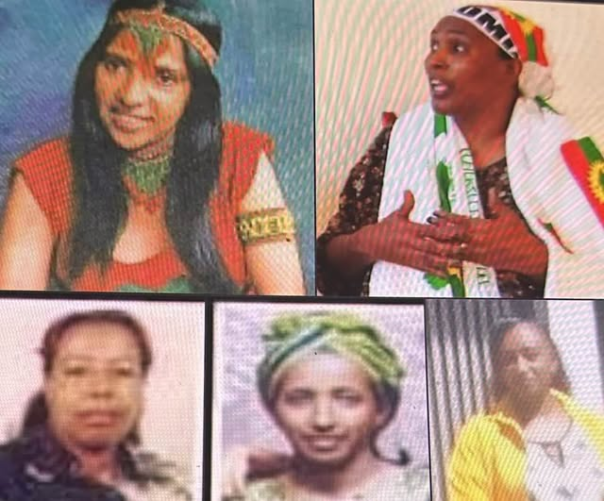
The Oromo freedom struggle is a long-standing movement aimed at achieving self-determination, justice, and equality for the Oromo people, who have faced systemic oppression under successive Ethiopian regimes. Throughout this struggle, Oromo women have played a pivotal role, demonstrating remarkable courage, resilience, and leadership. Their contributions span political, social, cultural, and military spheres, making them indispensable to the movement. This essay explores the multifaceted roles of Oromo women in the Oromo freedom struggle and highlights their enduring legacy.
1. Historical Context of Oromo Women’s Resistance
- Traditional Roles and Early Resistance:
- In Oromo society, women have historically held significant roles within the Gadaa system, a traditional democratic governance structure. While the Gadaa system was male-dominated, women influenced decision-making through institutions like the Siiqqee, a women’s assembly that ensured gender balance and protected women’s rights.
- During the 19th-century colonization of Oromia by Abyssinian forces, Oromo women actively resisted displacement, land confiscation, and cultural erasure. Their resistance was both direct and indirect, often through preserving Oromo culture and traditions.
2. Political and Organizational Leadership
- Participation in Nationalist Movements:
- Oromo women have been active in political organizations such as the Oromo Liberation Front (OLF) and other Oromo nationalist groups. They have served as leaders, organizers, and advocates, pushing for the inclusion of gender equality in the Oromo struggle.
- Advocacy for Women’s Rights:
- Oromo women have fought not only for national liberation but also for gender equality within the movement. They have challenged patriarchal norms and advocated for women’s representation in leadership roles.
3. Military Contributions
- Fighters in the Oromo Liberation Army (OLA):
- Many Oromo women have joined the OLA, the armed wing of the OLF, taking up arms to defend their people and land. Their participation in the armed struggle has been a testament to their courage and commitment.
- Logistical Support:
- Women have provided critical logistical support to the OLA, including supplying food, shelter, and medical care to fighters. They have also acted as messengers and intelligence gatherers, often risking their lives.
4. Cultural Preservation and Mobilization
- Guardians of Oromo Culture:
- Oromo women have played a key role in preserving and promoting Oromo culture, language, and traditions. Through practices such as Irreechaa (Oromo Thanksgiving) and storytelling, they have kept Oromo identity alive.
- Mobilizing Communities:
- Women have been at the forefront of mobilizing communities for protests, demonstrations, and other forms of resistance. Their ability to organize and inspire collective action has been crucial to the movement’s success.
5. Social and Economic Contributions
- Sustaining Families and Communities:
- During times of conflict and displacement, Oromo women have shouldered the responsibility of sustaining their families and communities. They have worked tirelessly to provide for their children and ensure their survival.
- Economic Resistance:
- Women have engaged in economic resistance by boycotting exploitative systems and creating alternative livelihoods. Their efforts have undermined oppressive structures and empowered local communities.
6. Challenges Faced by Oromo Women
- Double Oppression:
- Oromo women face dual oppression as members of a marginalized ethnic group and as women in a patriarchal society. They have had to fight not only for national liberation but also for gender equality.
- Violence and Exploitation:
- Women in the Oromo struggle have been subjected to gender-based violence, including sexual violence, as a tool of war and oppression. Despite these challenges, they have continued to resist and fight for justice.
7. Notable Oromo Women in the Freedom Struggle
- Siiqqee Leaders:
- Historical figures like the leaders of the Siiqqee institution have inspired generations of Oromo women to fight for their rights and dignity.
- Modern Activists:
- Contemporary Oromo women activists, such as Beki Gerba, Jawar Mohammed’s mother, and countless others, have made significant sacrifices for the Oromo cause. Their bravery and leadership continue to inspire the movement.
8. Legacy and Future of Oromo Women in the Struggle
- Empowerment of Future Generations:
- The contributions of Oromo women have paved the way for future generations to take up the mantle of leadership. Young Oromo women are increasingly visible in activism, politics, and community organizing.
- Intersectional Struggle:
- The Oromo freedom struggle is increasingly recognizing the importance of intersectionality, addressing the interconnected issues of gender, class, and ethnicity. Oromo women are at the forefront of this inclusive approach.
Conclusion
Oromo women have been the backbone of the Oromo freedom struggle, contributing in ways that are both visible and behind the scenes. Their resilience, courage, and leadership have been instrumental in advancing the movement for justice, equality, and self-determination. Despite facing immense challenges, Oromo women continue to fight for a future where their people can live with dignity and freedom. Their legacy is a testament to the power of women in shaping history and driving social change. As the struggle continues, the contributions of Oromo women will remain a source of inspiration and strength for the Oromo people and all those who seek justice and equality.

Posted on February 10, 2025, in Uncategorized. Bookmark the permalink. Leave a comment.




 Advocacy for Oromia
Leave a comment
Comments 0