Daily Archives: February 11, 2025
The Life and Legacy of Mr. Hundasaa: A Pillar of Oromo Identity and Struggle
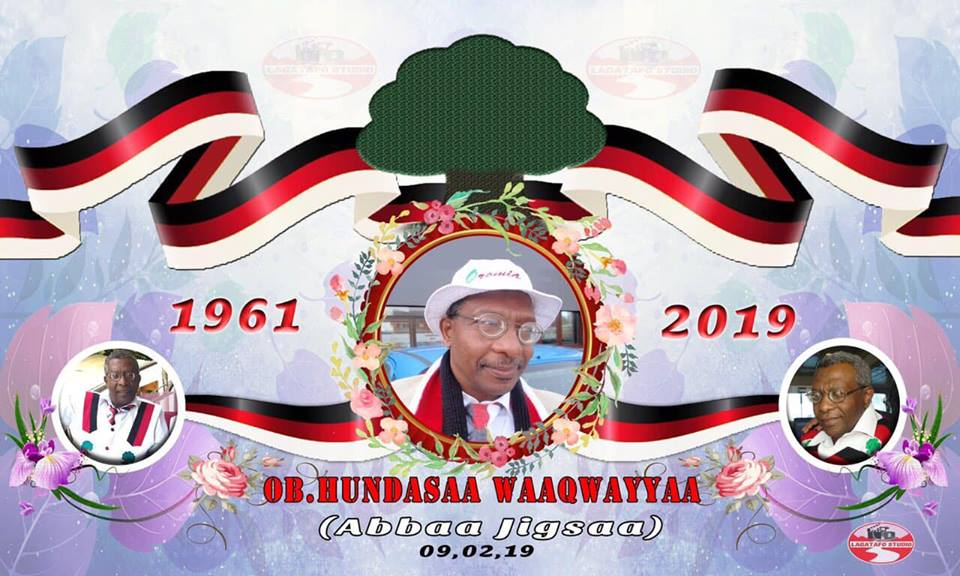
Mr. Hundasaa, born in 1961 in the valley of Obbee, Midaa Qanyi district, West Shawaa, Oromia, was a remarkable figure whose life was dedicated to the preservation and promotion of Oromo culture, language, and identity. His journey from a humble beginning in rural Oromia to becoming a respected leader, educator, and activist in the diaspora is a testament to his unwavering commitment to the Oromo cause. This essay explores the life, contributions, and legacy of Mr. Hundasaa, highlighting his role in strengthening Oromummaa (Oromo identity), Waaqeffannaa (the traditional Oromo religion), and the Oromo liberation struggle.
1. Early Life and Education
- Humble Beginnings:
- Mr. Hundasaa was born to Mr. Waqawayya Lammeessa and Mrs. Nagaasee Haroo in Obbee, a valley in the Midaa Qanyi district. He grew up in a large family with three brothers and two sisters, experiencing the challenges and joys of rural Oromo life.
- Pursuit of Education:
- Despite facing numerous hardships, Mr. Hundasaa pursued his education with determination. He completed his early education in Bixxillee and later attended high school in Ambo, a town known for its historical significance in Oromo education and politics.
2. Contributions to Education and Community
- Teacher and Mentor:
- From 1981 to 1991, Mr. Hundasaa served as a teacher in his native village, dedicating himself to educating the next generation of Oromo youth. His work as a teacher laid the foundation for his lifelong commitment to education and community development.
- Alphabetization and Public Awareness:
- During the transitional period following the fall of the Derg regime, Mr. Hundasaa played a key role in teaching the Oromo alphabet, editing and publishing magazines, and raising public awareness about Oromo culture and rights.
3. Activism and Political Engagement
- Joining the Oromo Liberation Front (OLF):
- Mr. Hundasaa’s commitment to the Oromo cause led him to join the Oromo Liberation Front (OLF), where he underwent training in Qilxu Jaalee, Mandi, in western Oromia. His activism during this period was marked by courage and dedication.
- Exile and Continued Struggle:
- Due to increasing surveillance and intimidation by government security forces, Mr. Hundasaa was forced to flee to Kenya in the late 1990s. In Kenya, he continued his work, building and educating the Oromo community in exile.
4. Life in the Diaspora
- Settling in Norway:
- In late 1999, Mr. Hundasaa settled in Norway with his wife and three children. Despite being far from his homeland, he remained deeply involved in activities promoting Oromummaa, Waaqeffannaa, and the Oromo language.
- Promoting Waaqeffannaa:
- Mr. Hundasaa was instrumental in organizing and strengthening the World Waaqeffannaa Assembly. He played a key role in ensuring the timely delivery of “kudharfee” (religious teachings) and bringing together scholars of Oromo culture and religion.
- Recognition and Awards:
- His outstanding contributions to the Waaqeffannaa religion earned him a special award from the World Waaqeffannaa Council, a testament to his dedication and impact.
5. Political Leadership and Legacy
- Oromo Democratic Party (ODP):
- Since 2012, Mr. Hundasaa served as a veteran member and secretary of the Oromo Democratic Party (ODP) in Europe. His leadership was characterized by patience, inclusivity, and a commitment to dialogue and unity.
- Advocate for Oromo Unity:
- Mr. Hundasaa believed in resolving differences through negotiation and mutual respect. His approach to leadership fostered a sense of solidarity and shared purpose among Oromo activists and community members.
6. Personal Life and Character
- Family Man:
- Mr. Hundasaa was a devoted husband and father, deeply committed to the well-being of his family. He supported his siblings and extended family, embodying the values of love and responsibility.
- Community Leader:
- Known for his righteousness and generosity, Mr. Hundasaa built lasting friendships and earned the respect of his peers. His contributions to the Oromo community were driven by a genuine desire to uplift and empower others.
7. Illness and Passing
- Health Challenges:
- In his later years, Mr. Hundasaa faced health challenges that limited his ability to continue his work. Despite his illness, he remained active in Oromo causes, participating in the 2017 Irreecha festival before returning to Norway for treatment.
- Legacy of Resilience:
- Mr. Hundasaa passed away on February 9, 2019, surrounded by his family and friends. His life was a testament to resilience, courage, and unwavering dedication to the Oromo people.
8. Conclusion: A Life of Service and Inspiration
Mr. Hundasaa’s life and work left an indelible mark on the Oromo community. His contributions to education, culture, religion, and politics strengthened Oromo identity and unity, both in Ethiopia and the diaspora. As a teacher, activist, and leader, he embodied the values of Oromummaa and Waaqeffannaa, inspiring countless individuals to continue the struggle for justice and self-determination.
May his soul rest in peace, and may his legacy continue to inspire future generations of Oromo leaders and activists. Condolences to his family, relatives, and friends. Let the bookaa flow under his ekeraa, symbolizing the enduring impact of his life and work.
Note: The phrases “let the bookaa flow under his ekeraa” refer to traditional Oromo cultural practices associated with honoring the deceased. The bookaa is a ceremonial honey used in rituals, and ekeraa refers to the spirit of the deceased person resting place or grave. These symbols highlight the deep cultural roots of Mr. Hundasaa’s legacy.
The Legacy of Abba Dabbasaa Guyyoo Saffaroo
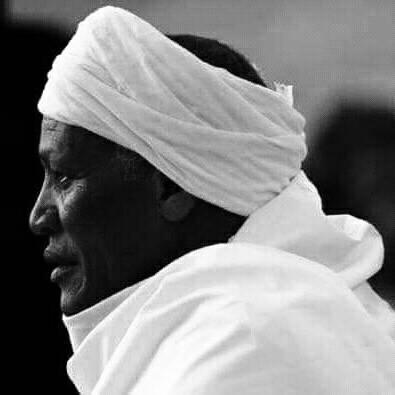
Abba Dabbasaa Guyyoo Saffaroo was a revered Oromo elder, scholar, and custodian of the Gadaa system, the traditional Oromo governance and social system. His profound knowledge of Oromo history, culture, and traditions made him a pivotal figure in preserving and promoting Oromo heritage. His sudden disappearance in Nairobi, Kenya, on September 27, 2015, remains a mystery and a great loss to the Oromo people. This essay explores the roles and contributions of Abba Dabbasaa Guyyoo Saffaroo to Oromo society, highlighting his legacy as a scholar, teacher, and cultural ambassador.
1. Guardian of the Gadaa System
- Deep Knowledge of Gadaa:
- Abba Dabbasaa was a master of the Gadaa system, having studied and practiced it for many years. His expertise included the intricate rules, rituals, and philosophies of Gadaa, which he taught to scholars, students, and community members.
- Founding ARGAA DHAGEETTII GADAA OROMOO:
- He established ARGAA DHAGEETTII GADAA OROMOO in Kenya, an organization dedicated to preserving and promoting the Gadaa system. Through this platform, he educated countless individuals about Oromo traditions and governance.
2. Educator and Mentor
- Teaching Oromo History and Culture:
- Abba Dabbasaa was a renowned educator who taught Oromo history, prophecy, culture, morality, and traditions. His ability to recount historical events with precision, including dates and locations, was unparalleled.
- Inspiring Scholars:
- Many scholars of the Gadaa system studied under Abba Dabbasaa or referenced his teachings. His work has been instrumental in shaping contemporary understanding of Oromo heritage.
3. Cultural Ambassador
- Global Outreach:
- Abba Dabbasaa traveled extensively, sharing his knowledge of the Gadaa system and Oromo culture with audiences in countries such as Guatemala, Russia, the United States, and Norway. His presentations helped to raise global awareness of Oromo traditions.
- Promoting Oromo Identity:
- Through his teachings and advocacy, Abba Dabbasaa played a key role in strengthening Oromo identity and pride, both within Ethiopia and in the diaspora.
4. Preserver of Oromo Morality and Ethics
- Upholding Traditional Values:
- Abba Dabbasaa was a staunch advocate for Oromo moral and ethical values, which are deeply rooted in the Gadaa system. He emphasized the importance of respect, justice, and communal harmony.
- Role Model:
- His life and work exemplified the principles he taught, making him a respected role model for Oromo youth and elders alike.
5. Contributions to Oromo Unity
- Neutral and Inclusive:
- Abba Dabbasaa was known for his impartiality and refusal to align with any particular political or social group. His focus was on the preservation and promotion of Oromo culture, which helped to foster unity among the Oromo people.
- Bridge Builder:
- He worked to bridge generational and regional divides within Oromo society, encouraging dialogue and mutual understanding.
6. Legacy of Abba Dabbasaa Guyyoo Saffaroo
- Intellectual Legacy:
- Abba Dabbasaa’s teachings and writings continue to inspire scholars, activists, and community leaders. His work remains a vital resource for understanding Oromo history and culture.
- Cultural Revival:
- His efforts to revive and promote the Gadaa system have had a lasting impact on Oromo society, contributing to a renewed interest in traditional governance and values.
- Advocate for Justice:
- Abba Dabbasaa’s disappearance has become a symbol of the struggles faced by Oromo intellectuals and activists. His case highlights the need for justice and accountability in addressing the challenges faced by the Oromo people.
7. The Mystery of His Disappearance
- A Great Loss:
- Abba Dabbasaa’s disappearance in Nairobi on September 27, 2015, remains unresolved. His absence has left a void in the Oromo intellectual and cultural community.
- Call for Justice:
- The Oromo people continue to demand answers and justice for Abba Dabbasaa. His case underscores the risks faced by those who dedicate their lives to preserving and promoting Oromo heritage.
Conclusion
Abba Dabbasaa Guyyoo Saffaroo was a towering figure in Oromo society, whose contributions to the preservation and promotion of the Gadaa system, Oromo history, and culture are immeasurable. His work as an educator, cultural ambassador, and moral guide has left an indelible mark on the Oromo people. Despite his mysterious disappearance, his legacy lives on through the countless individuals he inspired and the enduring impact of his teachings. Abba Dabbasaa’s life and work serve as a reminder of the importance of preserving cultural heritage and striving for justice and unity. His story continues to inspire the Oromo people in their ongoing struggle for recognition, equality, and self-determination.
The Contributions of Oromo Mothers to Family, Society, and Country
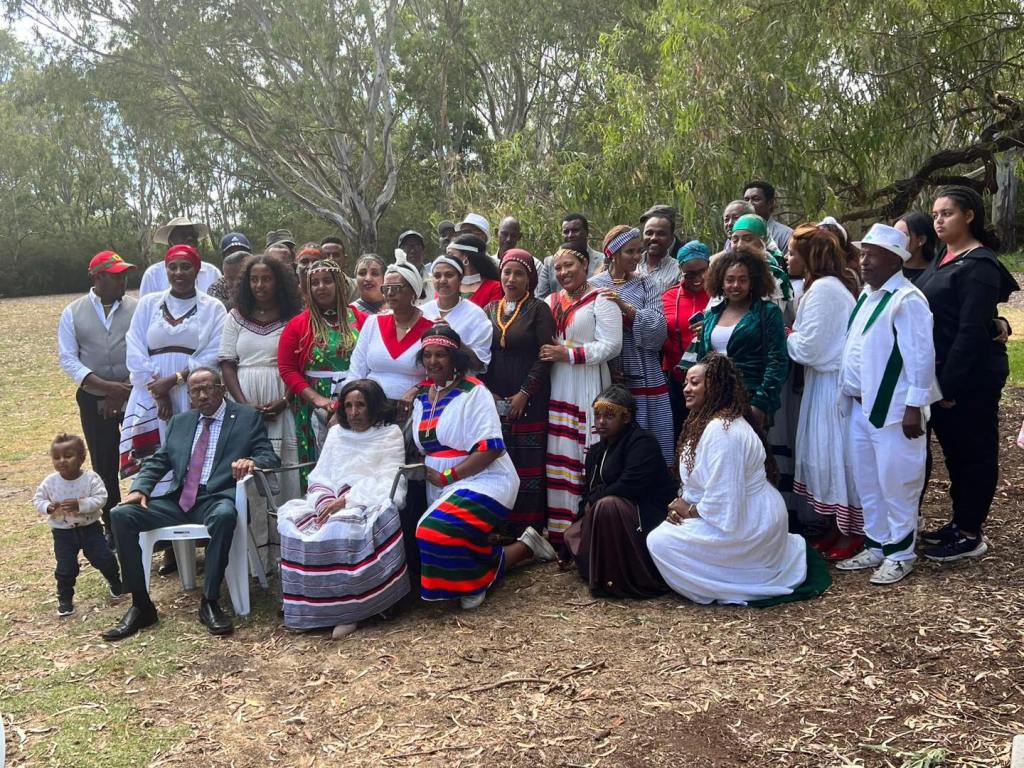
Oromo mothers have long been the pillars of their families, communities, and the broader Oromo nation. Their contributions extend far beyond the domestic sphere, encompassing social, cultural, economic, and political dimensions. On March 3, 2024, Oromo mothers and women were honored in Melbourne, Australia, for the first time in a special day of thanksgiving. This celebration recognized their enduring sacrifices, resilience, and leadership. This essay explores the multifaceted contributions of Oromo mothers to the family, society, and country.
1. Contributions to the Family
- Nurturers and Caregivers:
- Oromo mothers are the primary caregivers in their families, responsible for raising children, maintaining households, and ensuring the well-being of their loved ones. Their nurturing role lays the foundation for strong, healthy families.
- Preservers of Culture and Tradition:
- Oromo mothers play a crucial role in passing down cultural values, traditions, and language to the next generation. Through storytelling, cooking traditional foods, and celebrating cultural festivals like Irreechaa, they keep Oromo identity alive.
- Emotional Anchors:
- In times of hardship, Oromo mothers provide emotional support and stability to their families. Their strength and resilience inspire their children and spouses to persevere through challenges.
2. Contributions to Society
- Community Builders:
- Oromo mothers are often at the heart of community activities, organizing events, resolving conflicts, and fostering unity. Their leadership in local initiatives strengthens social cohesion and solidarity.
- Educators and Mentors:
- Many Oromo mothers take on the role of educators, teaching children not only academic skills but also moral values, respect, and the importance of community. They mentor young people, guiding them toward positive contributions to society.
- Advocates for Social Justice:
- Oromo mothers have been active in advocating for social justice, both within their communities and on broader platforms. They have fought against gender-based violence, discrimination, and inequality, pushing for a more just and inclusive society.
3. Contributions to the Country
- Economic Contributors:
- Oromo mothers contribute significantly to the economy through their work in agriculture, trade, and other sectors. In rural areas, they are often the backbone of agricultural production, ensuring food security for their families and communities.
- Political Activists:
- Many Oromo mothers have been at the forefront of political movements, advocating for the rights and freedoms of the Oromo people. Their participation in protests, demonstrations, and advocacy campaigns has been instrumental in advancing the Oromo struggle for self-determination.
- Cultural Ambassadors:
- Oromo mothers serve as cultural ambassadors, promoting Oromo traditions, music, and art both within Ethiopia and in the diaspora. Their efforts help to preserve and celebrate Oromo heritage on a global stage.
4. Challenges Faced by Oromo Mothers
- Double Burden:
- Oromo mothers often bear a double burden, balancing their responsibilities at home with their roles in society and the economy. Despite these challenges, they continue to excel in both domains.
- Impact of Conflict and Displacement:
- Many Oromo mothers have endured the hardships of conflict, displacement, and loss. Their ability to rebuild their lives and support their families in the face of adversity is a testament to their resilience.
- Gender Inequality:
- Oromo mothers face systemic gender inequality, including limited access to education, healthcare, and economic opportunities. Despite these barriers, they continue to fight for a better future for themselves and their children.
5. Celebrating Oromo Mothers in Melbourne
- A Historic Event:
- The celebration of Oromo mothers in Melbourne on March 3, 2024, marked a historic moment for the Oromo diaspora. It was a day to honor their sacrifices, celebrate their achievements, and express gratitude for their contributions.
- Cultural Performances and Tributes:
- The event likely featured cultural performances, speeches, and tributes highlighting the roles of Oromo mothers in the family, society, and country. It served as a reminder of their enduring legacy.
- Strengthening Diaspora Connections:
- By celebrating Oromo mothers, the event also strengthened connections within the Oromo diaspora, fostering a sense of unity and shared purpose.
6. Legacy and Future of Oromo Mothers
- Empowering Future Generations:
- The contributions of Oromo mothers have paved the way for future generations of Oromo women to take on leadership roles and continue the struggle for justice and equality.
- Role Models for Resilience:
- Oromo mothers serve as role models for resilience, strength, and perseverance. Their stories inspire others to overcome challenges and strive for a better future.
- Advancing Gender Equality:
- The recognition of Oromo mothers’ contributions is a step toward advancing gender equality within Oromo society and beyond. It highlights the need to address systemic barriers and empower women in all spheres of life.
Conclusion
Oromo mothers are the unsung heroes of their families, communities, and nation. Their contributions to the family, society, and country are immeasurable, encompassing nurturing, cultural preservation, community building, economic production, and political activism. The celebration of Oromo mothers in Melbourne on March 3, 2024, was a fitting tribute to their enduring legacy and a reminder of the importance of honoring their sacrifices. As the Oromo people continue their struggle for freedom and equality, the role of Oromo mothers will remain central to their success. Their resilience, strength, and love are a source of inspiration for all.
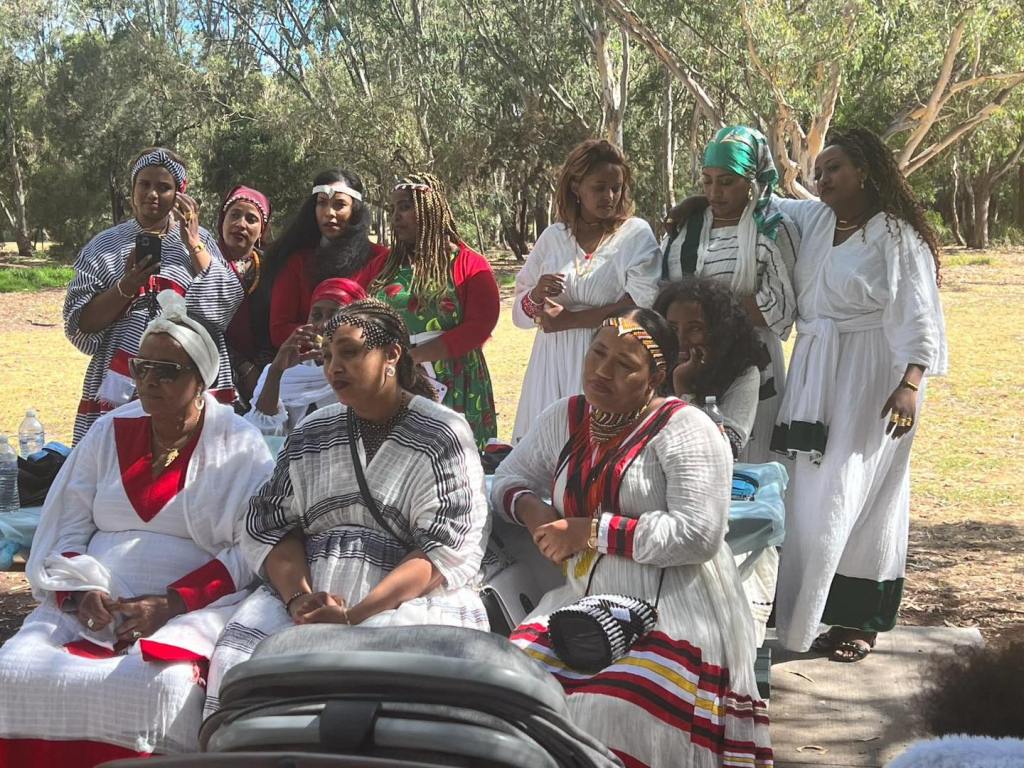




 Advocacy for Oromia