The Contributions of Oromo Mothers to Family, Society, and Country
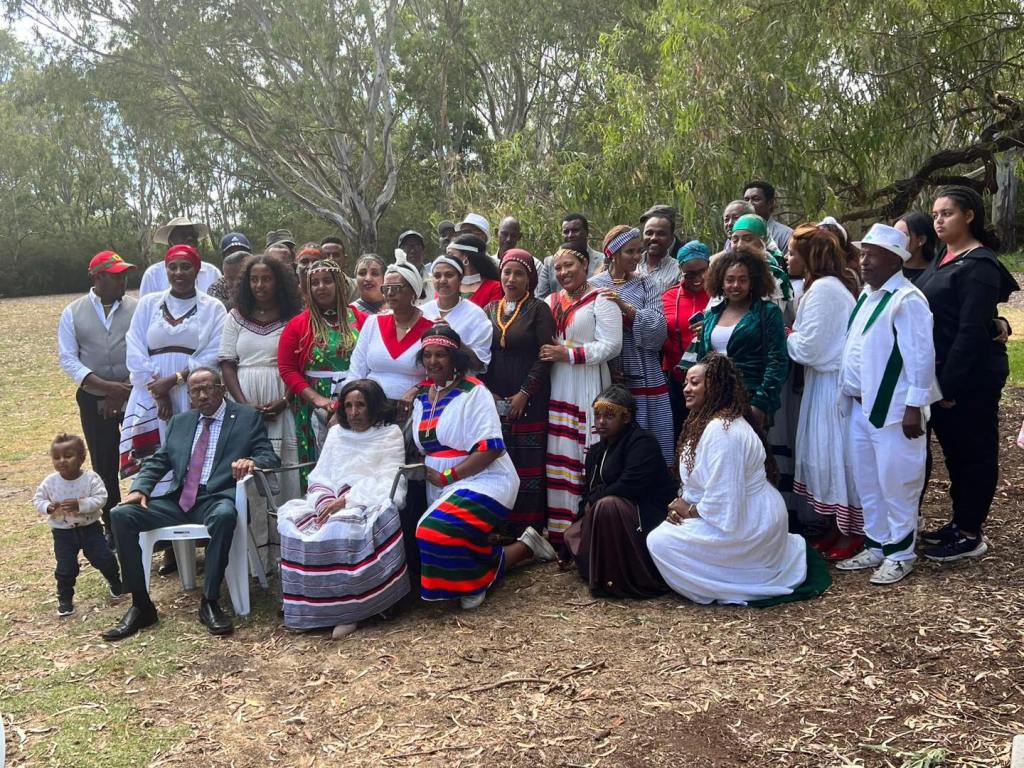
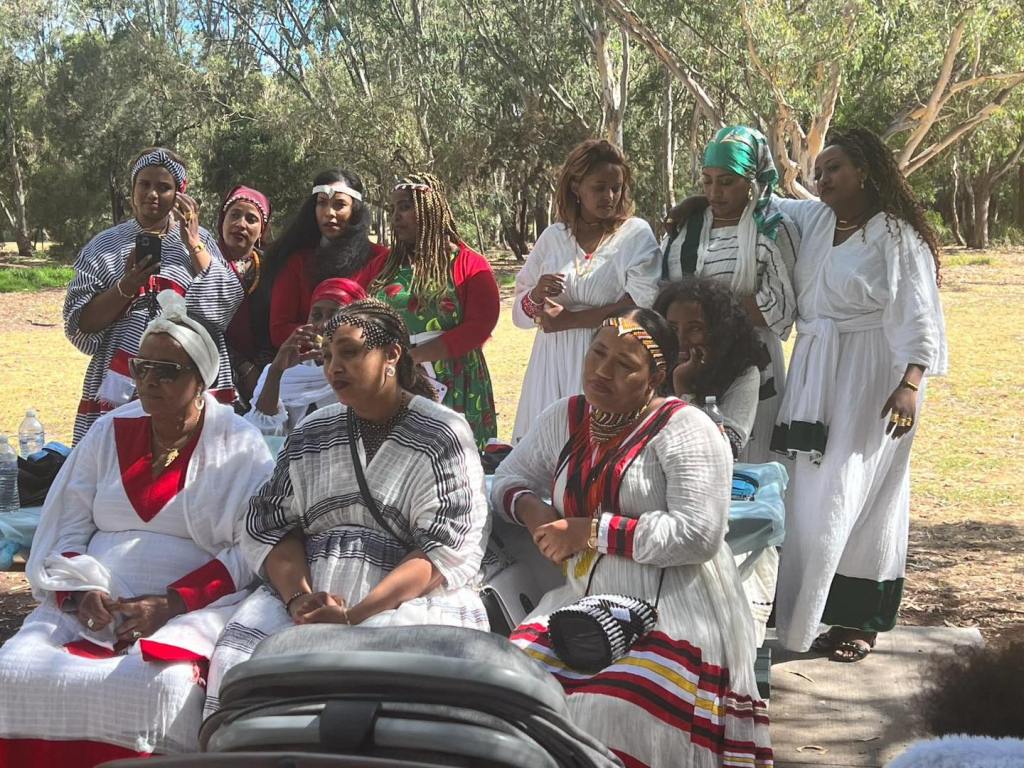
Oromo mothers have long been the pillars of their families, communities, and the broader Oromo nation. Their contributions extend far beyond the domestic sphere, encompassing social, cultural, economic, and political dimensions. On March 3, 2024, Oromo mothers and women were honored in Melbourne, Australia, for the first time in a special day of thanksgiving. This celebration recognized their enduring sacrifices, resilience, and leadership. This essay explores the multifaceted contributions of Oromo mothers to the family, society, and country.
1. Contributions to the Family
- Nurturers and Caregivers:
- Oromo mothers are the primary caregivers in their families, responsible for raising children, maintaining households, and ensuring the well-being of their loved ones. Their nurturing role lays the foundation for strong, healthy families.
- Preservers of Culture and Tradition:
- Oromo mothers play a crucial role in passing down cultural values, traditions, and language to the next generation. Through storytelling, cooking traditional foods, and celebrating cultural festivals like Irreechaa, they keep Oromo identity alive.
- Emotional Anchors:
- In times of hardship, Oromo mothers provide emotional support and stability to their families. Their strength and resilience inspire their children and spouses to persevere through challenges.
2. Contributions to Society
- Community Builders:
- Oromo mothers are often at the heart of community activities, organizing events, resolving conflicts, and fostering unity. Their leadership in local initiatives strengthens social cohesion and solidarity.
- Educators and Mentors:
- Many Oromo mothers take on the role of educators, teaching children not only academic skills but also moral values, respect, and the importance of community. They mentor young people, guiding them toward positive contributions to society.
- Advocates for Social Justice:
- Oromo mothers have been active in advocating for social justice, both within their communities and on broader platforms. They have fought against gender-based violence, discrimination, and inequality, pushing for a more just and inclusive society.
3. Contributions to the Country
- Economic Contributors:
- Oromo mothers contribute significantly to the economy through their work in agriculture, trade, and other sectors. In rural areas, they are often the backbone of agricultural production, ensuring food security for their families and communities.
- Political Activists:
- Many Oromo mothers have been at the forefront of political movements, advocating for the rights and freedoms of the Oromo people. Their participation in protests, demonstrations, and advocacy campaigns has been instrumental in advancing the Oromo struggle for self-determination.
- Cultural Ambassadors:
- Oromo mothers serve as cultural ambassadors, promoting Oromo traditions, music, and art both within Ethiopia and in the diaspora. Their efforts help to preserve and celebrate Oromo heritage on a global stage.
4. Challenges Faced by Oromo Mothers
- Double Burden:
- Oromo mothers often bear a double burden, balancing their responsibilities at home with their roles in society and the economy. Despite these challenges, they continue to excel in both domains.
- Impact of Conflict and Displacement:
- Many Oromo mothers have endured the hardships of conflict, displacement, and loss. Their ability to rebuild their lives and support their families in the face of adversity is a testament to their resilience.
- Gender Inequality:
- Oromo mothers face systemic gender inequality, including limited access to education, healthcare, and economic opportunities. Despite these barriers, they continue to fight for a better future for themselves and their children.
5. Celebrating Oromo Mothers in Melbourne
- A Historic Event:
- The celebration of Oromo mothers in Melbourne on March 3, 2024, marked a historic moment for the Oromo diaspora. It was a day to honor their sacrifices, celebrate their achievements, and express gratitude for their contributions.
- Cultural Performances and Tributes:
- The event likely featured cultural performances, speeches, and tributes highlighting the roles of Oromo mothers in the family, society, and country. It served as a reminder of their enduring legacy.
- Strengthening Diaspora Connections:
- By celebrating Oromo mothers, the event also strengthened connections within the Oromo diaspora, fostering a sense of unity and shared purpose.
6. Legacy and Future of Oromo Mothers
- Empowering Future Generations:
- The contributions of Oromo mothers have paved the way for future generations of Oromo women to take on leadership roles and continue the struggle for justice and equality.
- Role Models for Resilience:
- Oromo mothers serve as role models for resilience, strength, and perseverance. Their stories inspire others to overcome challenges and strive for a better future.
- Advancing Gender Equality:
- The recognition of Oromo mothers’ contributions is a step toward advancing gender equality within Oromo society and beyond. It highlights the need to address systemic barriers and empower women in all spheres of life.
Conclusion
Oromo mothers are the unsung heroes of their families, communities, and nation. Their contributions to the family, society, and country are immeasurable, encompassing nurturing, cultural preservation, community building, economic production, and political activism. The celebration of Oromo mothers in Melbourne on March 3, 2024, was a fitting tribute to their enduring legacy and a reminder of the importance of honoring their sacrifices. As the Oromo people continue their struggle for freedom and equality, the role of Oromo mothers will remain central to their success. Their resilience, strength, and love are a source of inspiration for all.

Posted on February 11, 2025, in Uncategorized. Bookmark the permalink. Leave a comment.




 Advocacy for Oromia
Leave a comment
Comments 0