Daily Archives: February 13, 2025
One flag. One people. One Oromia!
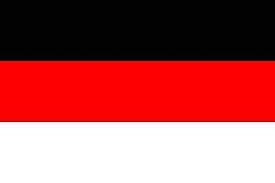
The traditional Oromo flag consists of three horizontal stripes of black, red, and white, each with its own symbolic meaning. However, if you are referring to a variation or a specific interpretation of the flag, it’s important to clarify its design and symbolism. Below, I’ll provide an explanation based on the traditional Oromo flag and address the colors you mentioned (red, green, and red) in case this refers to a different or modified version.
Traditional Oromo Freedom Flag
The Oromo Freedom Flag is a powerful symbol of the Oromo people’s identity, struggle, and aspirations. Its traditional design consists of three horizontal stripes:
- Black (Top Stripe):
- Represents the Oromo people themselves, their identity, and their resilience in the face of historical oppression and marginalization.
- Symbolizes the strength and unity of the Oromo nation.
- Red (Middle Stripe):
- Stands for the blood shed by Oromo heroes and heroines in the struggle for freedom, justice, and equality.
- Represents sacrifice, courage, and the ongoing fight for self-determination.
- White (Bottom Stripe):
- Symbolizes peace, hope, and the aspiration for a future where the Oromo people can live in dignity and harmony.
- Reflects the desire for reconciliation, justice, and a brighter future for Oromia.
This flag is widely recognized as a symbol of the Oromo liberation movement and is deeply cherished by the Oromo people.
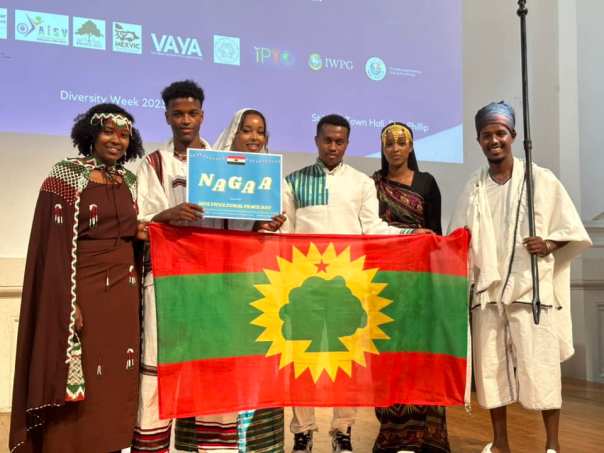
The Flag with Red, Green, and Red colours
A flag with the colors red, green, and red is also associated with a specific Oromo movement. Here’s a possible interpretation of these colors:
- Red (Top and Bottom Stripes):
- Represents the blood shed in the struggle for freedom, justice, and self-determination.
- Symbolizes courage, sacrifice, and the resilience of the Oromo people.
- Green (Middle Stripe):
- Represents the land of Oromia, its natural beauty, and its fertility.
- Symbolizes hope, growth, and the aspiration for a prosperous and sustainable future.
This combination of colors could reflect a focus on the connection between the Oromo people and their land, as well as their ongoing struggle for rights and recognition.
Symbolism of the Oromo Freedom Flag (Regardless of Design)
- Unity and Identity: The flag serves as a unifying symbol for the Oromo people, reminding them of their shared history, culture, and aspirations.
- Resistance and Liberation: It represents the Oromo people’s resistance against oppression and their fight for justice, equality, and self-determination.
- Hope and Future: The flag embodies the hope for a peaceful and prosperous future where the Oromo people can thrive as a free and self-determined nation.
Importance of the Oromo Freedom Flag
- Cultural Pride: The flag is a source of pride for the Oromo people, symbolizing their rich heritage and enduring spirit.
- Political Symbol: It is a rallying point for Oromo political movements, such as the Oromo Liberation Front (OLF), and serves as a symbol of their struggle for rights and recognition.
- Global Recognition: The flag is recognized by Oromo communities worldwide, fostering a sense of belonging and solidarity among the diaspora.
Conclusion
Whether the Oromo Freedom Flag is black, red, and white or red, green, and red, it remains a powerful symbol of the Oromo people’s identity, struggle, and aspirations. It represents their resilience in the face of historical injustices, their ongoing fight for freedom and equality, and their hope for a peaceful and prosperous future. The flag is a unifying emblem that inspires the Oromo people to stand together as One People under One Flag for One Oromia.
One flag. One people. One Oromia!
“One Flag. One People. One Oromia!” is a powerful and unifying slogan that encapsulates the spirit of unity, identity, and collective aspiration among the Oromo people. It reflects the deep sense of pride in Oromo culture, history, and the shared vision for a future where the Oromo people can thrive as a united and self-determined community. Here’s a deeper look into the meaning and significance of this slogan:
One Flag
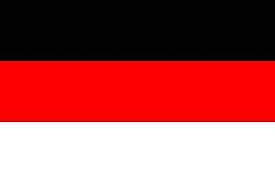
- The Oromo flag is a symbol of Oromo identity, resistance, and hope. Its colors—black, red, and white—carry profound meanings:
- Black represents the Oromo people and their resilience in the face of historical oppression and marginalization.
- Red symbolizes the sacrifices made by Oromo heroes and heroines in the struggle for freedom, justice, and equality.
- White stands for peace, hope, and the aspiration for a brighter future.
- The flag is not just a piece of cloth; it is a rallying point for the Oromo people, a reminder of their shared history, and a beacon of their collective dreams.
One People
- The Oromo are the largest ethnic group in Ethiopia and one of the largest in Africa, with a rich cultural heritage, language (Afaan Oromo), and traditions like the Gadaa system.
- Despite being divided by regional and political boundaries, the Oromo people share a common identity, history, and destiny. The slogan emphasizes the importance of unity and solidarity among all Oromo, regardless of differences.
- It calls for the Oromo to stand together as one people, celebrating their diversity while working toward common goals of justice, equality, and self-determination.
One Oromia
- Oromia is the homeland of the Oromo people, a region rich in natural resources, culture, and history. The slogan highlights the vision of a united and prosperous Oromia where the Oromo people can exercise their rights, preserve their culture, and determine their future.
- It also reflects the aspiration for self-determination, whether within a federal Ethiopia or as an autonomous entity, where the Oromo people can govern themselves and protect their land, resources, and identity.
- The call for “One Oromia” is a reminder of the need to address historical injustices, such as land dispossession and political marginalization, and to build a future where Oromia thrives as a symbol of peace, justice, and progress.
The Spirit of the Slogan
- Unity: The slogan calls for unity among the Oromo people, transcending regional, political, and social divisions. It reminds the Oromo that their strength lies in their collective identity and shared purpose.
- Resistance and Resilience: It honors the struggles of past and present Oromo generations who have fought for freedom, justice, and recognition.
- Hope and Aspiration: It looks forward to a future where the Oromo people can live with dignity, peace, and prosperity, free from oppression and marginalization.
Broader Implications
- Cultural Pride: The slogan reinforces pride in Oromo culture, language, and traditions, encouraging the younger generation to embrace and preserve their heritage.
- Political Mobilization: It serves as a rallying cry for political movements like the Oromo Liberation Front (OLF) and others advocating for Oromo rights and self-determination.
- Global Solidarity: The slogan resonates with Oromo diaspora communities worldwide, fostering a sense of belonging and connection to their homeland.
Conclusion
“One Flag. One People. One Oromia!” is more than just a slogan—it is a declaration of identity, a call for unity, and a vision for the future. It embodies the hopes, struggles, and dreams of the Oromo people, reminding them of their shared history and collective destiny. As the Oromo continue their journey toward justice, equality, and self-determination, this slogan will remain a powerful symbol of their resilience and unwavering spirit.
Urgent Need for Peace Talks in Oromia Region

The ongoing political conflict in Oromia is indeed having severe consequences for security, governance, democracy, and human rights in the region. The violence and instability have led to loss of lives, displacement of communities, and destruction of property, exacerbating the suffering of the Oromo people and undermining efforts to build a stable and inclusive political system. To address this crisis, peaceful and political dialogue among the key stakeholders—the Oromia Prosperity Party (OPP), the Oromo Liberation Front (OLF), the Oromo Federalist Congress (OFC), and the Oromo Liberation Army (OLA)—is not only necessary but urgent. Here’s what is expected of these parties to hold meaningful peace talks and why such efforts are critical to saving Oromia:
What is Expected of the Parties?
1. Commitment to Dialogue
All parties must demonstrate a genuine willingness to engage in peaceful negotiations, setting aside their differences and prioritizing the interests of the Oromo people and the broader Ethiopian society.
They should renounce violence as a means of achieving political goals and commit to resolving disputes through dialogue and compromise.
2. Inclusive Representation
The peace talks should include all major stakeholders, ensuring that the voices of the Oromo people, civil society, women, youth, and other marginalized groups are represented.
This inclusivity will help build trust and ensure that the outcomes of the talks reflect the diverse needs and aspirations of the Oromo population.
3. Neutral Mediation
A neutral and credible third party, such as the African Union (AU), the United Nations (UN), or respected regional leaders, should facilitate the talks to ensure fairness and transparency.
Mediators can help bridge gaps, manage tensions, and guide the parties toward mutually acceptable solutions.
4. Clear Agenda and Framework
The talks should have a clear agenda focused on addressing the root causes of the conflict, such as political marginalization, land rights, cultural rights, and governance issues.
A structured framework with timelines and milestones will help maintain momentum and ensure accountability.
5. Confidence-Building Measures
To create an environment conducive to dialogue, all parties should take steps to reduce tensions, such as ceasing hostilities, releasing political prisoners, and allowing humanitarian access to affected areas.
These measures can help build trust and demonstrate a commitment to peace.
6. Focus on Long-Term Solutions
The talks should aim to address not only immediate security concerns but also long-term political and structural reforms, such as equitable power-sharing, decentralization, and the protection of human rights.
A comprehensive approach will help prevent future conflicts and promote sustainable peace.
Why Peace Talks are Necessary
- To Save Lives and Prevent Further Suffering
The ongoing conflict has caused immense human suffering, including deaths, displacement, and destruction of livelihoods. Peace talks are essential to halt the violence and prevent further loss of life and property.
- To Strengthen Governance and Democracy
The conflict has undermined governance and democratic processes in Oromia, creating a vacuum that exacerbates instability. Peaceful dialogue can help restore trust in institutions and promote inclusive governance.
- To Protect Human Rights
The violence has led to widespread human rights abuses, including arbitrary arrests, extrajudicial killings, and restrictions on freedom of expression. A peaceful resolution is necessary to ensure the protection of human rights and the rule of law.
- To Address the Root Causes of the Conflict
The conflict in Oromia is rooted in historical grievances, including political marginalization, land dispossession, and cultural suppression. Peace talks provide an opportunity to address these issues and create a more equitable and just society.
- To Promote National Unity
Oromia is a critical region in Ethiopia, and its stability is essential for the country’s overall peace and development. Resolving the conflict through dialogue will contribute to national unity and cohesion.
- To Avoid Regional and International Spillover
The conflict in Oromia has the potential to destabilize neighboring regions and attract external interference. A peaceful resolution will help prevent the conflict from escalating into a broader regional crisis.
How to Move Forward
- Immediate Ceasefire
All parties should agree to an immediate ceasefire to create a conducive environment for dialogue and reduce the humanitarian impact of the conflict.
- Public Support for Peace
The Oromo people, civil society organizations, and the international community should rally behind the call for peace, putting pressure on the parties to engage in meaningful dialogue.
- International Support
The international community, including the African Union, the United Nations, and Ethiopia’s regional partners, should support the peace process by providing technical, financial, and diplomatic assistance.
- Sustainable Peacebuilding
Beyond the immediate resolution of the conflict, long-term peacebuilding efforts, such as reconciliation, justice, and economic development, should be prioritized to address the underlying causes of the crisis.
The call for peace talks among the Oromia Prosperity Party, the Oromo Liberation Front, the Oromo Federalist Congress, and the Oromo Liberation Army is a critical step toward resolving the conflict in Oromia. By committing to dialogue, addressing root causes, and prioritizing the well-being of the Oromo people, these parties can help save Oromia from further destruction and pave the way for a more just, inclusive, and peaceful future. The time to act is now—before the conflict escalates further and inflicts irreparable damage on the region and its people.
Advocacy for Oromia




 Advocacy for Oromia