One flag. One people. One Oromia!
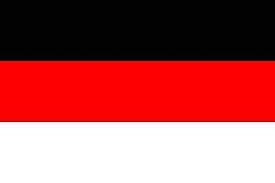
The traditional Oromo flag consists of three horizontal stripes of black, red, and white, each with its own symbolic meaning. However, if you are referring to a variation or a specific interpretation of the flag, it’s important to clarify its design and symbolism. Below, I’ll provide an explanation based on the traditional Oromo flag and address the colors you mentioned (red, green, and red) in case this refers to a different or modified version.
Traditional Oromo Freedom Flag
The Oromo Freedom Flag is a powerful symbol of the Oromo people’s identity, struggle, and aspirations. Its traditional design consists of three horizontal stripes:
- Black (Top Stripe):
- Represents the Oromo people themselves, their identity, and their resilience in the face of historical oppression and marginalization.
- Symbolizes the strength and unity of the Oromo nation.
- Red (Middle Stripe):
- Stands for the blood shed by Oromo heroes and heroines in the struggle for freedom, justice, and equality.
- Represents sacrifice, courage, and the ongoing fight for self-determination.
- White (Bottom Stripe):
- Symbolizes peace, hope, and the aspiration for a future where the Oromo people can live in dignity and harmony.
- Reflects the desire for reconciliation, justice, and a brighter future for Oromia.
This flag is widely recognized as a symbol of the Oromo liberation movement and is deeply cherished by the Oromo people.
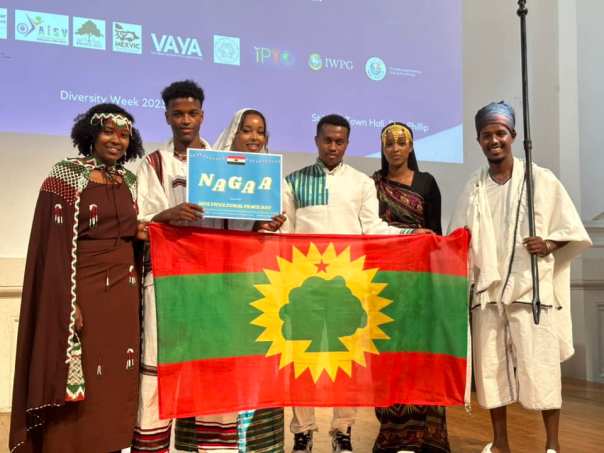
The Flag with Red, Green, and Red colours
A flag with the colors red, green, and red is also associated with a specific Oromo movement. Here’s a possible interpretation of these colors:
- Red (Top and Bottom Stripes):
- Represents the blood shed in the struggle for freedom, justice, and self-determination.
- Symbolizes courage, sacrifice, and the resilience of the Oromo people.
- Green (Middle Stripe):
- Represents the land of Oromia, its natural beauty, and its fertility.
- Symbolizes hope, growth, and the aspiration for a prosperous and sustainable future.
This combination of colors could reflect a focus on the connection between the Oromo people and their land, as well as their ongoing struggle for rights and recognition.
Symbolism of the Oromo Freedom Flag (Regardless of Design)
- Unity and Identity: The flag serves as a unifying symbol for the Oromo people, reminding them of their shared history, culture, and aspirations.
- Resistance and Liberation: It represents the Oromo people’s resistance against oppression and their fight for justice, equality, and self-determination.
- Hope and Future: The flag embodies the hope for a peaceful and prosperous future where the Oromo people can thrive as a free and self-determined nation.
Importance of the Oromo Freedom Flag
- Cultural Pride: The flag is a source of pride for the Oromo people, symbolizing their rich heritage and enduring spirit.
- Political Symbol: It is a rallying point for Oromo political movements, such as the Oromo Liberation Front (OLF), and serves as a symbol of their struggle for rights and recognition.
- Global Recognition: The flag is recognized by Oromo communities worldwide, fostering a sense of belonging and solidarity among the diaspora.
Conclusion
Whether the Oromo Freedom Flag is black, red, and white or red, green, and red, it remains a powerful symbol of the Oromo people’s identity, struggle, and aspirations. It represents their resilience in the face of historical injustices, their ongoing fight for freedom and equality, and their hope for a peaceful and prosperous future. The flag is a unifying emblem that inspires the Oromo people to stand together as One People under One Flag for One Oromia.

Posted on February 13, 2025, in Uncategorized. Bookmark the permalink. Leave a comment.




 Advocacy for Oromia
Leave a comment
Comments 0