Shanan Ceremony: Celebrating Motherhood in Oromo Culture
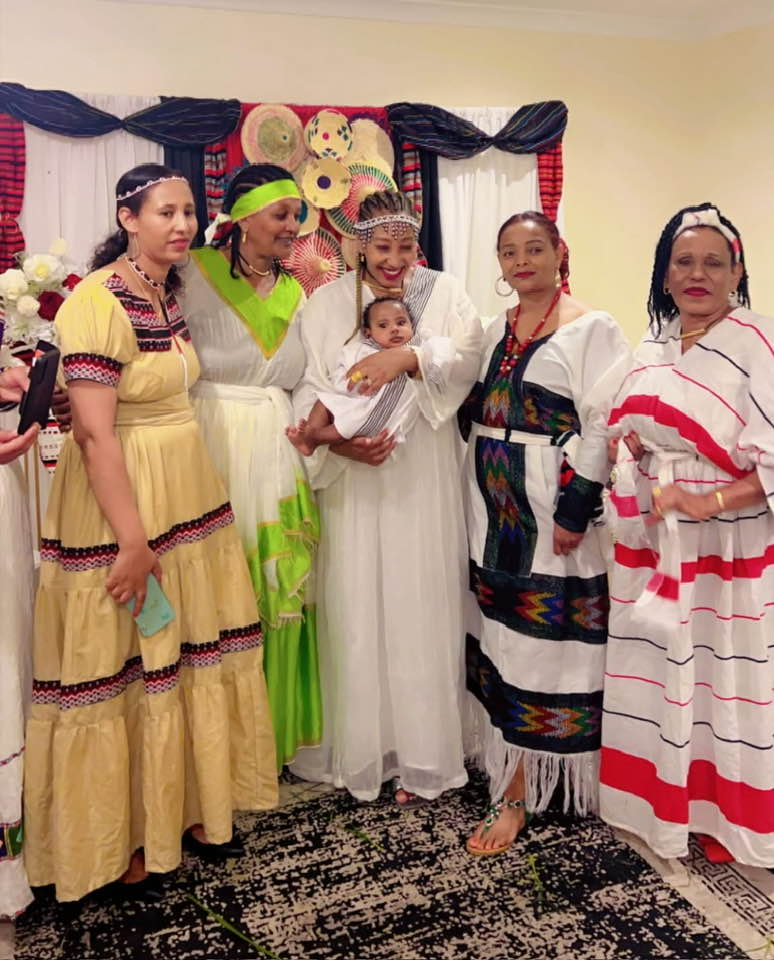
The shanan tradition, observed on the fifth day after a woman gives birth, is a beautiful and culturally significant practice among the Oromo people and other communities in Ethiopia. This tradition involves family, neighbors, and friends gathering to celebrate the mother, offer blessings, and provide her with marqaa (a traditional nutritious food). The shanan ceremony not only strengthens the mother physically and emotionally but also reinforces her social standing and respect within the community. Here’s an exploration of how this tradition benefits the mother and strengthens societal bonds:
Cultural Significance of Shanan
- Celebration of Motherhood:
- The shanan ceremony is a celebration of the mother’s strength and resilience in childbirth. It acknowledges the physical and emotional challenges she has endured and honors her role in bringing new life into the world.
- This celebration helps the mother feel valued and respected, boosting her morale and confidence.
- Community Support:
- The gathering of family, neighbors, and friends demonstrates the community’s collective support for the mother. It reinforces the idea that childbirth is not just an individual experience but a communal event.
- This support system is crucial for the mother’s well-being, as it provides her with emotional comfort and practical assistance.
- Nutritional Care with Marqaa:
- Marqaa, a traditional Oromo food made from barley or other grains, is prepared and served to the mother during the shanan ceremony. This nutritious food helps her regain strength and recover from the physical toll of childbirth.
- The preparation and sharing of marqaa symbolize the community’s care and concern for the mother’s health.
How Shanan Strengthens the Mother
- Physical Recovery:
- The nutritious marqaa food provides essential nutrients that aid the mother’s recovery, helping her regain energy and strength after childbirth.
- The communal focus on her well-being ensures that she receives the care and attention she needs during this critical period.
- Emotional Support:
- The presence of loved ones and the blessings offered during the shanan ceremony provide emotional comfort to the mother. This support helps alleviate feelings of isolation or postpartum stress.
- The mother feels loved and appreciated, which contributes to her mental and emotional well-being.
- Encouragement and Motivation:
- The words of encouragement and blessings from elders and community members inspire the mother to embrace her new role with confidence and resilience.
- This encouragement helps her endure the challenges of motherhood and strengthens her resolve to care for her child.
How Shanan Increases the Mother’s Respect in Society
- Recognition of Her Role:
- The shanan ceremony publicly acknowledges the mother’s vital role in the family and community. It highlights her strength, sacrifice, and contribution to the continuity of the community.
- This recognition elevates her status and earns her respect from others.
- Cultural Validation:
- By participating in the shanan tradition, the mother is validated as an integral part of her cultural heritage. This connection to tradition enhances her sense of identity and belonging.
- The ceremony reinforces the cultural values of motherhood, family, and community, which are deeply respected in Oromo society.
- Strengthening Social Bonds:
- The gathering of family and friends during shanan strengthens social bonds and fosters a sense of unity within the community.
- The mother’s role as a central figure in this celebration further solidifies her importance and respect within the social fabric.
- Intergenerational Connection:
- The shanan ceremony often involves elders who share wisdom, blessings, and traditional knowledge with the mother. This intergenerational connection reinforces cultural continuity and respect for elders.
- The mother, in turn, becomes a link between generations, further enhancing her respected position in society.
Broader Implications of Shanan
- Preservation of Cultural Heritage:
- The shanan tradition is an important part of Oromo cultural heritage. By continuing this practice, the community preserves its traditions and passes them on to future generations.
- This cultural preservation strengthens the community’s identity and resilience.
- Promoting Maternal Health:
- The focus on the mother’s well-being during shanan highlights the importance of maternal health and postpartum care. This traditional practice aligns with modern efforts to improve maternal and child health outcomes.
- The communal support system ensures that the mother receives the care she needs during the postpartum period.
- Empowerment of Women:
- The shanan ceremony empowers women by celebrating their strength and resilience in childbirth. It reinforces the idea that motherhood is a respected and honored role in society.
- This empowerment contributes to the overall well-being and confidence of women in the community.
Conclusion
The shanan tradition is a powerful and meaningful practice that strengthens the mother physically, emotionally, and socially. By celebrating her strength, providing nutritious food, and offering communal support, the shanan ceremony enhances the mother’s well-being and increases her respect in society. This tradition also reinforces cultural values, strengthens social bonds, and promotes maternal health, making it an essential part of Oromo heritage. As communities continue to practice and honor shanan, they ensure the preservation of their cultural identity and the empowerment of women in their society.

Posted on February 16, 2025, in Uncategorized. Bookmark the permalink. Leave a comment.




 Advocacy for Oromia
Leave a comment
Comments 0