Understanding Shanan Day in Oromo Culture
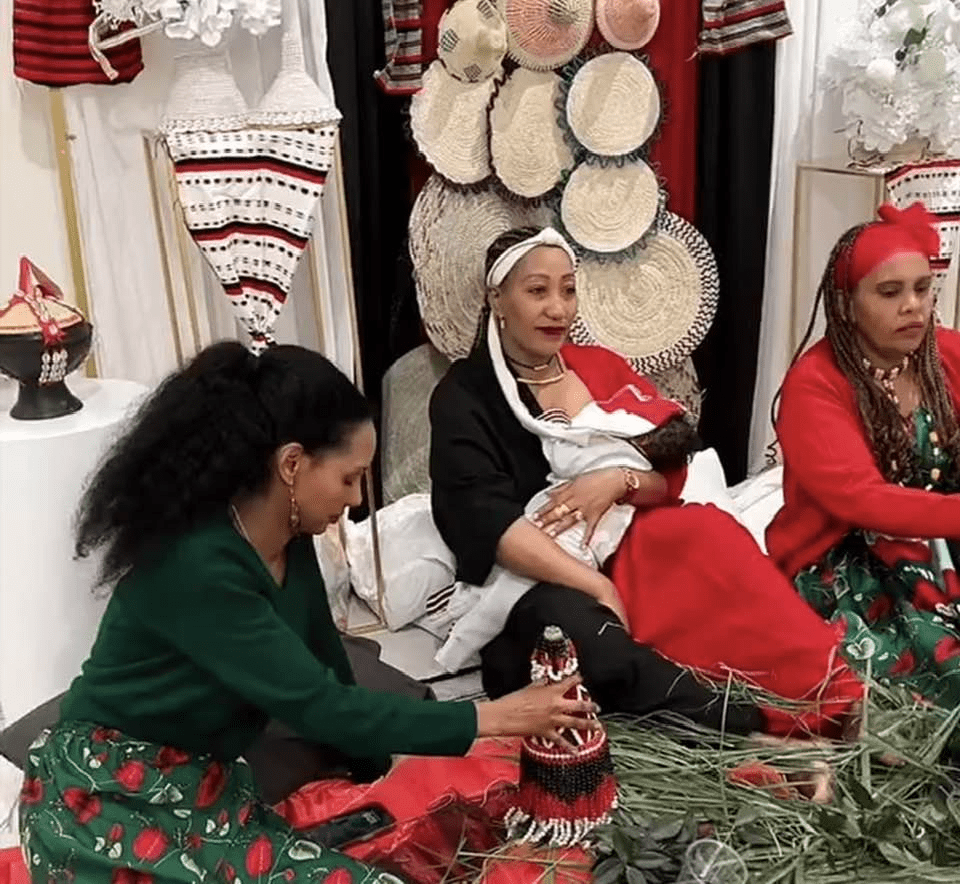
In Oromo culture, the **shanan day** (the fifth day after childbirth) is a deeply respected and cherished tradition. This day holds significant cultural, social, and emotional importance for the mother, the newborn, the family, and the community. It is a time of celebration, healing, and bonding, rooted in the values of care, support, and communal love.

Significance of the Shanan Day in Oromo Culture:

1. Celebration of New Life:
   - The shanan day marks the arrival of a new life into the family and the community. It is a time to celebrate the miracle of birth and the continuation of the family lineage.
   - The newborn is welcomed with blessings, prayers, and rituals that reflect the community's hopes for the child's future.

2. Family Blessings and Support:
   - On this day, the mother and child receive blessings from elders, family members, and the community. These blessings are believed to bring protection, health, and prosperity to the newborn.
   - Relatives and friends gather to show their love and support, reinforcing the communal bonds that are central to Oromo culture.

3. Healing and Recovery:
   - The shanan day is also a time for the mother to recover from the physical and emotional challenges of childbirth. The community's support during this period is crucial for her well-being.
   - Traditional practices, such as special meals, herbal remedies, and rest, are often provided to help the mother regain her strength.

4. Role of Midwives:
   - Midwives play a vital role during the shanan day and the entire childbirth process. Their knowledge and skills are highly valued, and they are often honored during the celebrations.
   - The shanan day serves as both a **prevention** and **intervention** measure, as midwives ensure the mother and child are healthy and provide guidance on postpartum care.

5. Cultural Rituals and Traditions:
   - The shanan day is marked by various cultural rituals, such as the preparation of special foods, the sharing of gifts, and the performance of traditional songs and dances.
   - These rituals not only celebrate the newborn but also reinforce the cultural identity and continuity of the Oromo people.

6. Community Bonding:
   - The shanan day brings the community together, fostering a sense of unity and shared responsibility. It is a reminder that the well-being of the mother and child is a collective concern.
   - The love and sympathy shown by relatives and friends during this time strengthen social ties and create a supportive environment for the family.

Benefits of the Shanan Day:

- For the Mother: The shanan day provides emotional and physical support, helping her recover from childbirth and adjust to her new role as a parent.
- For the Newborn: The blessings and rituals performed on this day are believed to ensure the child's health, happiness, and prosperity.
- For the Community: The celebration reinforces cultural values, promotes unity, and highlights the importance of collective care and responsibility.
- For Midwives: The shanan day recognizes their essential role in childbirth and postpartum care, ensuring their knowledge and skills are respected and preserved.

Conclusion:
The **shanan day** is a beautiful and meaningful tradition in Oromo culture, reflecting the community's deep respect for life, family, and communal support. It is a time to celebrate new beginnings, honor the sacrifices of mothers, and strengthen the bonds that hold the community together. By preserving and cherishing this tradition, the Oromo people continue to pass down their values and wisdom to future generations. **Fayyaa fi nagaa!** (Health and peace!)

Posted on February 18, 2025, in Uncategorized. Bookmark the permalink. Leave a comment.




 Advocacy for Oromia
Leave a comment
Comments 0