Oromo Assembly: Path to Peace and Stability
Joint Assembly Discussion Agreement
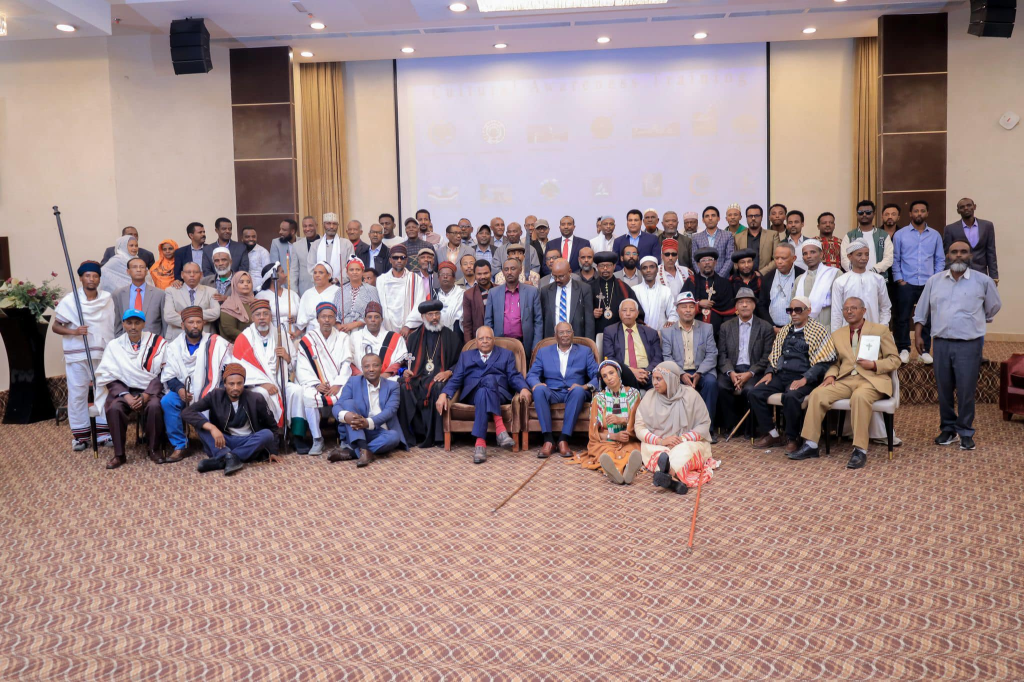
A delegation of various Oromo community organizations, the Oromo Liberation Front (OLF), and the Oromo Federalist Congress (OFC) held an extensive four-day discussion at Ilili Hotel from February 19 to February 22, 2025.
The purpose of the discussion was to seek solutions for the ongoing political and military crises in Oromia and the challenges affecting the livelihood of the Oromo people.
During these discussions, we thoroughly analyzed the dire situation in Oromia, where human lives are being lost daily, people are struggling to make a living, and the community is facing severe instability, leaving them uncertain about their future.
To ensure lasting peace and stability for the Oromo people, we have reached the following agreements:
1. On Establishing and Maintaining Peace
a. The delegation of various Oromo community organizations participating in this meeting recognized that the Oromo people have been deprived of justice and freedom since the fall under the Nafxanya system. Consequently, they have continued to live in instability and conflict. We agreed that for sustainable peace and stability, the justice and freedom of the Oromo people must be fully restored.
To achieve this, the OLF and OFC have taken responsibility for doing everything within their capacity to ensure the cessation of war in Oromia and the establishment of lasting peace.
b. The delegation acknowledged the necessity of providing a fundamental political and administrative solution to Oromia’s crisis.
To this end, the OLF and OFC are entrusted with ensuring that, until the Oromo people democratically elect their own government, an Interim Transitional Government of Oromia is established. This government should include all relevant political parties and stakeholders and should be capable of delivering essential public services.
c. Recognizing the significant role of the Oromo Liberation Army (OLA) in securing peace in Oromia, the OLF and OFC have taken responsibility for integrating the OLA into the political and administrative framework of the Interim Transitional Government of Oromia. This ensures that the army will be accountable for maintaining law and order, as well as protecting Oromia’s territorial integrity.
2. Resolving the Issues of Addis Ababa (Finfinnee) and Oromia’s Borders
a. The delegation unanimously recognized that Addis Ababa (Finfinnee) historically and legally belongs to the Oromo people and is the capital city of Oromia. Thus, the OLF and OFC have committed to ensuring that the city is officially administered by the Oromia government.
b. Acknowledging that several Oromo territories, including Wallo, Dire Dawa, Matakkal, Moyale, and Madda Walabu, have been forcibly separated from Oromia due to various administrative decisions, the OLF and OFC have taken responsibility for reclaiming these territories in accordance with international and national legal frameworks.
3. Strengthening Oromo Unity and Institutional Development
a. The delegation recognized the Gadaa/Siinqee system as the foundation of Oromo unity and governance in political, economic, social, and cultural aspects. The OLF and OFC have been entrusted with thoroughly studying and revitalizing the Gadaa system to align it with contemporary realities, ensuring that it becomes the governing system for the Oromo people.
4. Rights of Non-Oromo Nations and Nationalities in Oromia
a. Understanding that the Gadaa system historically provided a framework for peaceful coexistence among different communities, the OLF and OFC have committed to ensuring that all ethnic groups residing in Oromia can live without fear and that their rights are fully protected.
5. Relations Between the Oromia Government and the Federal Government
a. The delegation acknowledged the lack of rule of law within the Federal Government, the underrepresentation of Oromos in federal institutions despite their population size and contributions, and the absence of autonomy in federal institutions such as the judiciary, federal police, and defense forces.
The OLF and OFC have committed to addressing these issues and ensuring that the Oromo people’s rights and interests are respected at the federal level. Participants in the Joint Assembly The following Oromo organizations and traditional institutions participated in the discussions:
1. Council of Oromia’s Gadaa Leaders
2. Macca and Tulama Association
3. Irkoo 1976 (Traditional Council of Elders)
4. Yaa’ii Ganyaa Harooreessaa (Siinqee Women’s Council)
5. Council of Abbaa Dhugaa (Abbaa Muudaa/Ayyaantuu Institution)
6. Wayyooma Anaajinaa (Dirree Sheek Huseen Council)
7. Wayyooma Soof Umar (Judiciary Council)
8. Nagummaa Dambii (Sayidii Alfaqii Religious Council)
9. Oromia National Elders Council
10. Academia and University Scholars Council
11. Teessoo Magarsaa Badhaasaa (Oromia Synod Council – Pheexiroos Seat)
12. Makaana Yesus Church Council of Ethiopia
13. Dhugeeffannaa Uumaa (Waaqeffannaa Faith Organization)
14. Yuba 1st Council (Human and Civil Rights Advocacy Group)
15. Waahilan Waltajjii (Yuba 4th Council)
16. Yaa’aa Haaromsa Finfinnee (Addis Ababa Oromo Community Council) Final Commitment
The OLF and OFC have been entrusted with implementing the agreements reached in this assembly. The Oromo community representatives at this meeting have pledged to provide full support for the realization of these resolutions.
Signed by:
Delegation of Oromo Community Organizations & Oromo Political Organizations (OLF & OFC) February 22, 2025 – Finfinnee (Addis Ababa)

Posted on February 22, 2025, in Uncategorized. Bookmark the permalink. Leave a comment.




 Advocacy for Oromia
Leave a comment
Comments 0