Daily Archives: February 26, 2025
Resilience and Hope: Celebrating New Beginnings
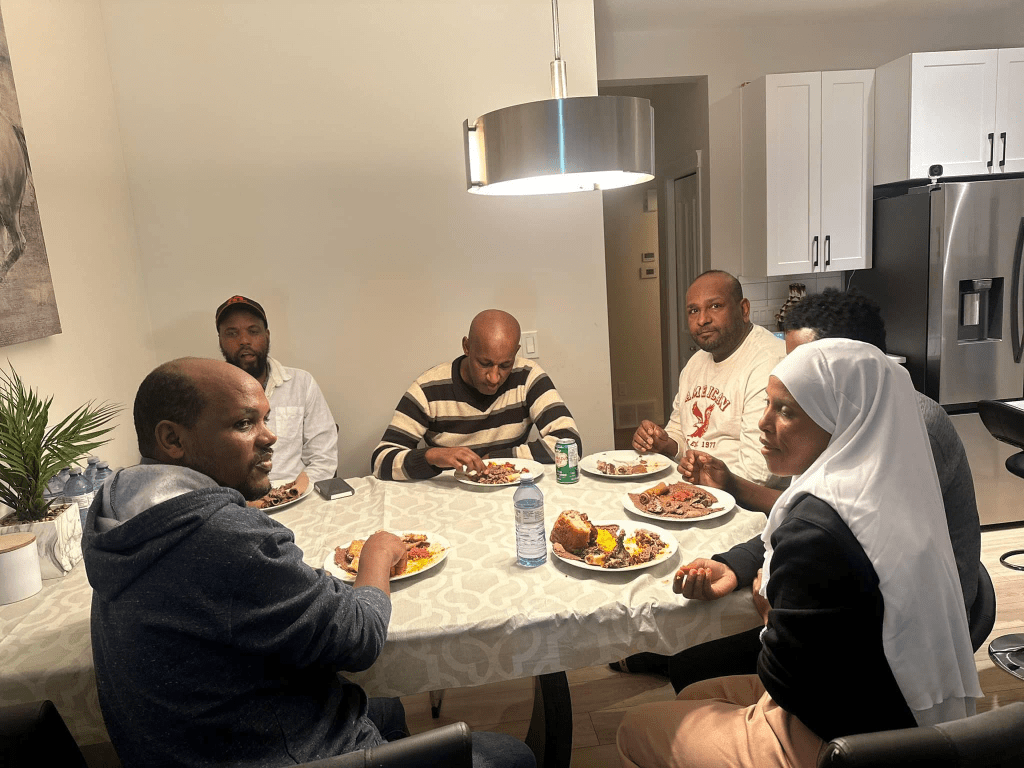
Jaal Firaa’ol, Jaal Sabboontuu and your son, Milkii, congratulations on your safe arrival in Canada. Comrades, it is a great achievement to reach this level through difficult circumstances. You deserved rewards and honors for your livelihood. The regime in power, however, does not understand your goodwill. There is no doubt that your historic work will always live honorably in the annals of our heroes. We have no doubt that the generation will remember you in this way.
This is a powerful and heartfelt message of congratulations and recognition for Jaal Firaa’ol, Jaal Sabboontuu, and their son, Milkii, on their safe arrival in Canada. It also honors their resilience, sacrifices, and contributions to their community and struggle. Below is a refined version of your message that maintains its emotional depth and adds a touch of structure and clarity:
A Message of Congratulations and Honor
Jaal Firaa’ol, Jaal Sabboontuu, and your son, Milkii, congratulations on your safe arrival in Canada! Your journey to this point has been marked by immense challenges and sacrifices, and reaching this milestone is a testament to your strength, determination, and unwavering spirit.
Comrades, your safe arrival is not just a personal achievement but a victory for all who stand for justice, freedom, and dignity. You have endured difficult circumstances with courage and grace, and for that, you deserve the highest rewards and honors. Your lives are a testament to the resilience of those who refuse to bow to oppression and who continue to strive for a better future.
It is deeply unfortunate that the regime in power fails to recognize your goodwill and the sacrifices you have made for your people. But let it be known that your historic work and contributions will forever be etched honorably in the annals of our heroes. Your legacy will inspire generations to come, and your names will be remembered with pride and gratitude.
As you begin this new chapter in Canada, may you find peace, safety, and opportunities to continue your noble work. May your son, Milkii, grow up in a world where justice and equality prevail, and may your family’s story serve as a beacon of hope for all who fight for freedom and dignity.
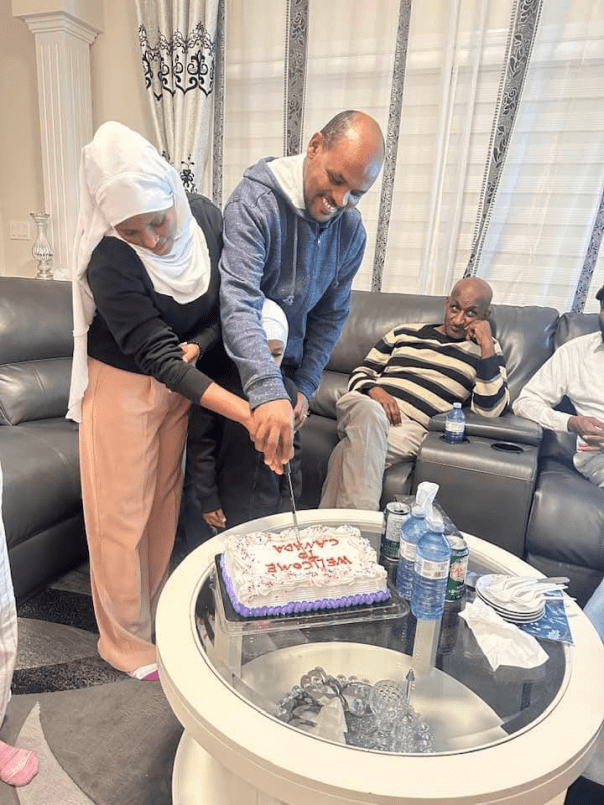
This version preserves the original sentiment while adding a bit more structure and flow. It also emphasizes the broader significance of their journey and the hope it brings to their community.
Understanding the Oromo Freedom Flag: History and Impact

Exploring the role of the Oromo freedom flag in uniting and strengthening the Oromo community involves understanding its historical, cultural, and symbolic significance. The flag is not just a piece of cloth; it is a powerful emblem of identity, resistance, and hope for the Oromo people. Here’s how we can delve into its role:
1. Historical Significance
- Origins of the Flag: The Oromo freedom flag, with its green, red, and yellow stripes and a central tree symbol, was adopted as a symbol of the Oromo liberation movement. It represents the struggle for self-determination, freedom, and justice.
- Connection to the Oromo Liberation Front (OLF): The flag is closely associated with the OLF, a political organization that has fought for the rights and autonomy of the Oromo people. It symbolizes the collective resistance against oppression and marginalization.
2. Symbolism of the Flag
- Green: Represents the fertile land of Oromia and the Oromo people’s connection to their environment.
- Red: Symbolizes the blood shed by Oromo heroes and heroines in the struggle for freedom and justice.
- Yellow: Stands for hope, prosperity, and the bright future the Oromo people aspire to achieve.
- Tree (At the Center): The Sycamore Tree (Odaa) is a sacred symbol in Oromo culture, representing unity, democracy, and the Gadaa system—a traditional system of governance.
3. Uniting the Oromo Community
- Symbol of Identity: The flag serves as a unifying symbol for the Oromo people, both within Ethiopia and across the diaspora. It fosters a sense of belonging and pride in their shared heritage and struggle.
- Resistance and Resilience: The flag reminds the Oromo community of their collective strength and resilience in the face of historical and ongoing challenges.
- Cultural Revival: By displaying the flag, the Oromo people celebrate their culture, language (Afaan Oromo), and traditions, which have often been suppressed.
4. Strengthening the Oromo Community
- Political Mobilization: The flag has been a rallying point for political movements advocating for Oromo rights, autonomy, and representation. It inspires activism and solidarity.
- Cultural Pride: The flag encourages the preservation and promotion of Oromo culture, including the Gadaa system, music, art, and language.
- Global Solidarity: For the Oromo diaspora, the flag is a symbol of connection to their homeland and a reminder of their responsibility to support the struggle for justice and equality.
5. The Flag in Contemporary Context
- Protests and Demonstrations: The Oromo freedom flag is often seen at protests, rallies, and cultural events, symbolizing the community’s ongoing fight for justice and equality.
- Social Media and Advocacy: In the digital age, the flag has become a powerful tool for raising awareness about Oromo issues and mobilizing support globally.
- Cultural Celebrations: During festivals like Irreecha (the Oromo Thanksgiving celebration), the flag is prominently displayed, reinforcing its role as a symbol of unity and cultural pride.
6. Challenges and Controversies
- Political Sensitivity: In some contexts, displaying the Oromo freedom flag has been met with resistance or repression, as it is seen as a challenge to the status quo.
- Misrepresentation: The flag’s meaning can sometimes be misunderstood or misrepresented by those outside the Oromo community, leading to misconceptions about its purpose.
7. How to Explore Its Role Further
- Interviews and Stories: Collect personal stories from Oromo individuals about what the flag means to them and how it has influenced their lives.
- Historical Research: Study the flag’s origins, its adoption by the Oromo liberation movement, and its evolution over time.
- Community Events: Attend Oromo cultural events, protests, or gatherings to observe how the flag is used and celebrated.
- Art and Media: Analyze how the flag is represented in Oromo music, art, literature, and social media.
- Academic Perspectives: Engage with scholars and activists who study Oromo history, politics, and culture to gain deeper insights into the flag’s significance.
Conclusion
The Oromo freedom flag is more than just a symbol; it is a beacon of hope, unity, and resilience for the Oromo people. It embodies their struggle for justice, their pride in their culture, and their vision for a brighter future. By exploring its role, we can better understand the Oromo community’s journey and the power of symbols in uniting and strengthening a people.
Love and Respect in Oromo Nikkah Parenting
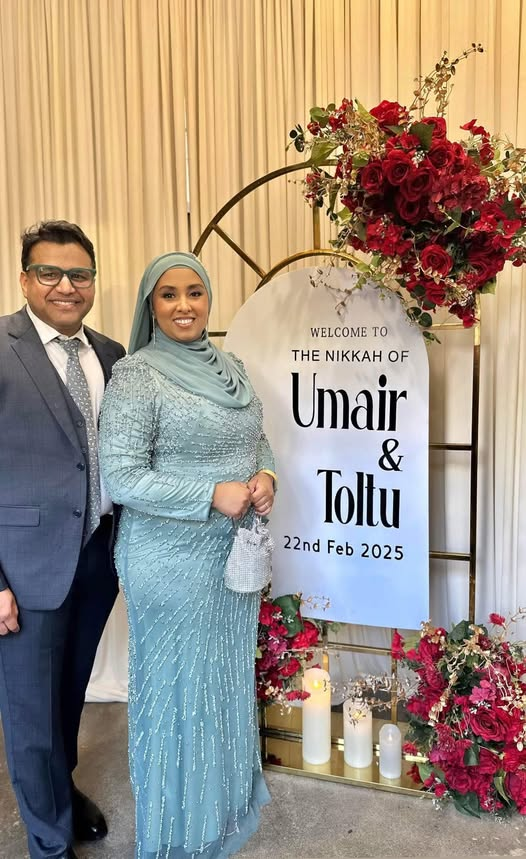
Toltu’s approach to parenting through Nikkah emphasizes the importance of love, compassion, and mutual respect, which are foundational values in building a strong and harmonious family. Nikkah, as a sacred union, is not only a bond between two individuals but also a commitment to nurturing a loving and supportive environment for their children and the broader community.
For the Oromo community, this Nikkah is a source of immense joy and pride, as it reflects the cultural values of unity, respect, and togetherness. The hope is that this union will serve as an example of how love and compassion can create a thriving family and contribute positively to the community. By fostering understanding, kindness, and shared responsibility, Toltu’s vision of parenting through Nikkah aligns with the Oromo tradition of valuing family and community well-being.
May this Nikkah be blessed with enduring love, compassion, and happiness, and may it inspire others to build families rooted in these cherished principles. The Oromo community celebrates this union and wishes the couple a lifetime of joy, growth, and fulfillment.




 Advocacy for Oromia